







Let’s be real for a minute: The fashion industry is exhausted. For decades, we’ve been fed a diet of highly edited runway perfection and plastic fast-fashion micro-trends that last exactly three weeks. The result? Our closets are full, the planet is tired, and we feel increasingly disconnected from what we’re wearing. The good news is that fashion is hitting a massive reset button. The trends making the biggest waves in 2026 aren’t coming from corporate boardrooms; they are exploding from the streets, from vintage archives, and from creators who demand more meaning in their clothes. We are moving beyond simple ‘looks’ and into movements. If you’re ready to evolve your style beyond the next seasonal drop, here is the unfiltered reality of what is trending and why you need to pay attention. 1. The Authentic Crowd: Why Street Style Won the War Against the Runway The era of the untouchable supermodel on a secluded catwalk is not over, but its influence is fading. The most powerful lookbooks of 2026 are found on the sidewalks outside of fashion weeks, not on the stage. Why? Because authenticity resonates. We are obsessed with how real people are styling real pieces in real environments (just look at our blog banner, capturing the energy of a fashion crowd, image_2.png). This movement isn’t about wearing a single designer from head to toe; it’s about the art of mixing. Key Takeaway: Stop striving for ‘perfection.’ Find inspiration in how your favorite local barista or that effortlessly cool person in your feed layers their clothes. Authenticity is the ultimate accessory. 2. Upcycling: The Anti-Fast-Fashion Movement That is Actually Cool Sustainability is no longer just a marketing buzzword; it has become the core of the coolest subcultures in fashion. The “Upcycling” movement is the definitive answer to fast-fashion fatigue. Upcycling isn’t about looking homemade; it’s about giving a second (or third) life to existing materials in a way that is highly creative and unique. We’re talking about deconstructed denim jackets remade into tailored skirts, or old band t-shirts transformed into corset tops. 3. Tech-Fused Textures: The Intersection of Performance and Craft While one half of the trend cycle is looking backward, the other is sprinting toward the future. The fusion of textile technology and traditional craftsmanship is creating entirely new aesthetics. This isn’t about ‘smart watches.’ This is about fabrics. We are seeing temperature-regulating materials that breathe like cotton but offer waterproof protection, and 3D-printed textures that add sculptural dimensions to basic silhouettes. The Reality Check (Conclusion) The underlying thread connecting all these trends—whether it’s the authentic chaos of the street crowd, the creativity of upcycling, or advanced fabric tech—is consciousness. We are demanding more from our clothes than just a color palette. We want to know who made them, what they are made of, and why they matter. Stop asking if a trend is ‘in.’ Instead, ask: Does it fit my values? Does it feel authentic to me? If the answer is yes, that’s the only approval you need. Welcome to the new era of unedited style. What fashion movement are you currently exploring? Are you diving into upcycling, or are you mastering the street-style mix? Let’s get the conversation started below—unfiltered, of course.



Fashion

How Pravida Is Transforming Idle Land into Thriving Forests
When we think about combating climate change and protecting the environment, the task often feels overwhelming. We hear about rising global temperatures, deforestation, and the loss of biodiversity, and we wonder: Can a single person really make a difference? The answer is a resounding yes. Environmental restoration does not always require massive government budgets or complex tech infrastructure. Sometimes, it starts with a piece of idle land, a vision for sustainable growth, and a commitment to nurturing nature. This is the philosophy behind Pravida, a sustainability initiative dedicated to regenerating land, restoring ecosystems, and proving that long-term ecological impact begins with simple, intentional choices. The Challenge of Unused and Degraded Land Across India, thousands of hectares of land lie unused, degraded, or abandoned. Years of deforestation, poor agricultural practices, and soil erosion have left vast stretches of soil infertile and unable to support plant life. When land becomes barren, it triggers a chain reaction: Pravida addresses these exact challenges by turning idle spaces into green, productive ecosystems. What Is Pravida? Pravida is an environmental sustainability platform focused on permaculture, agroforestry, and land restoration. Its core mission is to convert unused land into self-sustaining forests and agricultural systems that benefit both the planet and local communities. Instead of relying on short-term tree-planting drives where saplings are planted and forgotten, Pravida builds structured, long-term ecosystems. By combining scientific land design with community involvement, they ensure that every tree planted grows to its full potential. How Pravida’s Model Works Pravida’s approach to land regeneration is built on three key pillars: 1. Sustainable Agroforestry & Permaculture Agroforestry blends trees and shrubs with agricultural crops. Unlike traditional single-crop farming (which drains soil nutrients), permaculture creates balanced systems where different plants support one another naturally. Pravida designs custom land plans incorporating rainwater harvesting, native plant selection, and organic soil enrichment. 2. Innovative Landowner Partnerships Many landowners have property they cannot manage or cultivate due to lack of time, resources, or expertise. Pravida works with landowners through long-term leasing and development models, transforming idle plots into thriving green zones while generating sustainable economic value. 3. Community and Educational Engagement Real environmental change happens when communities get involved. Pravida collaborates with schools, universities, volunteers, and local groups to build awareness around forest restoration, tree care, and sustainable land management. The “One Seed Movement” One of Pravida’s most inspiring initiatives is the One Seed Movement. The idea is simple yet powerful: Each One, One Seed. Instead of viewing reforestation as something left to large organizations, the movement encourages individuals, students, and families to take personal ownership of planting. When hundreds of individuals plant and nurture a single seed, those individual efforts collectively grow into dense, biodiverse forests that last for generations. Why Permaculture and Agroforestry Matter Today As conventional farming methods put pressure on soil health and water supplies, sustainable land restoration models offer clear benefits: Final Thoughts: Planting for the Future The best time to plant a tree was twenty years ago; the second best time is today.

How to Style Statement Pieces
Statement pieces are a fantastic way to express personality and elevate your outfit. Whether it’s a bold necklace, a vibrant handbag, or a standout jacket, knowing how to style these items can make all the difference between a balanced look and an overwhelming ensemble. Here are some tips on how to incorporate statement pieces into your wardrobe effortlessly. 1. Let the Statement Piece Shine When wearing a statement piece, let it be the focal point of your outfit. Keep the rest of your look simple and understated. For example, if you’re rocking a bold blazer, pair it with neutral-toned clothing to allow the piece to stand out without competition. 2. Balance Bold with Basics Statement pieces work best when complemented with classic, neutral staples. A patterned or oversized accessory pairs well with minimalist pieces like a white button-down shirt, solid-coloured dresses, or denim. This ensures that your statement piece remains the highlight. 3. Choose One Statement Piece at a Time Avoid overwhelming your look by limiting yourself to one standout item per outfit. If you’re wearing bold earrings, consider skipping a chunky necklace. Similarly, if your shoes are eye-catching, keep the rest of your outfit more subdued. 4. Mix Textures and Colours Thoughtfully If your statement piece is colorful, ensure the rest of your outfit features complementary or neutral tones. Mixing textures can also create an interesting contrast—for instance, pairing a structured leather jacket with soft, flowy fabrics can add dimension without clashing. 5. Use Accessories Strategically Accessories like belts, handbags, and shoes can serve as subtle yet effective statement pieces. A pop of color in your shoes or a metallic clutch can instantly elevate an otherwise simple outfit. 6. Keep Proportions in Mind If your statement piece is oversized or voluminous, balance it with well-fitted clothing. For example, a dramatic, ruffled blouse pairs well with slim-fit trousers or a fitted skirt to keep your look polished and structured. 7. Confidence is Key The best way to pull off a statement piece is with confidence. Wear what makes you feel good, and own your look. If you feel comfortable and self-assured, your outfit will naturally look more put together and stylish. Final Thoughts Statement pieces are a great way to add flair and uniqueness to your wardrobe. By keeping the rest of your outfit simple, balancing proportions, and choosing one standout item at a time, you can create a chic and fashionable look effortlessly. So go ahead—embrace bold fashion choices and make a statement with style!

The Importance of Fit: Tailoring Tips for Every Body
Finding the perfect fit is one of the most essential aspects of great style. No matter how trendy or expensive a piece of clothing is, if it doesn’t fit well, it won’t look flattering. Tailoring can make a world of difference by enhancing your silhouette and boosting your confidence. Here are some key tailoring tips for every body type to ensure your wardrobe looks and feels just right. 1. Understand Your Body Shape Before tailoring your clothes, it’s important to know your body shape. Whether you have an hourglass, pear, apple, or rectangle shape, understanding your proportions helps in selecting and altering clothes that highlight your best features. 2. Invest in a Good Tailor A skilled tailor can transform an ordinary outfit into a perfectly fitted masterpiece. Find a reputable tailor who understands your personal style and can make necessary adjustments to improve the overall fit of your garments. 3. Prioritize the Right Alterations Not all alterations are necessary, but some can significantly enhance the way your clothes fit: 4. Fit Matters More Than Size Clothing sizes can vary greatly between brands. Instead of focusing solely on the number on the label, prioritize fit. If something is slightly too big, tailoring can make it perfect for your body shape. 5. Consider Proportions Ensure that clothes are balanced with your body proportions. For example, if you’re petite, cropped jackets and fitted clothing can elongate your figure. If you’re tall, ensure that sleeves and hems are long enough to maintain a well-proportioned look. 6. Use Belts and Cinching for Definition Belts and tailoring techniques such as darting can help define the waistline, giving more structure to dresses, blazers, and coats. This is especially helpful for creating a more polished and flattering shape. 7. Don’t Forget About Comfort A great fit isn’t just about aesthetics; it should also be comfortable. Ensure that alterations allow for ease of movement and don’t feel restrictive, especially in areas like the shoulders, hips, and waist. Final Thoughts Perfectly tailored clothing can elevate your style, improve your confidence, and make your wardrobe feel more personalized. By understanding your body, choosing the right tailor, and focusing on key alterations, you can ensure every piece in your closet fits flawlessly. Invest in good tailoring, and you’ll always look and feel your best!

How to Transition Your Wardrobe from Day to Night
Balancing a busy schedule often means finding ways to seamlessly transition from a daytime look to a night-out ensemble without a complete outfit change. With the right styling tips, you can effortlessly elevate your wardrobe from professional to chic. Here’s how to master the day-to-night transformation with ease. 1. Start with a Versatile Base Outfit Choosing a foundational outfit that works for both day and night is key. A classic dress, tailored jumpsuit, or a stylish blouse paired with well-fitted trousers can serve as the perfect base for easy transitions. 2. Layer Smartly During the day, layering adds a polished touch. A blazer, cardigan, or structured jacket can make your outfit office-appropriate. As evening approaches, simply remove the outer layer to reveal a more relaxed and stylish look. 3. Swap Accessories Accessories can instantly transform your look. For the office, opt for minimal jewellery and a structured handbag. For the evening, switch to bold statement pieces, such as chandelier earrings, a sleek clutch, or a stack of bangles. 4. Elevate Your Shoes Shoes make a significant impact on your overall outfit. Swap out comfortable flats or loafers for a pair of heels or stylish ankle boots to add a touch of elegance to your evening look. 5. Refresh Your Makeup A quick makeup touch-up can make a world of difference. Apply a bold lipstick, add a bit of shimmer to your eyes, or intensify your eyeliner to create a more dramatic and evening-appropriate appearance. 6. Adjust Your Hairstyle Changing your hairstyle is another way to shift your look from day to night. If you wore your hair in a ponytail or bun during the day, let it down and add waves or volume for a softer, more glamorous feel. 7. Play with Statement Pieces Incorporate statement clothing items like a leather jacket, a sequined top, or a silk scarf to add flair to your evening look. These small changes can make a significant difference without requiring a full outfit change. 8. Carry a Compact Essentials Kit Having a small bag with essentials like red lipstick, perfume, statement jewelry, and a mini hairbrush can help you freshen up quickly before heading out for the night. Final Thoughts Transitioning your wardrobe from day to night is all about strategic swaps and minimal effort. By choosing versatile pieces, layering wisely, and enhancing your accessories, shoes, and makeup, you can create a seamless and stylish transformation that keeps you looking fabulous all day long.

The Power of Colour: Elevate Your Wardrobe with Confidence
Colour is a fundamental aspect of fashion, capable of influencing mood, making a bold statement, and enhancing personal style. By understanding how to use colour effectively, you can curate a wardrobe that reflects your personality and boosts your confidence. Here’s how to make colour work for you. 1. The Psychology of Colour Colour evoke emotions and communicate different messages. Here’s what various shades represent: 2. Building a Balanced Colour Palette To create a cohesive and versatile wardrobe, structure your color choices around these categories: 3. Mastering Colour Combinations Pairing colours effectively creates visually appealing outfits. Consider these techniques: 4. Selecting Colours That Flatter Your Skin Tone 5. Making a Statement with Colour Final Thoughts Incorporating colour into your wardrobe allows you to express yourself and refine your style. Whether you prefer bold statements or subtle hues, mastering colour combinations can help you create effortlessly stylish outfits.

The History of Iconic Fashion Brands
Fashion is more than just clothing; it is a reflection of culture, history, and innovation. Throughout the years, several fashion brands have left an indelible mark on the industry, shaping trends and defining style for generations. Here’s a look at the history of some of the most iconic fashion brands in the world. 1. Chanel: The Legacy of Elegance Founded by Gabrielle “Coco” Chanel in 1910, Chanel revolutionized women’s fashion by introducing comfortable yet sophisticated designs. The brand is best known for the Chanel No. 5 perfume, the timeless little black dress, and the iconic Chanel suit. Coco Chanel’s philosophy of effortless elegance continues to influence fashion today. 2. Louis Vuitton: The Pinnacle of Luxury Established in 1854 by Louis Vuitton, this brand initially specialized in luxury trunks and travel accessories. Over the years, it evolved into a global fashion powerhouse, known for its monogrammed handbags, high-end leather goods, and ready-to-wear collections. Today, Louis Vuitton remains synonymous with luxury and exclusivity. 3. Gucci: Italian Craftsmanship and Bold Innovation Gucci was founded in 1921 by Guccio Gucci in Florence, Italy. Initially known for its high-quality leather goods, the brand gained worldwide recognition for its bold designs and luxurious appeal. Under the creative direction of Alessandro Michele, Gucci has redefined modern fashion with a mix of vintage inspiration and contemporary aesthetics. 4. Prada: Redefining Modern Luxury Prada, established in 1913 by Mario Prada, started as a leather goods shop in Milan. The brand became a symbol of understated luxury in the 1980s under the leadership of Miuccia Prada. With its sleek, minimalist designs and innovative materials, Prada continues to push the boundaries of fashion. 5. Versace: Glamour and Extravagance Founded by Gianni Versace in 1978, Versace quickly became synonymous with bold prints, vibrant colours, and daring designs. The brand is famous for its Medusa logo and its ability to blend luxury with pop culture. After Gianni Versace’s tragic death in 1997, his sister Donatella Versace took over and carried on his legacy. 6. Dior: The Art of Haute Couture Christian Dior established his eponymous brand in 1946, introducing the world to the “New Look,” a revolutionary silhouette that emphasized femininity and elegance. Dior remains one of the most prestigious haute couture houses, known for its exquisite craftsmanship and timeless designs. 7. Burberry: British Heritage and Innovation Founded in 1856 by Thomas Burberry, the brand is known for its signature trench coats and checked patterns. Initially designed as functional outerwear for British soldiers, Burberry evolved into a luxury fashion house, blending heritage with contemporary style. Final Thoughts These iconic fashion brands have not only shaped the industry but have also influenced culture and style across the world. Their legacies continue to inspire designers, fashion enthusiasts, and trendsetters globally. Whether through timeless elegance, bold innovation, or luxurious craftsmanship, these brands have cemented their place in fashion history.

How to Shop for Fashion Online
Online fashion shopping has revolutionized the way we find and purchase clothing, accessories, and footwear. With endless options at our fingertips, shopping online can be both exciting and overwhelming. To make the most of your online shopping experience, follow these essential tips to shop smartly and efficiently. 1. Know Your Measurements 2. Read Product Descriptions Carefully 3. Check Return and Exchange Policies 4. Look for Customer Reviews and Ratings 5. Compare Prices and Deals 6. Shop from Reputable Websites 7. Be Mindful of Trends vs. Timeless Pieces 8. Understand Shipping Costs and Timeframes 9. Save Your Favourite Items for Later 10. Stay Safe While Shopping Online Final Thoughts Online fashion shopping can be a seamless and enjoyable experience when done wisely. By following these tips, you can make informed purchases, get the best deals, and build a stylish wardrobe from the comfort of your home. Happy shopping!

The Best Fashion Documentaries to Watch
Fashion is more than just clothing—it’s an art form, a cultural statement, and a multi-billion-dollar industry. Whether you’re a fashion enthusiast, a budding designer, or someone who simply enjoys the behind-the-scenes magic of style, fashion documentaries provide an insightful and entertaining look into this dynamic world. Here are some of the best fashion documentaries you should watch. 1. The September Issue (2009) This documentary takes viewers inside the offices of Vogue magazine as legendary editor-in-chief Anna Wintour prepares the highly anticipated September issue. It provides an in-depth look at the creative process, industry pressures, and the power of fashion publishing. 2. Dior and I (2014) This intimate documentary follows designer Raff Simons as he creates his first haute couture collection for Christian Dior. The film beautifully captures the tension, artistry, and dedication required to bring high fashion to life. 3. McQueen (2018) A deeply emotional look at the life and work of visionary designer Alexander McQueen, this documentary explores his rise in the fashion world, his ground-breaking designs, and the personal struggles that shaped his creative genius. 4. Iris (2014) A celebration of fashion icon Iris Apfel, this documentary highlights her fearless sense of style, love for accessories, and how she continues to inspire generations with her unique fashion philosophy. 5. Valentino: The Last Emperor (2008) Chronicling the life of legendary designer Valentino Garavani, this film offers an inside look at his glamorous world, his artistic vision, and the evolution of his brand. 6. Franca: Chaos and Creation (2016) Directed by her son, this documentary explores the life and legacy of Franca Suzanne, the trailblazing editor of Vogue Italia. It delves into her controversial yet ground-breaking editorial choices that redefined fashion journalism. 7. Manolo: The Boy Who Made Shoes for Lizards (2017) For shoe lovers, this documentary follows the life of renowned footwear designer Manolo Blahnik, offering a glimpse into his creative process and the impact of his iconic designs. 8. House of Z (2017) This documentary tells the story of Zac Posen, from his rapid rise to fame as a young designer to the challenges of sustaining a brand in the ever-changing fashion industry. 9. Dries (2017) A rare look into the private world of Belgian designer Dries Van Noten, this film showcases his meticulous approach to fashion and the craftsmanship behind his collections. 10. Bill Cunningham New York (2010) A heart-warming tribute to the legendary street-style photographer Bill Cunningham, this documentary highlights his passion for capturing fashion on the streets of New York and his lasting influence on the industry. Final Thoughts These documentaries offer a fascinating window into the world of fashion, exploring creativity, business, and the people who shape the industry. Whether you’re looking for inspiration or a deeper understanding of fashion’s impact, these films are a must-watch.

How to Stay Stylish During Pregnancy: Fashion Tips for Moms-to-Be
Pregnancy is a beautiful journey, and there’s no reason why expecting moms can’t look stylish while embracing their changing bodies. With the right wardrobe choices, you can feel confident, comfortable, and chic throughout all three trimesters. Here’s how to maintain your style while accommodating your growing bump. 1. Prioritize Comfort Without Compromising Style Comfort is key during pregnancy, but that doesn’t mean you have to sacrifice style. Opt for soft, stretchable fabrics like cotton, jersey, and breathable knits that provide flexibility and movement. 2. Invest in Maternity Essentials Building a stylish maternity wardrobe starts with the basics. Invest in maternity leggings, stretchy jeans, flowy dresses, and versatile tops that can grow with you. Pieces with adjustable waistbands or ruching are particularly flattering. 3. Layer Smartly Layering allows you to stay stylish while adjusting to fluctuating body temperatures. Lightweight cardigans, longline vests, and open-front blazers can add dimension to your outfits without feeling restrictive. 4. Embrace Wrap Dresses and Empire Waistlines Wrap dresses and empire waistlines are perfect for highlighting your bump while maintaining a flattering silhouette. These styles offer comfort and elegance, making them great choices for both casual and formal occasions. 5. Opt for Stretchy and Adjustable Footwear Your feet may swell during pregnancy, so swap out tight heels for stylish flats, cushioned sneakers, or chic mules. If you still want a bit of height, opt for low-block heels or wedges for extra support. 6. Choose Versatile Pieces Invest in maternity pieces that can be worn postpartum as well. Flowy maxi dresses, oversized shirts, and elastic-waist skirts can transition into your post-baby wardrobe seamlessly. 7. Accessorize to Elevate Your Look Statement jewelry, scarves, and trendy handbags can instantly elevate your outfit. These small touches allow you to express your personal style without compromising comfort. 8. Stick to a Simple Colour Palette Neutral and solid colors can help you mix and match your outfits effortlessly. However, don’t shy away from fun prints and patterns that add personality to your maternity wardrobe. 9. Don’t Forget Maternity Undergarments Supportive maternity bras and seamless underwear make a world of difference in your overall comfort. Look for undergarments that offer extra support without being too tight. 10. Confidence is the Best Accessory Above all, embrace your pregnancy glow! Confidence and self-love are the best accessories you can wear. Celebrate your journey by embracing fashion that makes you feel beautiful and empowered. Final Thoughts Staying stylish during pregnancy is all about balancing comfort and fashion. By choosing the right pieces, layering smartly, and accessorizing well, you can maintain a chic and confident look throughout your pregnancy.
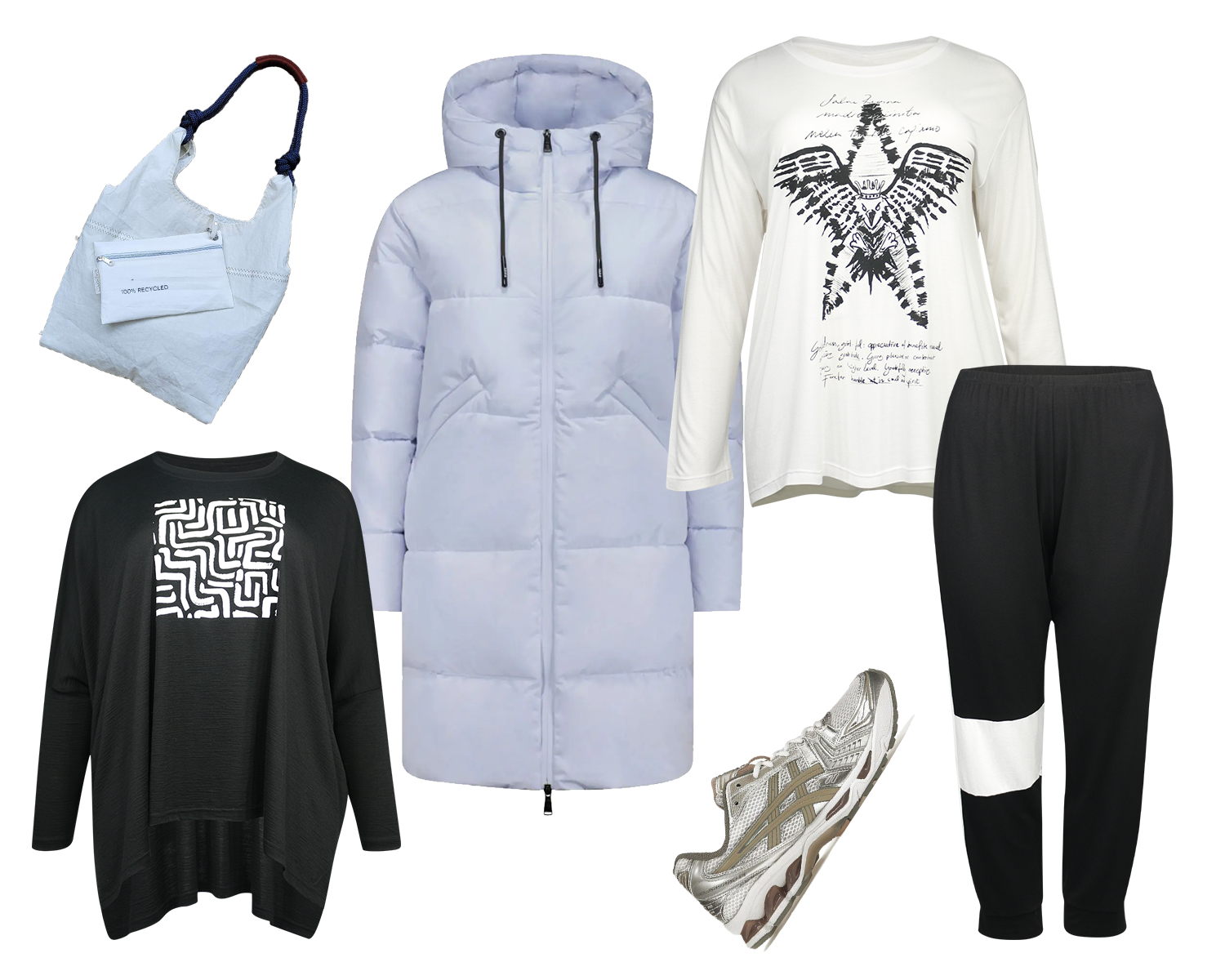
The Rise of Athleisure: Fashion Meets Comfort
Athleisure has revolutionized the fashion industry, seamlessly blending comfort and style. What started as a niche trend has now become a dominant force, influencing how people dress for work, travel, and everyday life. But what exactly is athleisure, and why has it gained such widespread popularity? What is Athleisure? Athleisure is a fashion trend that combines athletic wear with casual, everyday clothing. Think leggings paired with oversized blazers, sneakers worn with dresses, or joggers styled with structured tops. The concept is simple: versatile, functional, and stylish clothing that transitions effortlessly between different activities. Why Has Athleisure Become So Popular? Several factors have contributed to the rise of athleisure: Athleisure in High Fashion Luxury brands have embraced athleisure by incorporating sporty elements into their collections. Collaborations between athletic brands and high-end designers, such as Adidas x Stella McCartney or Nike x Off-White, have further blurred the lines between sportswear and high fashion. How to Style Athleisure The Future of Athleisure As fashion continues to evolve, athleisure is expected to remain a key player in the industry. With sustainability and innovation at the forefront, brands are likely to focus on eco-conscious materials and multifunctional designs that cater to modern lifestyles. Final Thoughts Athleisure is more than just a trend—it’s a reflection of changing lifestyles and fashion preferences. By merging comfort, functionality, and style, this movement has transformed the way people dress. Whether you’re running errands, heading to a casual meeting, or lounging at home, athleisure ensures you stay effortlessly stylish.

How to Choose the Perfect Pair of Jeans: A Complete Guide
Finding the perfect pair of jeans can feel like searching for a needle in a haystack. With countless styles, fits, and washes, it’s easy to get overwhelmed. However, the right jeans are a wardrobe staple that can make you look and feel fantastic. This guide will help you navigate the world of denim and find your perfect match! 1. Understand Different Body Shapes Knowing your body type is the first step in finding jeans that fit well. Here’s a quick breakdown of different body shapes and the jeans that generally complement them: 2. Choose the Right Rise The rise of jeans refers to where the waistband sits on your waist. Understanding the different rises can help you pick the most flattering style: 3. Find the Right Fit for Your Style Choosing the right fit involves considering both your comfort and the look you’re going for. Here’s a rundown of popular fits: 4. Pay Attention to Fabric and Stretch Denim fabric plays a significant role in comfort and fit. Consider the following: 5. Focus on Length and Hem The length of your jeans is crucial for achieving the right look: When choosing length, consider whether you’ll be wearing heels or flats, as this will affect the overall look. For a polished appearance, ensure the hem hits the right spot for the style you’re going for. 6. Consider Wash and Color The wash of jeans affects both style and versatility: 7. Don’t Forget About Details Details like pockets, seams, and distressing can make a big difference in the appearance of your jeans: 8. Test for Comfort and Fit Before committing to a purchase, make sure to test the comfort and fit: 9. Choose the Right Size Sizing can vary between brands, so it’s crucial to find the right size for you: 10. Tailoring is Key If you find a pair you love but they’re not quite perfect, consider getting them tailored. Hemming the length or adjusting the waist can make a huge difference in how your jeans fit and look. Conclusion Finding the perfect pair of jeans is all about understanding your body, choosing the right style, and paying attention to details that matter. By following this guide, you’ll be able to navigate the world of denim with confidence and choose a pair that not only fits perfectly but makes you feel amazing. Happy shopping!

Vintage Fashion: How to Incorporate Retro Pieces Into Your Wardrobe
Vintage fashion has become a major trend, and for good reason! Incorporating retro pieces into your wardrobe can add a unique flair, tell a story, and showcase your personal style. Whether you’re a fan of the roaring ’20s, the glamorous ’50s, or the groovy ’70s, there’s a vintage style that suits everyone. Here’s how you can incorporate retro pieces into your everyday wardrobe without looking like you’re wearing a costume. 1. Start Small with Accessories If you’re new to vintage fashion, accessories are the perfect way to start incorporating retro elements into your style without going all out. Here are some ideas: 2. Mix Vintage with Modern To keep your look contemporary, mix vintage pieces with modern clothing. Combining old and new creates a balanced style that’s fashion-forward and not overly retro. Here’s how you can do it: 3. Embrace Prints and Patterns Vintage fashion is known for its bold prints and patterns. Incorporating retro prints is an excellent way to make a statement. Here are some classic patterns to consider: 4. Choose the Right Era for Your Style Every decade has a distinct style, so it’s important to choose the era that resonates with you. Here are some key styles from different decades: 5. Opt for Quality Vintage Pieces Not all vintage items are created equal. Investing in high-quality vintage pieces will ensure they last and maintain their charm. Here’s what to look for: 6. Play with Vintage Silhouettes Vintage clothing is all about interesting silhouettes, from the nipped-in waists of the ’50s to the wide-leg pants of the ’70s. Don’t be afraid to experiment with different shapes: 7. Use Layering to Modernize Vintage Looks Layering is a great way to tone down a vintage piece or add complexity to your outfit. Consider these layering tips: 8. Don’t Be Afraid of Bold Colors Vintage fashion often features bold and bright colors. Don’t shy away from them! Here’s how you can add color without feeling overwhelmed: 9. Shop Smart for Vintage Pieces Finding the perfect vintage pieces requires some patience and research. Here are some shopping tips: 10. Confidence is Key Above all, the key to pulling off any vintage look is confidence. Wear your retro pieces with pride, and don’t be afraid to stand out. Vintage fashion is about expressing yourself and enjoying the styles of the past, so have fun experimenting! Conclusion Incorporating vintage pieces into your wardrobe is a fantastic way to embrace timeless fashion and express your unique style. Whether you’re mixing vintage with modern or going all-out retro, there’s no wrong way to wear vintage as long as you feel comfortable and confident. Happy hunting for those perfect retro treasures!

The Impact of Social Media on Fashion Trends
Social media has revolutionized the way we discover, follow, and create fashion trends. From influencers promoting the latest styles to brands directly connecting with customers, platforms like Instagram, TikTok, and Pinterest have become the go-to sources for trend inspiration and fashion advice. Here’s a closer look at how social media shapes the fashion industry and the trends we see today. 1. Instant Trend Accessibility Gone are the days when fashion trends were set solely by high-end designers or seasonal runway shows. Now, social media provides instant access to global fashion trends for everyone: 2. The Rise of Influencers and Content Creators Influencers have redefined what it means to be a fashion icon. With millions of followers, these individuals can make or break trends by sharing their own style choices: 3. Social Media Challenges and “Viral” Trends Platforms like TikTok have popularized quick, engaging fashion content through trends and challenges, which encourages people to participate and showcase their unique style: 4. Sustainability Awareness Social media has also brought environmental and ethical issues in fashion to light, sparking a movement towards more conscious consumption: 5. The Democratization of Fashion Social media has created an open platform where anyone can influence fashion, making it more democratic and inclusive than ever: 6. Augmented Reality and Virtual Try-Ons Technological advances in social media are also changing how we shop for fashion online: 7. Fast Fashion and Hyper-Trend Cycles Social media’s constant flow of new trends has led to a fast-paced cycle where fashion fads come and go quickly: 8. User-Generated Content and Brand Loyalty Brands increasingly rely on user-generated content (UGC) to market their products, creating a more authentic connection with customers: Final Thoughts Social media’s influence on fashion is vast and dynamic, shaping trends, increasing diversity, and creating new opportunities for brands and consumers alike. By giving everyone a voice in the fashion world, it has democratized style, helping people to express themselves more freely. Whether you’re inspired by a viral trend, influenced by a sustainable brand, or engaging in a fashion challenge, social media has made it easier than ever to explore and shape the latest fashion trends.

How to Dress for Your Body Type
Understanding how to dress for your body type can help you highlight your best features, feel confident, and express your personal style with ease. Here’s a guide to identifying your body shape and some styling tips to make the most of your natural silhouette! 1. Determine Your Body Type First, you’ll need to identify your body type. While everyone’s shape is unique, most people fall into one of these general categories: 2. Styling Tips for Each Body Type Hourglass Shape Goal: Emphasize your waist and curves. Pear Shape Goal: Balance your figure by adding volume to the upper body. Apple Shape Goal: Draw attention to your shoulders and legs while creating a balanced silhouette. Rectangle Shape Goal: Create the illusion of curves and add definition to your silhouette. Petite Goal: Elongate your frame to appear taller. 3. General Styling Tips for All Body Types Conclusion Finding your body type and understanding what styles work best can make dressing up an enjoyable, stress-free process. Remember, the goal is not to fit into a mold but to find pieces that enhance your unique beauty and personality. Embrace your shape, experiment, and most importantly, wear what makes you feel fabulous!

Fashion Hacks: Quick Fixes for Wardrobe Malfunctions
We’ve all been there—unexpected wardrobe malfunctions striking just when we need to look our best. Whether it’s a popped button, a pesky stain, or a stubborn zipper, here are some easy fashion hacks to save the day. These quick fixes will help you stay calm and look polished no matter what fashion mishap comes your way. 1. Safety Pins to the Rescue When a button decides to pop or a hem starts to come loose, safety pins are lifesavers. 2. Clear Nail Polish for Runs in Stockings Stockings and tights are notorious for developing runs at the worst times. 3. Baby Powder for Oil Stains Accidentally spilled oil or grease on your outfit? Baby powder can help absorb the stain. 4. Use a Hair Straightener for Wrinkled Collars or Hems If you’re out and about and notice your collar or hem is wrinkled, a hair straightener can work as a mini iron. 5. Hairspray to Prevent Skirt Static If your skirt is clinging due to static electricity, hairspray is a simple solution. 6. Deodorant Marks? Try Baby Wipes or a Dryer Sheet Deodorant stains on dark clothing can be tough to remove, especially if you’re in a hurry. 7. Double-Sided Tape for Loose Necklines and Gaps Loose or gaping necklines can be uncomfortable, but double-sided tape is an easy fix. 8. Rubber Band for a Broken Zipper If the zipper on your jeans or dress is broken and won’t stay up, a rubber band can help. 9. Ice Cube for Gum on Fabric Getting gum on your clothes can be frustrating, but an ice cube can make it easier to remove. 10. Clear Nail Polish for Loose Beads and Snags When beads or sequins are loose, a dab of clear nail polish can secure them. Conclusion Wardrobe malfunctions can happen anytime, but knowing these fashion hacks can save you from fashion emergencies! With a little creativity and quick thinking, you can handle most wardrobe mishaps with ease.

Fashion Forward: Predicting the Next Big Trends
As the fashion industry evolves, trends come and go, influenced by cultural shifts, technological advancements, and changing consumer preferences. Keeping an eye on emerging trends can help fashion enthusiasts, designers, and brands stay ahead of the curve. Here are some predictions for the next big trends shaping the fashion landscape. 1. Sustainable and Ethical Fashion 2. Tech-Infused Fashion 3. Gender Fluidity and Inclusivity 4. Y2K Aesthetics and Nostalgia 5. Comfort-Driven Designs 6. Bold Colors and Patterns 7. Minimalism and Timeless Pieces 8. Local and Artisan Craftsmanship 9. Virtual Fashion Shows and Digital Fashion 10. Health and Wellness Influences Conclusion The future of fashion is exciting, with trends driven by sustainability, inclusivity, technology, and creativity. As consumers become more conscious of their choices, brands will need to adapt and innovate to meet these evolving preferences. By embracing these predicted trends, fashion enthusiasts can stay ahead of the curve and make informed choices that align with their values. Whether through eco-friendly practices, bold aesthetics, or embracing individuality, the future of fashion promises to be diverse and dynamic

How to Mix High-End and High-Street Fashion for a Chic, Balanced Look
Combining high-end designer pieces with high-street finds is a brilliant way to create unique, stylish outfits without breaking the bank. Mixing luxury and affordable fashion adds versatility to your wardrobe and allows you to showcase your personality without sacrificing quality or style. Here’s how to master the art of high-low dressing to make any outfit look polished and chic. 1. Start with a Statement Piece Choose one high-end statement piece to build your outfit around, such as a designer blazer, handbag, or pair of shoes. High-end items with excellent craftsmanship can elevate an entire look, making your high-street pieces look more luxurious by association. For instance, a luxury leather jacket can bring a stylish edge to a simple jeans-and-tee combo. 2. Stick to Classic Colors and Neutrals Mixing high and low fashion is easiest with a neutral palette, as it brings cohesion to your outfit. Shades like black, white, beige, and navy give a polished look that blends well with both luxury and high-street items. You can add pops of color through accessories or small high-street pieces to keep the outfit vibrant without overwhelming it. 3. Focus on Quality Basics Invest in quality basics like a crisp white shirt, tailored black pants, or a cashmere sweater. These pieces can be mixed seamlessly with high-street items and help anchor your outfit, adding a sense of balance. Look for high-street basics with solid construction and minimal branding, so they blend effortlessly with your high-end items. 4. Play with High-Low Layering Layering is a great way to mix high and low fashion pieces. For example, layer a designer trench coat over an affordable sundress or a luxury blazer over a basic high-street tee. Experimenting with layers lets you balance the focal points of the outfit, drawing attention to the high-end piece without overshadowing the high-street elements. 5. Accessorize with High-End Pieces High-end accessories like designer bags, sunglasses, or jewelry can elevate any look. They are often the most noticeable items in an outfit and can transform simple high-street clothing into a sophisticated ensemble. A statement watch or a classic handbag brings a polished finish, making the entire look feel more luxurious. 6. Add High-Street Trends Sparingly Trendy pieces can be easily found in high-street stores, allowing you to try new styles without a big commitment. Incorporate one or two trendy high-street items, such as a bold patterned blouse or statement earrings, with your high-end pieces. This way, you stay on-trend while balancing quality with affordability. 7. Mix Textures for Dimension Blending different textures can make an outfit look more dynamic and luxurious. Try pairing a soft cashmere sweater with denim jeans or a silk blouse with faux leather pants. High-street textures like denim, cotton, and faux leather mix well with luxury fabrics such as silk, wool, and cashmere, creating a visually interesting and well-rounded outfit. 8. Tailor Your High-Street Items Well-fitted clothing looks more expensive, even if it’s not. Tailoring your high-street pieces can make them look like custom-made luxury items, enhancing the overall look. Hemming trousers, taking in the waist of a dress, or adjusting the sleeves on a blazer are small changes that can make a big difference. 9. Choose Minimalistic High-Street Pieces Minimalistic high-street items pair more seamlessly with high-end fashion because they lack distracting details. Look for pieces with simple lines and a refined silhouette. A clean-cut, affordable black dress, for example, can look strikingly elegant when worn with a designer belt or jewelry. 10. Experiment with Footwear Footwear is a great area to blend high and low fashion. If you’re wearing a high-end outfit, opt for high-street shoes in classic styles like loafers, boots, or strappy sandals. On the flip side, a luxury pair of shoes can add a chic touch to a high-street outfit. Mixing high-end footwear with affordable clothing (and vice versa) is an easy way to elevate your look while staying budget-conscious. Final Thoughts Combining high-end and high-street fashion is all about finding the right balance and building an outfit that reflects your unique style. By focusing on one statement piece, paying attention to quality basics, and adding high-end accessories, you can create an effortlessly chic look that’s as sophisticated as it is budget-friendly. This high-low approach not only enhances your wardrobe’s versatility but also allows you to stay stylish without overspending. So, dive in, experiment, and discover the high-low combinations that make you feel both fashionable and fabulous!

Fashion Tips for Petite Women: How to Flaunt Your Style with Confidence
Being petite has its unique set of styling challenges, but with a few clever tricks, you can look stunning and feel confident in every outfit. Let’s dive into some essential fashion tips for petite women that can help elongate your silhouette and enhance your personal style. 1. Opt for High-Waisted Bottoms High-waisted pants, shorts, and skirts are a petite woman’s best friend. These styles elongate your legs by drawing attention upwards, creating a taller, streamlined appearance. Pairing high-waisted jeans with a tucked-in top can add inches visually and make you look more proportionate. 2. Embrace Monochromatic Outfits Wearing a single color from head to toe creates an uninterrupted line, which makes you look taller. Choose shades like black, navy, or earth tones to add a sophisticated touch to your look. For a chic monochrome outfit, pair a beige top with matching trousers and a long coat in the same shade. 3. Choose Vertical Stripes Vertical stripes are perfect for petite women as they draw the eye up and down, creating the illusion of height. Opt for striped dresses, pants, or tops to add vertical length to your frame. Avoid horizontal stripes, which can widen your frame, making you look shorter. 4. Pick Cropped Tops and Jackets Cropped tops, jackets, and cardigans are perfect for highlighting your waistline and giving your outfit structure without overwhelming your frame. They add balance to your look, especially when paired with high-waisted bottoms, and prevent your clothes from looking too long or baggy. 5. Opt for A-Line Dresses and Skirts A-line dresses and skirts are extremely flattering for petite women. They draw attention to your waist and gradually flow out, creating a balanced look. Mini A-line skirts paired with ankle boots are especially stylish and help elongate your legs. 6. Go for V-Necklines V-neck tops, blouses, and dresses draw the eye vertically, creating a longer line and making your neck look elongated. This neckline also adds a touch of elegance and works well with most styles. Avoid boat necks or high necklines that can make you look shorter by adding horizontal width. 7. Invest in Tailored Clothing Tailored pieces that fit well are crucial for a petite frame. Avoid oversized or baggy styles, which can overwhelm your silhouette. Invest in well-fitted pants, blazers, and dresses that accentuate your figure without adding unnecessary volume. Don’t hesitate to get your clothes tailored to achieve a perfect fit. 8. Wear Pointed-Toe Shoes Pointed-toe shoes create a lengthening effect on your legs, making them look longer and slimmer. Whether you’re wearing flats, heels, or ankle boots, choose a pointed toe to enhance your silhouette. Nude-colored shoes are another excellent option, especially for skirts and dresses, as they blend with your skin tone and create a seamless, elongated look. 9. Avoid Oversized Accessories Large bags, chunky jewelry, or oversized hats can overwhelm a petite frame. Instead, opt for small to medium-sized accessories that complement your look without overpowering it. A delicate necklace, a medium-sized crossbody bag, or a slim belt can add a chic touch without taking away from your outfit. 10. Choose High-Slit Dresses and Skirts High slits add an elegant, elongated appearance, especially on long dresses and skirts. They show off a little leg and give the illusion of height without compromising on style. A high-slit maxi dress or skirt can make you look taller and add a feminine, sophisticated vibe to your look. Final Thoughts Petite styling is all about embracing your unique frame and learning to highlight your best features. With these fashion tips, you can create stylish, flattering looks that bring out your confidence and personality. Embrace the power of high-waisted pieces, tailored fits, and vertical details to take your style to the next level. So, whether you’re dressing for work, a casual outing, or a special occasion, let these petite-friendly fashion tips guide you in creating an effortlessly chic wardrobe!

Seasonal Fashion: Must-Have Pieces for Summer
As the temperatures rise and the days get longer, summer fashion calls for a fresh and vibrant wardrobe. Here are some must-have pieces to keep you stylish and comfortable all season long: 1. Breezy Sundresses A staple of summer fashion, sundresses are perfect for staying cool and looking chic. Opt for lightweight fabrics like cotton or linen and bright, fun patterns to embrace the season. Whether it’s a floral print or a classic solid color, sundresses are versatile enough for both casual outings and summer soirées. 2. Trendy Sunglasses Sunglasses are not just for protecting your eyes from the sun; they’re a crucial fashion accessory. Choose a pair that complements your face shape and experiment with trendy frames, such as cat-eyes or oversized styles. They’ll add an instant glam factor to any outfit. 3. Comfortable Sandals From flip-flops to gladiators, a good pair of sandals is essential for summer. Look for options that are both stylish and comfortable, so you can walk around all day without any discomfort. Metallic finishes or bold colors can also add a pop to your summer look. 4. Versatile Swimwear Invest in swimwear that you feel confident and comfortable in. Whether you prefer a classic one-piece or a trendy bikini, make sure it suits your style and fits well. Don’t forget to bring along a stylish cover-up for beach or poolside lounging. 5. Lightweight Scarves While summer is all about staying cool, a lightweight scarf can be a great accessory. Use it as a head wrap, a sarong, or even a cover-up for your shoulders during those cooler evenings. Choose breathable materials like silk or chiffon for maximum comfort. 6. Fun Hats Protect yourself from the sun while staying fashionable with a wide-brimmed hat or a trendy straw fedora. Hats not only shield you from harmful UV rays but also add a touch of sophistication to your summer outfits. 7. Chic Tote Bags A spacious tote bag is perfect for carrying all your summer essentials. Look for one with a fun pattern or a bright color to add a pop of personality to your look. It’s practical for beach days, shopping trips, or any summer adventure. With these must-have pieces, you’ll be well-equipped to enjoy the summer season in style. Mix and match these essentials to create a wardrobe that’s both fashionable and functional.
Health

The Health Revolution: Beyond Quick Fixes—Modern Wellness, Gut Health, and Reclaiming Your Vitality
Let’s cut through the noise. We live in an era of information overload. We are promised that a specific 10-day juice cleanse will reverse decades of sedentary living. We are told a single supplement is the ‘fountain of youth.’ The reality? These are short-term hacks designed to sell products, not build lasting health. The true global health movement of 2026 isn’t about fitting into a smaller pair of jeans by Friday; it’s about shifting our focus toward long-term vitality and understanding the subtle signals our body has been sending us for years. We are exhausted by the cycle of rapid-result empty promises. True health is a quiet, consistent revolution. If you are ready to reclaim your physical and mental vibrancy and step away from corporate wellness genericism, here is the unfiltered blueprint for the sustainable health movements that are changing lives. 1. The Vitality Shift: Why We are Moving from ‘Fitness’ to ‘Function’ For years, the wellness narrative was dominated by aesthetic goals. Success was measured by muscle definition or weight lost. That paradigm is shifting fast toward Functional Vitality. Functional movement focuses on how your body performs in daily life. It’s not about how much you can bench press; it’s about whether you can squat to pick up your child without pain, or reach the top shelf with ease. The modern movement prioritizes mobility, flexibility, and dynamic stability over raw strength or vanity. Key Takeaway: Stop training for a ‘look’ and start training for your life. If your exercise routine leaves you chronically injured or exhausted, it is not serving your long-term health. Prioritize quality movement over intensity. 2. The Gut Microbiome: The Command Center You’ve Been Ignoring If you want to talk about true professional health, we have to talk about the gut. In 2026, the scientific understanding of the Gut-Brain Axis (the bidirectional communication channel between your digestive system and your brain) has absolutely exploded. The trillions of bacteria living in your intestines—your microbiome—control everything from your immune system response to your daily mood regulation. We now know that a compromised microbiome is linked to chronic inflammation, anxiety, and metabolic dysfunction. 3. Metabolic Flexibility: Training Your Body to Be Energy-Efficient Another powerful trend among health practitioners is the concept of “Metabolic Flexibility.” This is your body’s ability to seamlessly switch between burning glucose (carbohydrates) and burning fat for energy. Most modern lifestyles force our bodies to rely 100% on glucose, which leads to blood sugar spikes, energy crashes, and eventually metabolic resistance. Achieving flexibility is about teaching your system to be adaptable. 4. Stress Adaptation: Mastering Your Autonomic Nervous System True wellness in 2026 requires understanding your nervous system. We are a chronically over-stressed global community, and this sympathetic nervous system dominance (fight-or-flight) is driving chronic disease. The health revolution is shifting toward proactive stress adaptation. This isn’t about ‘managing stress’ once you’re overwhelmed; it is about building the capacity of your parasympathetic system (rest-and-digest). The Unfiltered Conclusion The underlying theme of this Health Revolution—the authentic movement, the profound science of gut health, and the focus on metabolic flexibility (beautifully visualized in the sustainable community of image_4.png)—is sovereignty. We are moving away from dependency on external systems and toward an educated, internal understanding of our own body’s needs. True health is consistent, it is respectful of the body’s innate wisdom, and it prioritizes longevity. Quick fixes are generic. Reclaiming your vitality is uniquely you.

How to Boost Your Immune System Naturally
A strong immune system is essential for defending your body against illnesses and infections. While there is no magic pill to instantly enhance immunity, adopting healthy lifestyle habits can naturally strengthen your body’s defences. Here are some effective ways to boost your immune system naturally. 1. Eat a Nutrient-Rich Diet Your diet plays a crucial role in maintaining a healthy immune system. Incorporate a variety of nutrient-dense foods, such as: 2. Stay Hydrated Drinking enough water is vital for overall health. Proper hydration helps flush toxins from the body and supports the function of immune cells. Aim for at least 8 glasses of water per day, and consume hydrating foods like fruits and vegetables. 3. Get Enough Sleep Quality sleep allows the body to repair and regenerate, supporting optimal immune function. Aim for 7-9 hours of sleep per night to reduce stress and enhance overall health. 4. Exercise Regularly Moderate exercise can boost the immune system by improving circulation and promoting the activity of immune cells. Activities like walking, jogging, yoga, and strength training can enhance your body’s defense mechanisms. 5. Manage Stress Levels Chronic stress can weaken the immune system, making you more susceptible to illness. Practice stress management techniques such as meditation, deep breathing exercises, and spending time in nature to promote relaxation and resilience. 6. Maintain a Healthy Gut Your gut health plays a significant role in immune function. To support a balanced gut microbiome, consume probiotic-rich foods like yogurt, kefir, and fermented vegetables, as well as prebiotic foods like garlic, onions, and bananas. 7. Limit Processed Foods and Sugar Excessive sugar and processed foods can suppress immune function and contribute to inflammation. Opt for whole, natural foods to nourish your body and support immune health. 8. Practice Good Hygiene Simple hygiene practices, such as washing your hands regularly, covering your mouth when coughing, and avoiding close contact with sick individuals, can help prevent infections and protect your immune system. 9. Get Sunlight and Vitamin D Vitamin D is essential for immune health. Spending time in the sun, eating vitamin D-rich foods like fatty fish and fortified dairy products, or taking supplements can help maintain optimal levels. 10. Stay Connected and Maintain Social Relationships Strong social connections and positive relationships contribute to overall well-being and can help reduce stress, which in turn supports a strong immune system. Conclusion Boosting your immune system naturally requires a combination of healthy eating, proper hydration, regular exercise, and stress management. By making these small but impactful lifestyle changes, you can enhance your body’s natural defences and enjoy long-term wellness.

Tips for Healthy Weight Loss
Losing weight in a healthy and sustainable way requires a balanced approach that includes proper nutrition, physical activity, and lifestyle changes. Fad diets and quick fixes may offer temporary results, but long-term success comes from adopting healthier habits that can be maintained over time. Here are some effective tips for achieving and maintaining a healthy weight. 1. Set Realistic Goals Establishing achievable weight loss goals is crucial for long-term success. Aim for a gradual weight loss of 1-2 pounds per week, which is considered safe and sustainable. 2. Adopt a Balanced Diet Focus on consuming nutrient-dense foods such as fruits, vegetables, whole grains, lean proteins, and healthy fats. Avoid processed foods, sugary beverages, and excessive intake of refined carbs. 3. Practice Portion Control Being mindful of portion sizes can prevent overeating. Use smaller plates, measure servings, and listen to your body’s hunger cues to avoid unnecessary calorie consumption. 4. Stay Hydrated Drinking plenty of water throughout the day helps control appetite, improves metabolism, and supports overall health. Sometimes, thirst is mistaken for hunger, leading to unnecessary snacking. 5. Increase Physical Activity Incorporate regular exercise into your routine. A mix of cardiovascular workouts, strength training, and flexibility exercises can help burn calories, improve muscle tone, and boost metabolism. 6. Get Enough Sleep Lack of sleep can disrupt hunger hormones and increase cravings for unhealthy foods. Aim for 7-9 hours of quality sleep each night to support your weight loss efforts. 7. Manage Stress High-stress levels can lead to emotional eating and poor food choices. Practice stress management techniques such as meditation, deep breathing, or yoga to maintain a balanced mindset. 8. Plan Your Meals Meal planning helps prevent impulsive eating and ensures that you make healthier choices. Preparing meals in advance can save time and reduce reliance on unhealthy convenience foods. 9. Avoid Skipping Meals Skipping meals can lead to overeating later in the day. Aim for regular, well-balanced meals to keep your metabolism steady and energy levels stable. 10. Stay Consistent and Patient Weight loss is a gradual process, and results may take time. Stay committed to your healthy habits, track progress, and make adjustments as needed to reach your goals. Conclusion Healthy weight loss is about making sustainable changes that promote overall well-being. By focusing on nutritious foods, regular exercise, and mindful lifestyle choices, you can achieve your weight loss goals while maintaining long-term health and happiness.

The Benefits of Plant-Based Diets
In recent years, plant-based diets have gained significant popularity due to their numerous health benefits and positive impact on the environment. Whether you’re considering a complete shift to plant-based eating or simply incorporating more plant-based meals into your diet, understanding the advantages can help you make informed choices for your health and well-being. Health Benefits of a Plant-Based Diet 1. Improved Heart Health A diet rich in fruits, vegetables, whole grains, and legumes is associated with lower risks of heart disease. Plant-based foods are naturally low in saturated fats and cholesterol while being high in fibre, which helps reduce blood pressure and improve overall cardiovascular health. 2. Weight Management Plant-based diets are typically lower in calories and higher in fibre, making them effective for weight loss and weight maintenance. Studies show that individuals who follow a plant-based diet tend to have lower body mass indexes (BMIs) compared to those who consume animal-based products regularly. 3. Reduced Risk of Chronic Diseases A plant-based diet has been linked to a reduced risk of various chronic conditions, including type 2 diabetes, certain cancers, and obesity. Antioxidants and phytonutrients in plant foods help combat inflammation and oxidative stress, promoting long-term health. 4. Better Digestion High-fiber foods, such as vegetables, fruits, legumes, and whole grains, support a healthy digestive system by promoting regular bowel movements and a balanced gut microbiome. A fiber-rich diet also reduces the risk of constipation and digestive disorders. 5. Increased Energy Levels Plant-based diets provide essential nutrients that support energy production, including complex carbohydrates, vitamins, and minerals. Unlike processed foods and red meats, plant-based meals offer sustainable energy levels without causing fatigue or sluggishness. Environmental and Ethical Benefits 1. Reduced Carbon Footprint The production of plant-based foods requires fewer resources, such as water and land, compared to animal agriculture. By choosing a plant-based diet, individuals can help reduce greenhouse gas emissions and contribute to a more sustainable planet. 2. Conservation of Natural Resources Livestock farming consumes significant amounts of water and contributes to deforestation. Switching to plant-based foods helps conserve water, protect biodiversity, and reduce the depletion of natural resources. 3. Animal Welfare A plant-based diet eliminates the need for factory farming and reduces the demand for animal products. This ethical choice supports animal rights and helps prevent animal cruelty associated with industrial food production. How to Transition to a Plant-Based Diet Conclusion A plant-based diet offers a multitude of benefits, from improving personal health to protecting the environment and promoting ethical food choices. Whether you choose to go fully plant-based or simply reduce animal product consumption, making mindful dietary choices can lead to a healthier and more sustainable lifestyle.
How to Develop a Positive Body Image
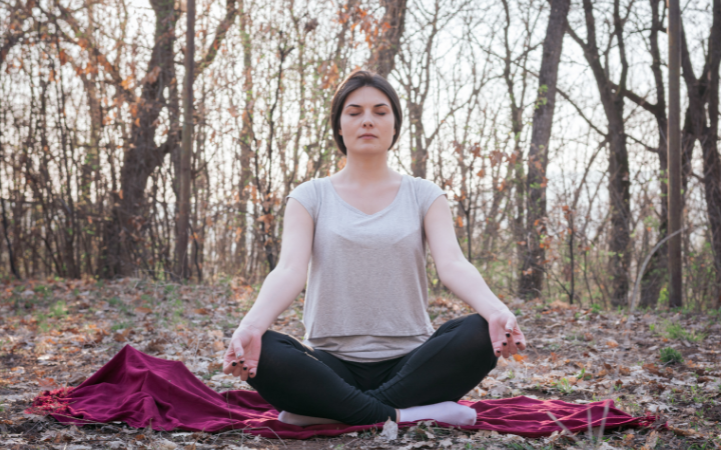
In today’s society, body image plays a significant role in self-esteem and mental well-being. Developing a positive body image is essential for fostering self-acceptance and confidence. Here are some key strategies to help cultivate a healthier perception of your body. 1. Practice Self-Compassion 2. Surround Yourself with Positivity 3. Engage in Activities That Make You Feel Good 4. Wear Clothes That Make You Feel Comfortable 5. Challenge Negative Thoughts 6. Focus on Overall Well-Being 7. Seek Support When Needed Final Thoughts Developing a positive body image takes time and effort, but it is an important step toward self-acceptance and overall well-being. By making conscious choices to support your mental and physical health, you can build confidence and appreciate your body for all that it does.

Essential Vitamins and Minerals for Optimal Health
Vitamins and minerals are essential nutrients that play a crucial role in maintaining overall health. They support various bodily functions, including immune health, brain function, and energy production. A well-balanced diet rich in essential vitamins and minerals can help prevent deficiencies and promote long-term wellness. Here’s a breakdown of key nutrients and their benefits. 1. Vitamin A 2. Vitamin B Complex 3. Vitamin C 4. Vitamin D 5. Vitamin E 6. Vitamin K 7. Calcium 8. Iron 9. Magnesium 10. Zinc 11. Potassium Final Thoughts Ensuring you get enough essential vitamins and minerals through a well-balanced diet is key to maintaining optimal health. By incorporating a variety of nutrient-rich foods into your meals, you can support your body’s functions and overall well-being.

The Connection Between Diet and Mental Health
In recent years, research has increasingly shown that what we eat doesn’t just affect our physical health—it plays a crucial role in our mental well-being as well. A balanced diet can enhance mood, reduce anxiety, and even help prevent mental health disorders. Here’s a look at how diet and mental health are closely linked and how you can make better food choices to support your mind. 1. The Gut-Brain Connection The gut and brain are intricately connected through the gut-brain axis, a communication network linking the digestive system with the central nervous system. A healthy gut microbiome, supported by a diet rich in fiber, probiotics, and prebiotics, can contribute to improved mood and cognitive function. 2. Key Nutrients for Mental Health Certain nutrients play a significant role in brain function and emotional well-being: 3. How Diet Affects Mood and Stress A poor diet high in processed foods, sugar, and unhealthy fats can lead to mood swings, fatigue, and increased stress. On the other hand, a balanced diet with whole foods can stabilize blood sugar levels, reduce inflammation, and promote mental clarity. 4. The Impact of Sugar and Processed Foods Excess sugar consumption can lead to energy crashes and exacerbate symptoms of anxiety and depression. Processed foods lacking essential nutrients may contribute to cognitive decline and emotional instability over time. 5. The Role of Hydration Dehydration can lead to fatigue, confusion, and irritability. Drinking enough water is essential for optimal brain function and maintaining mental clarity throughout the day. 6. Building a Mental Health-Boosting Diet Final Thoughts Your diet is a powerful tool in maintaining mental well-being. By making conscious food choices, you can nourish your brain, enhance your mood, and reduce the risk of mental health issues. Small dietary changes can make a big difference—start prioritizing your mental health through nutrition today!

The Role of Antioxidants in Health and How to Get More of Them
Antioxidants are essential compounds that play a crucial role in maintaining health and protecting the body from damage. They are often lauded for their ability to combat oxidative stress and reduce the risk of chronic diseases. Understanding the importance of antioxidants and how to incorporate them into your daily diet can significantly impact your well-being. What Are Antioxidants? Antioxidants are molecules that fight free radicals—unstable atoms that can cause cellular damage when their levels become too high. Free radicals are produced naturally in the body during normal metabolic processes and can also be introduced from external sources like pollution, cigarette smoke, and unhealthy foods. When the balance between free radicals and antioxidants is disrupted, oxidative stress occurs, leading to cell damage and contributing to aging and the development of diseases such as cancer, diabetes, and heart disease. Common antioxidants include: The Benefits of Antioxidants 1. Protection Against Chronic Diseases Antioxidants are known for their role in reducing the risk of chronic illnesses such as heart disease, cancer, and type 2 diabetes. They neutralize free radicals before they can cause cellular damage, helping to protect vital organs and systems. 2. Support for the Immune System Antioxidants enhance immune function by protecting immune cells from oxidative stress. A robust immune system can better fight off infections, viruses, and other harmful invaders. 3. Anti-Aging Properties Oxidative stress accelerates the aging process by damaging cells and tissues. Antioxidants help slow down this process, maintaining skin elasticity, reducing wrinkles, and promoting overall youthful vitality. 4. Brain Health Oxidative damage is linked to cognitive decline and neurodegenerative disorders like Alzheimer’s disease. Antioxidants help protect the brain by reducing inflammation and preventing damage to brain cells, promoting better memory and cognitive function. 5. Reduced Inflammation Antioxidants have anti-inflammatory properties that help reduce inflammation in the body, which is a common factor in many chronic diseases, including arthritis and heart conditions. How to Increase Antioxidant Intake Boosting your antioxidant levels can be simple with a balanced diet rich in colorful fruits, vegetables, nuts, and whole grains. Here are some ways to get more antioxidants in your diet: 1. Eat a Rainbow of Fruits and Vegetables Different colored fruits and vegetables contain various types of antioxidants, each providing unique health benefits. Aim to include a wide range of colors in your diet to maximize antioxidant intake. Top Choices: Tips: 2. Choose Whole Grains and Nuts Whole grains and nuts are excellent sources of antioxidants, particularly Vitamin E, selenium, and flavonoids. They also provide fiber, healthy fats, and other essential nutrients that promote overall health. Top Choices: Tips: 3. Incorporate Antioxidant-Rich Beverages Certain beverages are packed with antioxidants and can be a delicious way to boost your intake. Top Choices: Tips: 4. Use Herbs and Spices in Cooking Herbs and spices are potent sources of antioxidants and add flavor to meals without extra calories. Top Choices: Tips: 5. Focus on Antioxidant-Rich Superfoods Some foods are particularly dense in antioxidants and are often called “superfoods.” Incorporating them into your diet can provide a concentrated boost of nutrients. Top Choices: Tips: 6. Use High-Quality Cooking Oils Certain cooking oils contain antioxidants that protect your cells from damage. Opt for oils that have anti-inflammatory benefits and are rich in healthy fats. Top Choices: Tips: 7. Take Antioxidant Supplements Cautiously While getting antioxidants from whole foods is ideal, supplements can be beneficial for individuals with specific deficiencies. However, it’s important to be cautious, as excessive intake can have adverse effects. Common Supplements: Tips: Conclusion Antioxidants are a vital part of a healthy diet, playing a key role in reducing oxidative stress, preventing chronic diseases, and supporting overall well-being. By including a variety of antioxidant-rich foods—fruits, vegetables, nuts, whole grains, herbs, and beverages—you can ensure your body gets the protection it needs. Focus on a balanced diet with colorful and nutrient-dense foods to harness the full benefits of these powerful compounds, and remember, moderation is key when considering supplements. Embrace these simple dietary changes to maintain a healthy and vibrant life!

How to Manage Chronic Pain Naturally
Chronic pain is a persistent and debilitating condition that affects millions of people worldwide. Unlike acute pain, which typically subsides with treatment or healing, chronic pain lasts for weeks, months, or even years. While medication can be effective, many people seek natural ways to manage their pain to avoid potential side effects and foster long-term well-being. Here are some holistic and natural approaches to help you manage chronic pain. 1. Stay Active with Gentle Exercise One of the most effective ways to manage chronic pain is through regular, gentle exercise. Physical activity releases endorphins—natural painkillers produced by the body. It also helps to improve flexibility, reduce inflammation, and increase strength, all of which can ease discomfort. Best Exercises for Chronic Pain: Tips: 2. Use Heat and Cold Therapy Heat and cold therapy are time-tested methods for natural pain relief. Applying heat can relax tense muscles and increase blood flow, while cold can reduce inflammation and numb areas of discomfort. How to Use: Tips: 3. Practice Mindfulness and Meditation Mindfulness meditation has gained recognition for its ability to manage chronic pain naturally. By focusing your attention and being present in the moment, mindfulness can help you change the way you perceive pain and reduce stress, which often exacerbates pain. How to Practice: Tips: 4. Embrace Anti-Inflammatory Foods Diet plays a crucial role in managing chronic pain, especially if inflammation is a contributing factor. Eating anti-inflammatory foods can help reduce pain levels and promote overall health. Focus on a balanced diet rich in nutrients, antioxidants, and healthy fats. Top Anti-Inflammatory Foods: Tips: 5. Try Herbal Remedies and Supplements Several herbs and supplements are known for their pain-relieving and anti-inflammatory properties. While they are not a substitute for medical treatment, they can be helpful as part of a holistic pain management plan. Common Herbs and Supplements: Tips: 6. Get Adequate Sleep Poor sleep can exacerbate chronic pain, creating a vicious cycle of discomfort and sleeplessness. Prioritizing quality sleep is essential for managing pain and improving overall well-being. Sleep Tips: 7. Explore Acupuncture and Acupressure Acupuncture and acupressure are traditional Chinese medicine techniques that involve stimulating specific points on the body to relieve pain. Acupuncture uses thin needles, while acupressure involves applying pressure with fingers or tools. Benefits: Tips: 8. Use Essential Oils for Pain Relief Aromatherapy, or the use of essential oils, can be a natural way to alleviate pain and promote relaxation. Certain oils have pain-relieving and anti-inflammatory properties, making them useful for managing chronic discomfort. Recommended Essential Oils: How to Use: 9. Seek Support Through Social Connections and Therapy Living with chronic pain can be emotionally challenging, and having a strong support system is crucial. Connecting with others who understand your experience can provide comfort, encouragement, and valuable tips for pain management. Support Options: Tips: Conclusion Managing chronic pain naturally is a holistic approach that involves addressing both the physical and emotional aspects of pain. By incorporating a combination of gentle exercise, a nutritious diet, herbal remedies, mindfulness practices, and supportive therapies, you can significantly reduce pain and improve your quality of life. Remember, every person’s experience with pain is unique, so it may take some experimentation to find the strategies that work best for you. Always consult with a healthcare professional before making significant changes to your pain management routine.

Superfoods You Should Include in Your Diet
In recent years, the term “superfood” has become a popular buzzword in the world of nutrition. These are foods packed with nutrients, antioxidants, and compounds that offer significant health benefits. Adding superfoods to your diet can help boost energy levels, improve overall health, and even reduce the risk of chronic diseases. Here’s a guide to some of the top superfoods you should include in your daily diet to keep you feeling your best. 1. Blueberries: The Antioxidant Powerhouse Blueberries are often called the “king of antioxidants.” They are low in calories but incredibly high in nutrients. These little berries are rich in vitamins C and K, fiber, and powerful antioxidants like anthocyanins that protect cells from damage caused by free radicals. Health Benefits: How to Use: 2. Kale: The Nutrient-Dense Green Kale is one of the most nutrient-dense foods on the planet. It’s packed with vitamins A, C, and K, calcium, and fiber. This leafy green also contains antioxidants like quercetin and kaempferol, which have anti-inflammatory and heart-protective properties. Health Benefits: How to Use: 3. Chia Seeds: The Fiber-Rich Seed Chia seeds are tiny but mighty! These small seeds are loaded with fiber, protein, omega-3 fatty acids, and several essential minerals like calcium, magnesium, and phosphorus. They are an excellent choice for plant-based eaters looking to boost their nutrient intake. Health Benefits: How to Use: 4. Salmon: The Omega-3 Rich Fish Salmon is a top source of high-quality protein and is rich in omega-3 fatty acids, which are known for their heart health benefits. It also contains a good amount of B vitamins, potassium, and selenium. Health Benefits: How to Use: 5. Turmeric: The Golden Spice Turmeric has been used for centuries in traditional medicine due to its powerful anti-inflammatory and antioxidant properties. Its main active ingredient, curcumin, has been extensively studied for its potential health benefits. Health Benefits: How to Use: 6. Quinoa: The Protein-Packed Grain Quinoa is a gluten-free whole grain that’s a complete protein, meaning it contains all nine essential amino acids. It’s also high in fiber, magnesium, iron, and B vitamins, making it a great alternative to traditional grains. Health Benefits: How to Use: 7. Avocado: The Healthy Fat Avocados are a fantastic source of heart-healthy monounsaturated fats. They’re also loaded with fiber, potassium, vitamin E, and B vitamins. The healthy fats in avocados make them a satisfying and versatile addition to any meal. Health Benefits: How to Use: 8. Almonds: The Crunchy Snack Almonds are rich in healthy fats, fiber, protein, magnesium, and vitamin E. These nuts are an easy snack to grab on the go and are known for their heart-healthy properties. Health Benefits: How to Use: 9. Sweet Potatoes: The Nutrient-Rich Carb Sweet potatoes are a fantastic source of fiber, vitamins A and C, potassium, and antioxidants like beta-carotene. They’re a nutrient-rich carbohydrate that provides sustained energy. Health Benefits: How to Use: 10. Green Tea: The Calming Beverage Green tea is one of the healthiest beverages you can drink. It’s loaded with antioxidants, including polyphenols and catechins, which are known for their health benefits. This soothing drink also contains a modest amount of caffeine, offering a gentle energy boost. Health Benefits: How to Use: Conclusion Incorporating superfoods into your diet doesn’t have to be complicated. Start by gradually adding one or two superfoods to your daily meals and discover what you enjoy the most. These nutrient-rich foods can make a significant difference in your overall health and well-being, providing your body with the essential vitamins, minerals, and antioxidants it needs to thrive. By making conscious choices and embracing a variety of superfoods, you’re taking a vital step towards a healthier lifestyle.

The Importance of Regular Health Screenings and Check-ups
In today’s fast-paced world, maintaining good health is often overlooked. We tend to prioritize work, family, and social life over our own well-being, only visiting a doctor when we feel unwell. However, regular health screenings and check-ups are crucial for maintaining long-term health and detecting potential issues early. These preventive measures can be life-saving and ensure a higher quality of life. Let’s delve into why regular health screenings and check-ups are essential. 1. Early Detection of Health Issues One of the most significant benefits of regular health check-ups is the early detection of potential health problems. Many diseases, including cancer, diabetes, and heart disease, can remain asymptomatic in their initial stages. Routine screenings can help identify these silent threats before they become serious. Early diagnosis often leads to more effective treatment options and a higher chance of recovery. 2. Preventive Care Saves Money Investing in preventive care through regular screenings and check-ups can save you money in the long run. Catching a health issue early often results in less costly and less invasive treatments. According to studies, preventive care can significantly reduce overall healthcare costs by preventing serious illnesses that require expensive medical interventions. 3. Building a Strong Doctor-Patient Relationship Regular health check-ups allow you to build a rapport with your healthcare provider, leading to a more personalized and comprehensive healthcare experience. A strong doctor-patient relationship can enhance trust, communication, and understanding of your unique health needs. This partnership encourages: 4. Updating Vaccinations and Preventative Measures Vaccinations aren’t just for children; adults need them too. Regular check-ups are an opportunity to update vaccinations and discuss preventive measures based on your age, health status, and lifestyle. Some common vaccinations include: 5. Maintaining a Healthy Lifestyle Regular health screenings and check-ups are an excellent opportunity to discuss your lifestyle choices with a healthcare professional. They can provide guidance on how to maintain a healthy lifestyle or make necessary changes. Topics often discussed include: 6. Managing Chronic Conditions For individuals already living with chronic conditions like diabetes, hypertension, or asthma, regular check-ups are crucial to managing their health. These appointments allow healthcare providers to: 7. Reducing the Risk of Complications By keeping up with routine check-ups, you significantly reduce the risk of complications from undiagnosed or poorly managed health issues. Preventive screenings can identify risk factors early and prompt interventions, which can decrease the likelihood of complications later. Examples include: 8. Boosting Mental Health Regular health check-ups aren’t just about physical health—they can also help boost your mental well-being. Mental health is a crucial part of overall health, and routine visits to your doctor can: 9. Encouraging Healthy Aging As we age, our health needs change. Regular screenings and check-ups play a vital role in encouraging healthy aging and ensuring a high quality of life in later years. Key areas of focus for older adults include: 10. Peace of Mind Lastly, one of the most understated benefits of regular health screenings and check-ups is the peace of mind they provide. Knowing that you are proactively monitoring your health can relieve anxiety and stress. Even if tests come back normal, the reassurance that you’re in good health can boost your mental and emotional well-being. Conclusion Regular health screenings and check-ups are not just about treating illnesses—they’re about preventing them and maintaining a healthy lifestyle. They allow for early detection, provide opportunities for lifestyle adjustments, save money in the long run, and help you maintain a strong relationship with your healthcare provider. Remember, health is a lifelong journey, and taking proactive steps today can lead to a healthier and happier future. Make health screenings and check-ups a priority, and empower yourself to live a better, healthier life

How to Improve Gut Health: Foods and Habits to Consider
Good gut health is essential for overall well-being, impacting digestion, immunity, mental health, and even skin. While the balance of “good” and “bad” bacteria in the gut microbiome plays a crucial role, diet and lifestyle choices significantly influence this balance. Here’s a guide on how to improve gut health with foods and habits to incorporate into your daily routine. 1. Eat More Fiber-Rich Foods Dietary fiber is one of the best ways to keep your gut in good health, as it feeds beneficial bacteria and promotes regular bowel movements. 2. Incorporate Probiotics into Your Diet Probiotics are live bacteria and yeasts that help maintain a healthy balance in the gut microbiome. 3. Stay Hydrated Water plays an essential role in digestion, nutrient absorption, and waste elimination, all of which contribute to a healthy gut. 4. Limit Processed and Sugary Foods Processed foods and excess sugar can lead to inflammation in the gut and promote the growth of harmful bacteria, disrupting the gut’s balance. 5. Eat a Diverse Range of Foods Diversity in diet contributes to a diverse microbiome, which is beneficial for overall health. 6. Manage Stress Levels Stress can directly affect your gut health by altering the gut’s environment and impacting digestion. 7. Get Enough Sleep Quality sleep helps the body recover and supports overall gut health by maintaining a stable environment for beneficial bacteria. 8. Add Healthy Fats to Your Diet Healthy fats help reduce inflammation in the gut and support digestion by aiding the absorption of nutrients. 9. Avoid Overusing Antibiotics While antibiotics are necessary for treating bacterial infections, overusing them can wipe out beneficial bacteria and disrupt the gut microbiome. 10. Consider Taking Supplements Certain supplements can support gut health by providing nutrients and beneficial bacteria. Final Thoughts Improving gut health is not about making a single change but rather adopting a holistic lifestyle approach. Eating a diet rich in fiber, prebiotics, probiotics, and a diverse array of whole foods, while also managing stress, staying hydrated, and getting quality sleep, will all support a healthy gut microbiome. By prioritizing these habits, you can help create a balanced gut environment that will benefit your entire body.

Healthy Aging: Tips for Maintaining Vitality and Wellness
Aging gracefully is about nurturing your body, mind, and spirit to stay vibrant and healthy. Here are some essential tips to help you maintain vitality and wellness as you age, supporting a fulfilling and active lifestyle. 1. Stay Active with Regular Exercise Physical activity is one of the best ways to maintain energy, flexibility, and strength as you age. 2. Prioritize a Balanced Diet A nutrient-rich diet is essential for maintaining vitality and supporting immune health. 3. Stay Mentally Sharp Keeping your brain active and engaged is crucial for cognitive health. 4. Prioritize Sleep Quality sleep is critical for physical and mental health, as it helps the body repair and recharge. 5. Protect Your Skin Taking care of your skin can help prevent wrinkles, dryness, and other signs of aging. 6. Focus on Joint Health Keeping your joints healthy can allow for more freedom of movement and prevent stiffness. 7. Manage Stress Effectively Chronic stress can take a toll on overall health, accelerating aging and increasing the risk of illness. 8. Keep Up with Regular Health Screenings Regular check-ups and health screenings can help detect and prevent potential issues. 9. Maintain a Positive Outlook Having a positive outlook can contribute to a longer, healthier life. 10. Stay Engaged in Meaningful Activities Staying engaged with purpose-filled activities can provide fulfillment and improve overall well-being. Conclusion Aging is a natural part of life, but with a balanced approach to physical, mental, and emotional health, you can age with vitality and wellness. Embrace these healthy habits to stay vibrant, energized, and engaged with life at any age!

The Benefits of Meditation for Mental Clarity and Stress Reduction
Meditation has long been practiced for its powerful effects on the mind and body. Regular meditation offers a wealth of benefits, helping to improve mental clarity, reduce stress, and enhance overall well-being. Here are some of the profound ways meditation can support mental clarity and stress reduction. 1. Improves Focus and Mental Clarity Meditation helps clear mental clutter, enabling you to focus more effectively. 2. Reduces Stress and Promotes Relaxation Meditation is known for its ability to calm the mind and relieve stress. 3. Improves Emotional Health Regular meditation can significantly improve your emotional well-being, helping you to feel more positive and balanced. 4. Promotes Self-Awareness and Personal Growth Meditation helps you understand yourself better, promoting self-awareness and personal development. 5. Enhances Sleep Quality Meditation can significantly improve your sleep by calming the mind and reducing stress. 6. Increases Patience and Tolerance A regular meditation practice can improve patience and help you respond calmly in challenging situations. 7. Boosts Creativity and Problem-Solving Skills Meditation clears mental fog, making room for creativity and innovation. 8. Supports Physical Health by Reducing Stress-Related Symptoms Since stress affects the body, reducing it can have physical health benefits as well. 9. Promotes a Sense of Gratitude and Contentment Meditation encourages a positive mindset, fostering gratitude and contentment. How to Get Started with Meditation Here are a few tips for establishing a meditation routine: Conclusion Meditation offers numerous benefits for mental clarity, stress reduction, and emotional well-being. By incorporating meditation into your daily routine, you can experience more focus, inner peace, and overall fulfillment. Start small, be patient with yourself, and enjoy the journey to a calmer, more centered self.

Natural Remedies for Common Ailments
In today’s world, many individuals seek natural remedies to address common ailments instead of relying solely on pharmaceuticals. Natural remedies can offer effective relief while often having fewer side effects. Here’s a guide to some effective natural remedies for common ailments. 1. Headaches 2. Cough and Cold 3. Digestive Issues 4. Allergies 5. Insomnia 6. Muscle Pain 7. Skin Irritations 8. Stress and Anxiety 9. Fatigue 10. Cold Sores Conclusion Natural remedies can be effective in managing common ailments and improving overall well-being. However, it’s essential to remember that while these remedies can provide relief, they are not a substitute for professional medical advice or treatment. Always consult with a healthcare professional before starting any new treatment, especially if you have underlying health conditions or are taking medications. By integrating natural remedies into your wellness routine, you can promote a healthier lifestyle and enhance your quality of life.
How to Build a Sustainable Exercise Routine
Building a consistent exercise routine can be challenging, but with a sustainable plan, it becomes part of a fulfilling lifestyle. Here’s a guide to creating an exercise routine that you’ll want to stick to for years: 1. Set Realistic Goals 2. Start Small and Build Gradually 3. Incorporate Variety 4. Prioritize Recovery 5. Listen to Your Body Tools to Stay Committed By making exercise enjoyable and attainable, you’ll be more likely to keep moving, creating a lifelong habit that supports your physical and mental health.
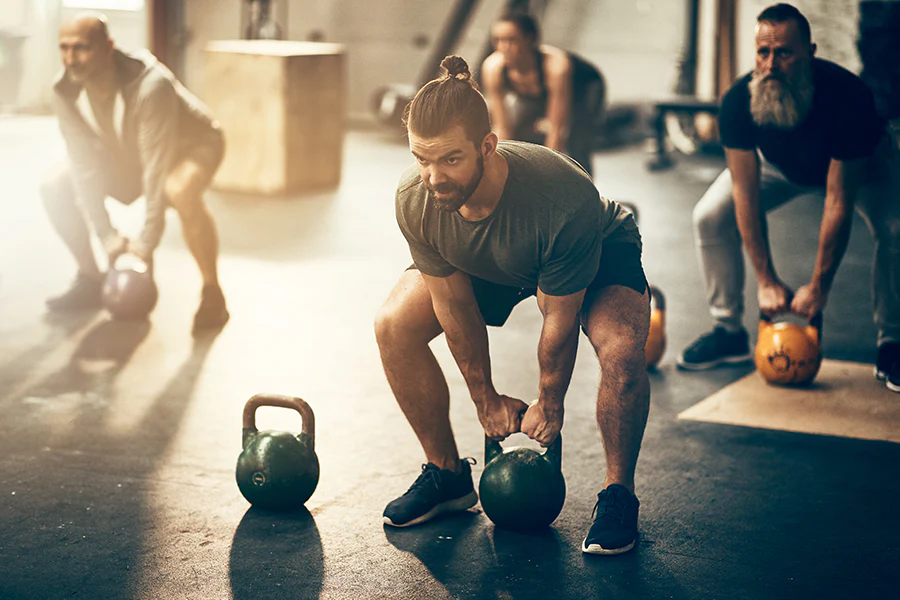
The Benefits of Cross-Training for Athletes: Building Versatility and Reducing Injury
Cross-training involves training in various disciplines or sports to improve overall athleticism, prevent injuries, and enhance performance. For athletes, incorporating different types of physical activities into their routine can provide a competitive edge and improve their adaptability in their main sport. Here’s a look at the key benefits of cross-training and how it can optimize athletic performance. 1. Enhanced Overall Fitness and Conditioning Cross-training helps athletes develop a well-rounded fitness profile by targeting muscles and energy systems that might not be fully engaged in their primary sport. By including a variety of workouts—such as swimming, cycling, or strength training—athletes can improve endurance, cardiovascular health, flexibility, and strength, contributing to enhanced overall athletic conditioning. 2. Injury Prevention One of the biggest advantages of cross-training is that it helps reduce the risk of injuries caused by repetitive strain and overuse. Engaging in a range of activities helps athletes avoid the wear and tear on muscles and joints that come from repeating the same movements. By training different muscle groups and reducing the frequency of sport-specific activities, athletes give their bodies time to recover, allowing them to maintain a balanced, injury-free physical foundation. 3. Improved Mental Engagement and Reduced Burnout Athletes often experience mental fatigue or burnout from the intensity and repetition of a single sport. Cross-training introduces variety into their routine, keeping them mentally engaged and motivated. Exploring new physical challenges provides a mental break and allows athletes to reconnect with their love for movement without the pressure of performance in their primary sport. 4. Development of New Skills and Strengths Cross-training enhances agility, flexibility, and coordination by incorporating movements that are different from those in an athlete’s main sport. For example, a runner might gain strength and balance from adding yoga, while a basketball player could build endurance through swimming. These new skills can complement their primary sport, making them more adaptable and well-rounded. 5. Enhanced Recovery and Muscle Balance Cross-training promotes active recovery by engaging muscles differently, which can help alleviate soreness and speed up recovery. Activities like swimming, light cycling, and yoga enhance blood flow, remove lactic acid build-up, and prevent tightness in muscles, facilitating quicker recovery and muscle balance. Active recovery also helps alleviate mental fatigue and prevent stiffness in overused muscles. 6. Improved Flexibility and Range of Motion Certain forms of cross-training, such as yoga or Pilates, improve flexibility, balance, and range of motion, which are essential for injury prevention and athletic performance. Increased flexibility helps athletes move more fluidly and lowers the risk of strains. This is particularly beneficial for sports requiring explosive movements, as improved mobility enhances athletic performance and reduces the risk of muscle pulls or tears. 7. Increased Stamina and Endurance Endurance-building cross-training exercises, like swimming, cycling, or rowing, improve cardiovascular health and overall stamina. The enhanced stamina carries over to an athlete’s primary sport, allowing them to perform better for longer periods without experiencing fatigue as quickly. Endurance cross-training provides a valuable cardiovascular workout that can be more forgiving on the joints than high-impact sports like running or basketball. 8. Strengthened Core Stability Core stability is essential for all athletes, as it is the foundation for most athletic movements. Cross-training activities such as Pilates, weightlifting, and swimming focus heavily on core strength and stability, which can improve performance and reduce the risk of lower back injuries. A strong core improves an athlete’s balance, posture, and agility, which are vital for both injury prevention and overall performance. 9. Boosted Metabolism and Weight Management Incorporating different forms of exercise can boost an athlete’s metabolism, helping them maintain optimal body weight and muscle mass. High-intensity interval training (HIIT), strength training, and endurance exercises can increase muscle mass and reduce body fat, which is beneficial for athletes who need to stay lean while maintaining strength and endurance. 10. Preparation for Competitive Events Many competitive events, especially in multi-sport competitions like triathlons or decathlons, require proficiency in multiple disciplines. Cross-training prepares athletes to handle a variety of physical demands, helping them adapt quickly to different challenges during competitions. This preparation is also valuable for athletes who want to expand their competitive scope and participate in events outside their main sport. Popular Cross-Training Activities for Athletes Conclusion Cross-training is a powerful tool for athletes, offering benefits that go beyond improving physical fitness. By incorporating different forms of exercise, athletes can reduce the risk of injury, enhance their skills, and sustain a balanced fitness level. Cross-training provides a holistic approach to athletic development, enabling athletes to reach their peak performance and maintain longevity in their sport.
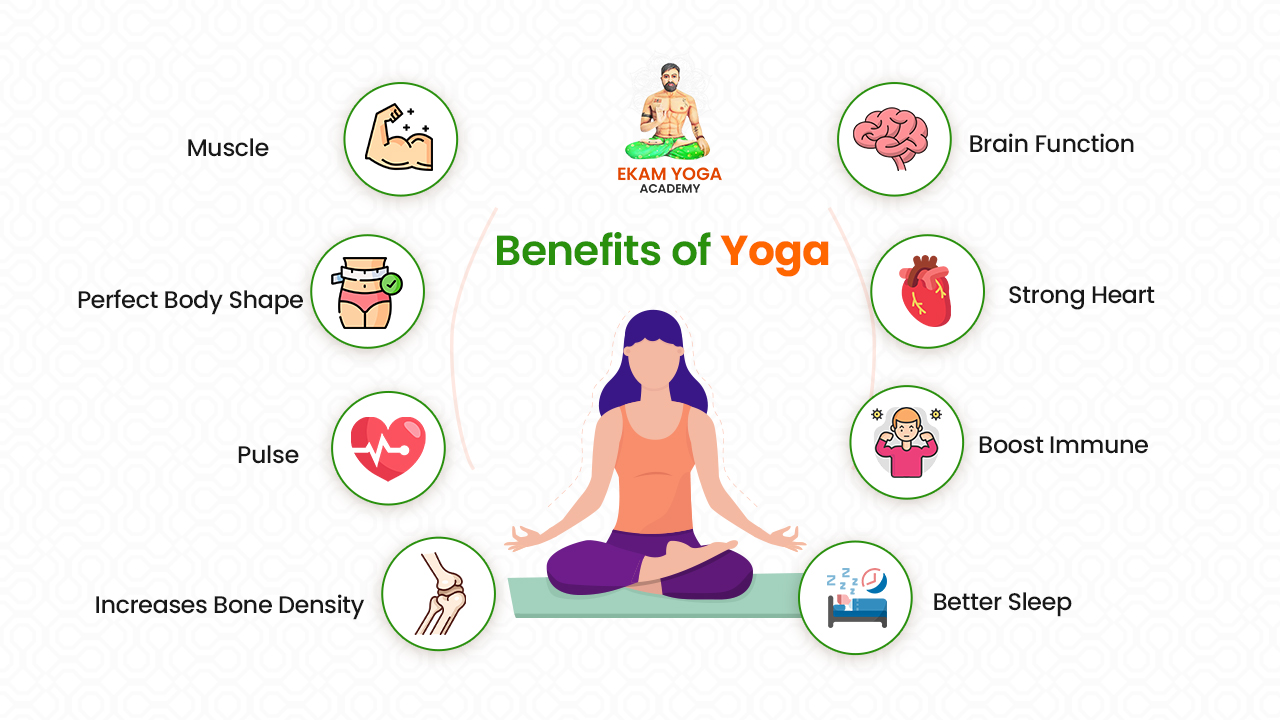
The Benefits of Yoga for Physical and Mental Well-being
Yoga is much more than a physical exercise. It’s a transformative practice that connects the body, mind, and spirit, offering benefits for both physical and mental health. Here’s how regular yoga practice can enhance overall well-being: 1. Improves Physical Health 2. Supports Mental Health 3. Encourages Emotional Stability How to Begin a Yoga Practice Yoga’s holistic approach to well-being makes it a powerful tool for both physical fitness and emotional balance. Regular practice can lead to significant improvements in overall health and happiness.

Mental Toughness: Strategies for Athletes to Excel Under Pressure
Mental toughness is an essential trait for athletes, as it enables them to persevere through challenges, stay focused, and perform at their best under pressure. While physical training is vital, developing mental resilience can make the difference between good and exceptional performance. Here are some effective strategies for athletes to build mental toughness and elevate their game. 1. Set Clear, Achievable Goals Goal-setting provides a clear sense of purpose and direction. Start with long-term goals, then break them down into short-term, actionable steps that are realistic and measurable. This helps you stay focused, motivated, and maintain a sense of progress. For example, instead of “improve my endurance,” set a measurable goal like “run 5K in under 20 minutes within the next month.” 2. Practice Visualization Visualization is a powerful mental tool that prepares the mind for success. Take time daily to envision yourself performing well in your sport, focusing on each detail and feeling. Imagine yourself facing challenges, making the right decisions, and succeeding. Research shows that visualizing success activates the same brain regions as actual physical practice, which can enhance confidence and reduce anxiety during real events. 3. Embrace a Growth Mindset A growth mindset helps athletes view challenges as opportunities to improve rather than threats. Understand that setbacks and failures are part of the journey, and see them as valuable lessons. When you make a mistake, analyze what went wrong and find ways to avoid it next time. By reframing challenges in this way, you’ll build resilience and remain motivated to improve. 4. Develop a Pre-Performance Routine Establishing a consistent pre-performance routine helps signal to your brain that it’s time to focus, allowing you to block out distractions and enter a peak mental state. This routine could include specific stretches, breathing exercises, or a visualization session. A solid pre-performance routine can help reduce anxiety and set the tone for a confident, composed performance. 5. Master Breathing Techniques Breathing exercises are a great way to manage nerves and stay centered, particularly in high-stress situations. Practice deep, slow breathing, inhaling through the nose and exhaling slowly through the mouth. Techniques like box breathing (inhale for 4 seconds, hold for 4, exhale for 4, hold for 4) can help you stay calm, control your heart rate, and improve focus under pressure. 6. Stay Present with Mindfulness Mindfulness helps athletes stay focused on the present moment rather than being distracted by past mistakes or future anxieties. Incorporate mindfulness practices into your daily routine, such as meditation or grounding exercises. During competition, mindfulness can help you focus on what you can control, rather than external factors, keeping your mind clear and focused on each play, movement, or task. 7. Use Positive Self-Talk Positive self-talk is crucial for building confidence and mental toughness. Develop a repertoire of affirmations or statements that resonate with you, like “I am prepared,” “I am strong,” or “I am capable.” Replace self-doubt and negative thoughts with constructive messages. Positive self-talk helps athletes remain motivated and resilient, especially when facing setbacks. 8. Embrace the Power of Routine Practice and Consistency Consistent practice builds confidence, which is key to mental toughness. Stick to a structured training schedule, even on days when motivation feels low. By developing consistent habits, you’re training your brain to handle challenges more effectively and reinforcing mental discipline. Consistency builds trust in your ability, making it easier to stay calm and focused in high-pressure situations. 9. Learn from Pressure Situations Rather than avoiding pressure situations, embrace them as learning experiences. Challenge yourself to thrive under pressure by gradually exposing yourself to difficult situations in practice. For example, practicing in simulated game-like conditions or against tough opponents can help you develop the skills to stay composed. The more you experience pressure situations, the better you’ll handle them in real competition. 10. Cultivate a Support System Having a support system, such as a coach, teammates, or family, can help you manage stress and provide encouragement. Share your goals with them and lean on them during challenging times. A strong support system can boost your motivation, offer helpful perspectives, and help you bounce back from setbacks more effectively. Conclusion Mental toughness is the cornerstone of athletic success, allowing athletes to push through adversity and remain focused under pressure. By setting clear goals, practicing visualization, and using techniques like mindfulness, self-talk, and a pre-performance routine, athletes can strengthen their mental resilience. Cultivating these strategies not only prepares athletes for competition but also empowers them to handle the highs and lows of athletic life with grace and confidence.

The Impact of Stress on Physical Health and How to Manage It
Stress is a common part of life, but chronic or unmanaged stress can lead to significant health issues over time. While stress is often associated with emotional strain, its physical impact is equally profound, affecting everything from the cardiovascular system to immune function. Let’s explore how stress influences physical health and some effective strategies to manage it. The Physical Impact of Stress When you encounter stress, your body releases hormones like cortisol and adrenaline, which are part of the “fight or flight” response. While these hormones are helpful in short bursts, prolonged stress can lead to several health problems, including: 1. Cardiovascular Issues Chronic stress raises your heart rate and blood pressure, increasing the risk of heart disease, hypertension, and stroke. Over time, stress can cause inflammation in blood vessels, which contributes to plaque buildup and increases the risk of heart attacks. 2. Digestive Problems Stress can disrupt your digestive system, leading to issues like acid reflux, irritable bowel syndrome (IBS), and stomach ulcers. High levels of stress slow digestion, which can cause bloating, cramping, and changes in appetite. 3. Weakened Immune System Prolonged stress suppresses immune function, making the body more susceptible to infections. People with high levels of chronic stress may experience frequent colds, flu, and slower recovery from illnesses. 4. Muscle Tension and Pain When stressed, the body often responds with muscle tension, which can lead to headaches, migraines, and general body aches. Chronic stress can contribute to musculoskeletal conditions, like tension headaches and even joint pain. 5. Weight Fluctuations Stress affects weight, often causing individuals to overeat or undereat. Cortisol can lead to cravings for sugary or fatty foods, which can result in weight gain, especially around the abdomen, increasing the risk of metabolic issues. 6. Sleep Disturbances Stress disrupts sleep patterns, causing issues like insomnia and restless sleep. Poor sleep further impacts overall health, exacerbating stress levels, and creating a vicious cycle of stress and inadequate rest. How to Manage Stress for Better Physical Health Effective stress management is crucial for both mental and physical well-being. Here are some strategies that can help reduce stress and its harmful effects: 1. Regular Physical Activity Exercise is one of the most effective ways to manage stress. Physical activity releases endorphins, the body’s natural mood lifters. Even a daily 20-30 minute walk can make a significant difference. Yoga, in particular, combines physical movement with deep breathing, helping to lower cortisol levels and improve mental clarity. 2. Mindfulness and Meditation Mindfulness and meditation techniques can reduce stress by helping you stay present and focus on the moment. Studies show that practicing mindfulness can lower cortisol levels, improve concentration, and promote relaxation. Even five minutes of meditation a day can make a noticeable impact on stress levels. 3. Healthy Eating Habits Nutrient-rich foods, like fruits, vegetables, whole grains, and lean proteins, help regulate energy and mood. Avoid excessive caffeine and sugar, which can worsen stress and lead to energy crashes. Consistent, balanced meals support a stable mood and enhance resilience to stress. 4. Get Adequate Sleep Quality sleep is essential for managing stress. Aim for 7-9 hours of uninterrupted sleep each night. Develop a bedtime routine to unwind—avoid screens at least an hour before bed, create a relaxing environment, and limit caffeine intake after the afternoon. Proper rest supports a stronger immune system, emotional balance, and better stress management. 5. Connect with Others Social support is crucial for managing stress. Talking with friends, family, or even a therapist provides a healthy outlet for stress, helping you gain perspective and feel understood. Make time for regular social activities or support groups to foster a sense of community and reduce feelings of isolation. 6. Time Management and Setting Boundaries Learning to manage your time effectively can prevent feeling overwhelmed. Prioritize your tasks, delegate where possible, and don’t hesitate to set boundaries. Saying “no” when necessary can help protect your mental well-being and reduce stress. 7. Limit Exposure to Stressors Identify and, when possible, reduce sources of stress in your life. This might mean limiting exposure to negative news, cutting back on time spent with stressful people, or reducing workloads where feasible. Simplifying your daily routine can lessen the feeling of being overwhelmed. Conclusion Managing stress is essential to protect physical health, as prolonged stress can contribute to numerous health problems, including heart disease, immune suppression, and digestive issues. By implementing small, manageable changes like regular exercise, mindfulness practices, and prioritizing sleep, you can significantly reduce the impact of stress on your body. Managing stress effectively leads to a healthier, happier life and promotes a greater sense of overall well-being.
Lifestyle

The Art of Intentional Living: Designing a Lifestyle That Matters in an Overwhelming World
Let’s be completely honest: the concept of ‘lifestyle’ has been hijacked. If you browse through social media today, lifestyle looks less like actual living and more like a carefully staged photoshoot. It’s defined by pristine, all-white minimalist apartments, unrealistic 5:00 AM routines that require an hour of meditation before sunrise, and an endless cycle of buying aesthetic gadgets to fix our daily chaos. But real lifestyle isn’t something you purchase from a curated catalog. It is the deliberate architecture of your daily choices. The true lifestyle shift of 2026 isn’t about looking perfect to the outside world; it’s about Intentional Living—the practice of ruthlessly auditing what enters your space, your mind, and your daily schedule so that you can actually enjoy the life you are building. If you are tired of chasing trends that leave you feeling unfulfilled and exhausted, here is an unfiltered, realistic guide to restructuring your lifestyle from the ground up. 1. Radical Digital Minimalism: Reclaiming Your Attention Span You cannot build an intentional lifestyle if your brain is constantly being over-stimulated by infinite scrolling. We live in a world where our attention is the most valuable commodity, and we give it away too easily. Digital minimalism isn’t about throwing your smartphone into the ocean and moving to a cabin in the woods; it’s about establishing hard boundaries. The average person checks their phone over a hundred times a day, often completely unconsciously. This constant fracturing of our attention span creates a subtle, underlying layer of anxiety that tints our entire day. 2. Curating “Micro-Spaces”: Why Your Physical Environment Rules Your Psychology Your physical environment is an external manifestation of your mental state. If your desk is piled high with old receipts, your closet is overflowing with clothes you haven’t worn in three years, and your living room is cluttered with half-finished projects, your brain is constantly processing that chaos. The modern lifestyle movement prioritizes the creation of “Micro-Spaces”—specific, curated areas in your home dedicated entirely to a singular, intentional purpose. A Reality Check: You don’t need a massive luxury apartment to achieve this. Even in a compact studio apartment, assigning a strict identity to a single corner changes how you behave in that space. When your environment is organized, your mind follows suit. 3. The “Slow Social” Shift: Quality Over Quantity in Connections For the past decade, social success was measured by network size—how many followers you had, how many events you attended, and how many group chats you managed. In 2026, the pendulum has swung completely the other way. People are experiencing deep “social fatigue” and are actively shrinking their circles. An intentional lifestyle requires moving toward “Slow Socials”—prioritizing deep, intimate, and distraction-free relationships over surface-level networking. 4. Time Auditing: Moving from “Busy” to “Productive” In corporate culture, being “busy” is often worn like a badge of honor. People love to complain about how packed their calendar is. But a truly elevated lifestyle values unscheduled time as the ultimate luxury. If your day is booked back-to-back with obligations, meetings, and errands, you aren’t living a lifestyle; you are running a marathon on a treadmill. The Unfiltered Reality (Conclusion) An intentional lifestyle—one that embraces digital minimalism, respects the psychological power of your micro-spaces, and guards your time fiercely—isn’t about restricting yourself. It is about liberation. It is about choosing what matters to you rather than letting an algorithm or societal expectations decide for you. When you strip away the aesthetic pressure and the need to constantly look busy, you are left with something incredibly rare: a life that actually feels good on the inside, not just one that looks good on a screen. Where is your lifestyle currently feeling out of alignment? Are you struggling to set digital boundaries, or is your physical environment holding your focus back? Let’s open up the discussion in the comments below!

The Art of Gifting: How FNP (Ferns N Petals) Makes Every Celebration Special?
In the modern world, the act of gifting has evolved into an experience. It’s no longer just about exchanging objects; it’s about expressing emotions, strengthening bonds, and creating lasting memories. Whether it’s a birthday, an anniversary, or a simple “thinking of you,” the perfect gift has the power to convey feelings that words often fail to express. This is where FNP (Ferns N Petals) has stepped in, revolutionizing the way we think about and execute gifting, making it both a science and an art. Let’s explore how FNP has mastered the art of gifting, making every celebration truly special and memorable. The Foundation: From Flowers to Everything FNP, famously known as Ferns N Petals, started its journey in 1994 as a modest single flower shop. Their core mission was to deliver fresh, beautiful blooms. However, their vision was far greater. Today, it stands as a global leader in the online gifting industry, but its roots are still firmly planted in providing the emotional connection that fresh flowers offer. While flowers are still their signature product, FNP has expanded its offerings dramatically to cover the entire spectrum of human celebration. They understand that different occasions demand different expressions of love and care. This understanding is what defines their curated collections. Elevating Every Occasion with Variety and Curation When you browse FNP, you aren’t just looking at products; you are exploring curated gift ideas tailored for specific relationships and events. Their secret to success lies in this incredible variety. 1. Fresh Flowers & Signature Bouquets 2. Delectable Cakes for Every Taste 3. Personalized Gifts that Speak Volumes 4. Eco-Friendly Gifting with Plants 5. Curated Gift Hampers for Grand Gestures The Power of Instant Joy: Express Delivery In a fast-paced world, speed is paramount. Perhaps FNP’s most impactful innovation in the gifting space is their focus on timely and express delivery services. They understand that a gift arriving even a day late loses its element of surprise. Ensuring Seamless Experiences: The FNP Advantage The actual products are only part of the story. FNP’s commitment to customer satisfaction makes the entire process effortless. Conclusion: Making a Difference with Every Gift FNP has successfully transformed gifting from a logistical task into an emotional journey. By offering a perfect blend of variety, quality, speed, and personalization, they have set a benchmark in the industry. The next time you want to make a statement, show your love, or simply make someone’s day, remember that with FNP, you aren’t just sending a gift; you are creating a memory that will be cherished for a lifetime. Choose FNP to ensure that every celebration truly feels special.

5 Quick Football Drills for Busy Players
Discover the joys of sharing your passions, stories, and experiences with the world through a beautifully designed personal blog. Blogging has become a powerful way for people from all walks of life to express themselves, build communities, and even grow a sustainable business. Whether you are a hobbyist, a professional, or just someone with stories to tell, starting a personal blog gives you a platform to connect deeply with like-minded individuals. In today’s digital world, your voice can travel farther than you think. Why We Miss the Small Things In today’s fast-paced world, it’s easy to get caught up in deadlines, routines, and never-ending to-do lists. We scroll endlessly, chase goals, and forget to pause. But when we stop and notice the small things—a song playing softly in a café, or the pattern of raindrops on a window—we reconnect with the present moment. Capturing Everyday Beauty Photography is one of the best ways to capture fleeting everyday beauty. Even a walk through a quiet street can reveal colors, patterns, and perspectives worth remembering. The trick is not to wait for something extraordinary, but to find meaning in the ordinary. A Gallery of Little Joys Each picture tells a story. A warm drink, a good read, or the glow of a city after sunset—these are the tiny details that make life rich. Words That Inspire “Enjoy the little things in life, for one day you may look back and realize they were the big things.” This simple truth reminds us that happiness is not found in grand events but in daily appreciation. Video Inspiration (Image+Link) Sometimes, watching a short video is enough to spark reflection and gratitude. Here’s one worth pausing for: Video Inspiration (YouTube Embed) Sometimes, watching a short video is enough to spark reflection and gratitude. Here’s one worth pausing for: Video Inspiration (Vimeo Embed) Sometimes, watching a short video is enough to spark reflection and gratitude. Here’s one worth pausing for: Small Daily Practices Why It Matters Mindful routines give structure to our days while teaching us to notice the beauty we often miss. Over time, this habit shifts how we see the world—not as a list of tasks but as a collection of meaningful moments. Ready to Begin? Start your own personal blog today and share your unique story with the world. Create Your Blog Now Thank you for stopping by this demo post! This content mixes images, quotes, videos, lists, headings, and engaging text to demonstrate the versatility and beauty of your personal blog theme. Your clients can imagine their stories brought to life in this format.

Travel and Enjoy Delicious Foods
Discover the joys of sharing your passions, stories, and experiences with the world through a beautifully designed personal blog. Blogging has become a powerful way for people from all walks of life to express themselves, build communities, and even grow a sustainable business. Whether you are a hobbyist, a professional, or just someone with stories to tell, starting a personal blog gives you a platform to connect deeply with like-minded individuals. In today’s digital world, your voice can travel farther than you think. Why We Miss the Small Things In today’s fast-paced world, it’s easy to get caught up in deadlines, routines, and never-ending to-do lists. We scroll endlessly, chase goals, and forget to pause. But when we stop and notice the small things—a song playing softly in a café, or the pattern of raindrops on a window—we reconnect with the present moment. Capturing Everyday Beauty Photography is one of the best ways to capture fleeting everyday beauty. Even a walk through a quiet street can reveal colors, patterns, and perspectives worth remembering. The trick is not to wait for something extraordinary, but to find meaning in the ordinary. A Gallery of Little Joys Each picture tells a story. A warm drink, a good read, or the glow of a city after sunset—these are the tiny details that make life rich. Words That Inspire “Enjoy the little things in life, for one day you may look back and realize they were the big things.” This simple truth reminds us that happiness is not found in grand events but in daily appreciation. Video Inspiration (Image+Link) Sometimes, watching a short video is enough to spark reflection and gratitude. Here’s one worth pausing for: Video Inspiration (YouTube Embed) Sometimes, watching a short video is enough to spark reflection and gratitude. Here’s one worth pausing for: Video Inspiration (Vimeo Embed) Sometimes, watching a short video is enough to spark reflection and gratitude. Here’s one worth pausing for: Small Daily Practices Why It Matters Mindful routines give structure to our days while teaching us to notice the beauty we often miss. Over time, this habit shifts how we see the world—not as a list of tasks but as a collection of meaningful moments. Ready to Begin? Start your own personal blog today and share your unique story with the world. Create Your Blog Now Thank you for stopping by this demo post! This content mixes images, quotes, videos, lists, headings, and engaging text to demonstrate the versatility and beauty of your personal blog theme. Your clients can imagine their stories brought to life in this format.

Dance Music and Nightlife Fun
Life is often defined by big milestones, but the real beauty hides in the everyday moments we tend to overlook. A simple sunrise, the smell of freshly brewed coffee, or the laughter of a friend can add more joy to our days than we realize. By slowing down and appreciating these small details, we give ourselves the chance to live more fully. Why We Miss the Small Things In today’s fast-paced world, it’s easy to get caught up in deadlines, routines, and never-ending to-do lists. We scroll endlessly, chase goals, and forget to pause. But when we stop and notice the small things—a song playing softly in a café, or the pattern of raindrops on a window—we reconnect with the present moment. Capturing Everyday Beauty Photography is one of the best ways to capture fleeting everyday beauty. Even a walk through a quiet street can reveal colors, patterns, and perspectives worth remembering. The trick is not to wait for something extraordinary, but to find meaning in the ordinary. A Gallery of Little Joys Each picture tells a story. A warm drink, a good read, or the glow of a city after sunset—these are the tiny details that make life rich. Words That Inspire “Enjoy the little things in life, for one day you may look back and realize they were the big things.” This simple truth reminds us that happiness is not found in grand events but in daily appreciation. Video Inspiration (Image+Link) Sometimes, watching a short video is enough to spark reflection and gratitude. Here’s one worth pausing for: Video Inspiration (YouTube Embed) Sometimes, watching a short video is enough to spark reflection and gratitude. Here’s one worth pausing for: Small Daily Practices Why It Matters Mindful routines give structure to our days while teaching us to notice the beauty we often miss. Over time, this habit shifts how we see the world—not as a list of tasks but as a collection of meaningful moments. Ready to Begin? Start your own personal blog today and share your unique story with the world. Create Your Blog Now Thank you for stopping by this demo post! This content mixes images, quotes, videos, lists, headings, and engaging text to demonstrate the versatility and beauty of your personal blog theme. Your clients can imagine their stories brought to life in this format.
10 Simple Habits for a Healthier Life
Discover the joys of sharing your passions, stories, and experiences with the world through a beautifully designed personal blog. Blogging has become a powerful way for people from all walks of life to express themselves, build communities, and even grow a sustainable business. Whether you are a hobbyist, a professional, or just someone with stories to tell, starting a personal blog gives you a platform to connect deeply with like-minded individuals. In today’s digital world, your voice can travel farther than you think. Why We Miss the Small Things In today’s fast-paced world, it’s easy to get caught up in deadlines, routines, and never-ending to-do lists. We scroll endlessly, chase goals, and forget to pause. But when we stop and notice the small things—a song playing softly in a café, or the pattern of raindrops on a window—we reconnect with the present moment. Capturing Everyday Beauty Photography is one of the best ways to capture fleeting everyday beauty. Even a walk through a quiet street can reveal colors, patterns, and perspectives worth remembering. The trick is not to wait for something extraordinary, but to find meaning in the ordinary. A Gallery of Little Joys Each picture tells a story. A warm drink, a good read, or the glow of a city after sunset—these are the tiny details that make life rich. Words That Inspire “Enjoy the little things in life, for one day you may look back and realize they were the big things.” This simple truth reminds us that happiness is not found in grand events but in daily appreciation. Video Inspiration (Image+Link) Sometimes, watching a short video is enough to spark reflection and gratitude. Here’s one worth pausing for: Video Inspiration (YouTube Embed) Sometimes, watching a short video is enough to spark reflection and gratitude. Here’s one worth pausing for: Video Inspiration (Vimeo Embed) Sometimes, watching a short video is enough to spark reflection and gratitude. Here’s one worth pausing for: Small Daily Practices Why It Matters Mindful routines give structure to our days while teaching us to notice the beauty we often miss. Over time, this habit shifts how we see the world—not as a list of tasks but as a collection of meaningful moments. Ready to Begin? Start your own personal blog today and share your unique story with the world. Create Your Blog Now Thank you for stopping by this demo post! This content mixes images, quotes, videos, lists, headings, and engaging text to demonstrate the versatility and beauty of your personal blog theme. Your clients can imagine their stories brought to life in this format.

Morning Routines That Boost Your Productivity
Life is often defined by big milestones, but the real beauty hides in the everyday moments we tend to overlook. A simple sunrise, the smell of freshly brewed coffee, or the laughter of a friend can add more joy to our days than we realize. By slowing down and appreciating these small details, we give ourselves the chance to live more fully. Why We Miss the Small Things In today’s fast-paced world, it’s easy to get caught up in deadlines, routines, and never-ending to-do lists. We scroll endlessly, chase goals, and forget to pause. But when we stop and notice the small things—a song playing softly in a café, or the pattern of raindrops on a window—we reconnect with the present moment. Capturing Everyday Beauty Photography is one of the best ways to capture fleeting everyday beauty. Even a walk through a quiet street can reveal colors, patterns, and perspectives worth remembering. The trick is not to wait for something extraordinary, but to find meaning in the ordinary. A Gallery of Little Joys Each picture tells a story. A warm drink, a good read, or the glow of a city after sunset—these are the tiny details that make life rich. Words That Inspire “Enjoy the little things in life, for one day you may look back and realize they were the big things.” This simple truth reminds us that happiness is not found in grand events but in daily appreciation. Video Inspiration (Image+Link) Sometimes, watching a short video is enough to spark reflection and gratitude. Here’s one worth pausing for: Video Inspiration (YouTube Embed) Sometimes, watching a short video is enough to spark reflection and gratitude. Here’s one worth pausing for: Small Daily Practices Why It Matters Mindful routines give structure to our days while teaching us to notice the beauty we often miss. Over time, this habit shifts how we see the world—not as a list of tasks but as a collection of meaningful moments. Ready to Begin? Start your own personal blog today and share your unique story with the world. Create Your Blog Now Thank you for stopping by this demo post! This content mixes images, quotes, videos, lists, headings, and engaging text to demonstrate the versatility and beauty of your personal blog theme. Your clients can imagine their stories brought to life in this format.

The Importance of Family Time
In today’s fast-paced world, spending quality time with family has become more important than ever. With work, school, and other commitments pulling people in different directions, making a conscious effort to connect with loved ones can significantly enhance relationships, emotional well-being, and overall happiness. Here’s why family time is so crucial and how you can prioritize it. 1. Strengthens Emotional Bonds Spending time together allows family members to build strong emotional connections. Engaging in activities such as family dinners, game nights, or outdoor outings fosters trust, support, and a sense of belonging, helping each member feel valued and loved. 2. Enhances Communication Regular family interactions encourage open and honest communication. Creating a space where everyone feels heard and understood helps resolve conflicts, strengthen relationships, and build a supportive environment for all members. 3. Promotes Emotional Well-Being Studies have shown that quality family time reduces stress and anxiety. Sharing experiences, laughter, and affection with loved ones contributes to better mental health and emotional resilience, making it easier to handle life’s challenges. 4. Encourages Positive Behaviour Children who spend quality time with their families are more likely to develop good values and positive behaviour. Parents and guardians serve as role models, instilling important life lessons, responsibility, and empathy in younger family members. 5. Creates Lasting Memories Cherished memories are often made through shared experiences. Whether it’s a simple weekend getaway, a holiday celebration, or everyday routines like cooking together, these moments strengthen family bonds and provide a source of joy for years to come. 6. Fosters a Sense of Security Family time provides stability and security, especially for children. Knowing they have a strong support system gives them confidence and assurance, helping them navigate different stages of life with ease. 7. Improves Overall Well-Being A strong family unit contributes to better physical and emotional well-being. Families that engage in activities like exercising, cooking healthy meals, and supporting each other through challenges foster a positive lifestyle for all members. How to Prioritize Family Time Conclusion Family time is an essential part of a happy and fulfilling life. Prioritizing moments together strengthens relationships, enhances communication, and creates a loving and supportive environment. No matter how busy life gets, making time for family will always be one of the most rewarding investments.

How to Practice Positive Affirmations
Positive affirmations are powerful statements that can help rewire your mindset, boost self-confidence, and promote a more optimistic outlook on life. When practiced consistently, they can influence thoughts, behaviours, and emotions in a constructive way. Here’s how you can effectively integrate positive affirmations into your daily routine. 1. Identify Your Goals and Intentions Before creating affirmations, clarify what aspects of your life you want to improve. Whether it’s self-confidence, career success, or emotional well-being, having a clear intention will help make your affirmations more meaningful and effective. 2. Use Present Tense Statements Affirmations should be framed in the present tense, as if what you desire is already happening. For example, instead of saying, “I will be confident,” say, “I am confident and self-assured.” This helps your subconscious mind accept the affirmation as reality. 3. Keep Affirmations Positive and Specific Focus on what you want rather than what you want to avoid. For example, instead of saying, “I am not afraid of failure,” say, “I embrace challenges with confidence and resilience.” Being specific makes affirmations more impactful. 4. Repeat Daily with Conviction Consistency is key when it comes to affirmations. Repeat them every morning, before bed, or whenever you need a mental boost. Saying them aloud with conviction reinforces their power and helps internalize the message. 5. Write Them Down Writing affirmations in a journal, on sticky notes, or in a digital app can serve as a constant reminder of your goals. Placing them in visible areas like your mirror or desk can reinforce positive thinking throughout the day. 6. Visualize While Affirming Pairing affirmations with visualization enhances their effectiveness. As you say your affirmations, imagine yourself already embodying the qualities or achieving the success you desire. This strengthens the connection between your thoughts and reality. 7. Be Patient and Consistent Change takes time, and affirmations are most effective when practiced consistently. Trust the process, stay committed, and gradually, you’ll notice a shift in your mindset and attitude. Conclusion Practicing positive affirmations is a simple yet powerful way to cultivate self-belief and a positive mindset. By setting clear intentions, repeating affirmations daily, and truly believing in their power, you can create lasting positive change in your life. Start small, stay consistent, and watch as your thoughts shape a more fulfilling reality.

Tips for Sustainable Fashion Choices
Sustainable fashion is gaining popularity as more people become aware of the environmental and social impacts of the clothing industry. Making eco-friendly fashion choices doesn’t mean sacrificing style—it means being mindful of where and how your clothes are made. Here are some practical tips to help you adopt a more sustainable approach to fashion. 1. Choose Quality Over Quantity Fast fashion encourages excessive consumption, leading to waste and pollution. Instead of buying trendy pieces that won’t last, invest in high-quality, timeless clothing that is durable and made to last. 2. Support Ethical and Sustainable Brands Look for brands that prioritize sustainability and ethical practices. Many companies are now transparent about their sourcing, production methods, and labour conditions. Certifications like Fair Trade, GOTS (Global Organic Textile Standard), and B Corp can help you identify responsible brands. 3. Opt for Sustainable Fabrics Choose materials that are eco-friendly and biodegradable, such as organic cotton, hemp, bamboo, Tinsel, and recycled fabrics. These materials have a lower environmental impact compared to synthetic fabrics like polyester, which contribute to microplastic pollution. 4. Buy Second-Hand and Vintage Clothing Shopping at thrift stores, vintage shops, and online resale platforms helps reduce waste and gives pre-loved clothing a second life. This is a great way to find unique, stylish pieces while minimizing your environmental footprint. 5. Take Care of Your Clothes Properly maintaining your wardrobe can extend the lifespan of your clothes. Wash garments in cold water, air dry when possible, and repair damaged items instead of discarding them. Learning basic sewing skills can also help you fix minor tears or replace buttons. 6. Rent or Swap Clothing For special occasions or trendy items, consider renting instead of buying new. Clothing rental services and swap events allow you to refresh your wardrobe without contributing to fashion waste. 7. Avoid Excessive Packaging When shopping online, opt for brands that use minimal or recyclable packaging. Bringing your own bags when shopping in stores also helps reduce plastic waste. 8. Educate Yourself and Spread Awareness Stay informed about sustainable fashion practices and share your knowledge with others. Encouraging friends and family to make conscious choices can help create a larger impact on the fashion industry. Conclusion Sustainable fashion is about making thoughtful choices that benefit both the planet and people. By investing in quality, supporting ethical brands, and embracing second-hand fashion, you can build a wardrobe that aligns with your values. Small changes in shopping habits can lead to a more sustainable and stylish future.

How to Create a Reading Habit
Developing a reading habit can be one of the most rewarding personal growth experiences. Reading expands knowledge, enhances cognitive abilities, and provides an escape into different worlds. However, with busy schedules and distractions, cultivating a consistent reading habit can be challenging. Here are some practical steps to help you develop and maintain a reading habit. 1. Set Clear Reading Goals Start by defining why you want to read more. Whether it’s for personal growth, entertainment, or learning new skills, having a clear purpose will keep you motivated. Set achievable goals, such as reading a certain number of pages per day or finishing one book per month. 2. Choose Books That Interest You Selecting books that align with your interests makes reading enjoyable rather than a chore. Explore different genres, authors, and formats, including audiobooks and e-books, to find what excites you the most. 3. Create a Dedicated Reading Space Having a comfortable and distraction-free space for reading can enhance your focus. Whether it’s a cozy corner in your home or a quiet spot in a café, a designated reading area helps signal your brain that it’s time to read. 4. Make Reading a Daily Habit Incorporate reading into your daily routine by setting aside specific time for it. Whether it’s in the morning, during lunch breaks, or before bed, consistency is key. Even reading for 10–15 minutes a day can lead to significant progress over time. 5. Limit Distractions In today’s digital world, distractions are everywhere. Put your phone on silent, use apps to block notifications, and create a quiet environment to focus on reading without interruptions. 6. Join a Reading Community Being part of a book club or an online reading group can provide motivation and accountability. Discussing books with others enhances comprehension and makes reading a social activity. 7. Track Your Progress Keep a reading journal or use apps like Goodreads to track your books and progress. Seeing your accomplishments can be encouraging and push you to read more. 8. Be Patient and Enjoy the Process Developing a reading habit takes time. Avoid pressuring yourself to finish books quickly. Enjoy the process, and allow yourself the flexibility to explore different books at your own pace. Final Thoughts Creating a reading habit is a journey that requires consistency and enjoyment. By setting goals, choosing interesting books, minimizing distractions, and making reading a daily practice, you can build a lifelong habit that enriches your mind and life. Start today and open the doors to endless possibilities through reading!

The Benefits of Outdoor Activities
Spending time outdoors is more than just a way to enjoy nature—it’s a powerful tool for improving physical and mental well-being. Whether you’re hiking in the mountains, cycling through the park, or simply taking a walk, outdoor activities offer numerous benefits that contribute to a healthier and happier life. Here’s why you should incorporate more outdoor activities into your routine. 1. Improves Physical Health Outdoor activities encourage movement, which is essential for maintaining a healthy body. Activities like hiking, running, swimming, and cycling help improve cardiovascular health, build muscle strength, and enhance endurance. Regular physical activity also lowers the risk of chronic conditions such as heart disease, diabetes, and obesity. 2. Boosts Mental Well-being Spending time in nature has been shown to reduce stress, anxiety, and depression. Exposure to fresh air and natural surroundings promotes relaxation and mindfulness. Activities like yoga in the park or simply sitting by a lake can have a calming effect, improving overall mental clarity and focus. 3. Enhances Social Connections Outdoor activities provide excellent opportunities for social interaction. Whether you join a sports team, participate in group hikes, or simply walk with a friend, engaging in outdoor activities fosters connections and strengthens relationships. Socializing in nature can also improve mood and reduce feelings of loneliness. 4. Increases Vitamin D Levels Sunlight is a natural source of vitamin D, which is essential for strong bones, a healthy immune system, and improved mood. Spending time outdoors allows your body to absorb adequate vitamin D, which helps in preventing deficiencies and promoting overall well-being. 5. Encourages an Active Lifestyle Regular outdoor activities can inspire a lifelong habit of staying active. Unlike indoor workouts, which may feel repetitive, outdoor exercises offer variety and excitement. Exploring new trails, engaging in different sports, or even gardening keeps you motivated to maintain an active lifestyle. 6. Boosts Creativity and Productivity Spending time outside can spark creativity and improve problem-solving skills. Being in natural surroundings allows the mind to relax and reset, which enhances focus and productivity. Many people find that taking a walk outdoors helps them come up with fresh ideas and innovative solutions. 7. Strengthens the Immune System Exposure to fresh air and natural elements helps boost the immune system. Activities like hiking in the woods or spending time in green spaces expose the body to beneficial microbes, which enhance immunity and overall health. Final Thoughts Outdoor activities are an essential part of a balanced and fulfilling life. Whether for physical health, mental well-being, or social connections, spending time outside has undeniable benefits. So, take a break from your screens, step outside, and embrace the beauty and advantages of nature!

How to Make New Friends as an Adult
Making new friends as an adult can feel intimidating, especially when busy schedules and responsibilities take over. Unlike childhood, where friendships form effortlessly in school or playgrounds, adulthood requires a more intentional approach. However, with the right mindset and strategies, building meaningful connections is entirely possible. Here’s how you can make new friends as an adult: 1. Be Open to New Experiences Friendship often begins when you step outside your comfort zone. Say yes to invitations, try new activities, and explore hobbies that interest you. Whether it’s joining a book club, attending a fitness class, or signing up for a cooking workshop, new experiences provide opportunities to meet like-minded people. 2. Leverage Your Current Network You might already have potential friendships within your existing circles. Reconnect with old classmates, colleagues, or acquaintances you’ve lost touch with. A simple message or coffee catch-up can reignite connections and lead to deeper friendships. 3. Take Advantage of Social Groups and Communities Social groups, both online and offline, can be great places to find new friends. Platforms like Meetup, Facebook Groups, and local community centres offer various events where you can engage with others who share your interests. Volunteer organizations are another fantastic way to meet people while contributing to a cause. 4. Be Approachable and Initiate Conversations Making friends often starts with a simple hello. Be open, smile, and engage in small talk. Asking open-ended questions and showing genuine interest in others can lead to deeper conversations and connections. 5. Develop a Consistent Social Routine Consistency is key to forming new friendships. Regularly attending events, clubs, or social activities helps strengthen relationships over time. The more people see you, the more comfortable they feel around you, increasing the chances of forming friendships. 6. Use Friendship Apps Just like dating apps, friendship apps such as Bumble BFF, Friender, and Meetup are designed to help adults connect. These platforms allow you to meet people based on shared interests and location, making it easier to find potential friends. 7. Be Patient and Authentic Friendships take time to develop. Be patient and don’t force connections. Be yourself, stay genuine, and focus on quality over quantity. Authenticity attracts like-minded individuals who appreciate you for who you truly are. 8. Follow Up and Stay in Touch Once you’ve met someone new, don’t be afraid to follow up. Send a message, invite them for coffee, or plan an activity together. Consistently staying in touch strengthens relationships and helps friendships grow. Final Thoughts Making friends as an adult may require effort, but the rewards of meaningful connections make it worthwhile. By stepping out of your comfort zone, being proactive, and staying open to new experiences, you can build lasting friendships that enrich your life. So go ahead—take that first step and start forming new bonds today!

The Importance of Setting Boundaries
Setting boundaries is essential for maintaining a healthy balance in all areas of life. Whether in relationships, work, or personal well-being, clear boundaries help protect our time, energy, and mental health. Here’s why setting boundaries is crucial and how you can establish them effectively. 1. Protects Mental and Emotional Well-Being Without boundaries, we may feel overwhelmed, exhausted, and emotionally drained. Setting limits helps us manage stress and avoid burnout, ensuring we maintain a sense of emotional stability. 2. Encourages Healthy Relationships Boundaries create mutual respect and understanding in relationships. By clearly communicating our needs and expectations, we prevent misunderstandings and foster healthier interactions with friends, family, and colleagues. 3. Enhances Productivity and Time Management Setting boundaries at work prevents over commitment and helps prioritize tasks effectively. Saying no to unnecessary demands allows us to focus on what truly matters, leading to better productivity and efficiency. 4. Builds Self-Respect and Confidence When we establish and enforce boundaries, we demonstrate self-respect and reinforce our self-worth. It empowers us to make decisions that align with our values and needs. 5. Prevents Resentment and Conflict Consistently saying yes when we want to say no can lead to frustration and resentment. Boundaries help us communicate openly and honestly, reducing conflicts and fostering positive interactions. 6. How to Set Effective Boundaries Conclusion Setting boundaries is an essential skill that promotes well-being, productivity, and fulfilling relationships. By understanding and implementing healthy limits, you create a balanced and empowered life. Start setting boundaries today and experience the positive impact on your overall happiness and success.

How to Plan a Staycation
A staycation is a great way to take a break without the hassle and expense of traveling far from home. Whether you want to unwind, explore local attractions, or try new activities, planning the perfect staycation can be just as refreshing as a traditional vacation. Here’s how to make the most of your time off while staying close to home. 1. Set a Budget Just like a regular vacation, setting a budget helps you plan activities without overspending. Consider allocating funds for dining out, entertainment, spa treatments, or even a hotel stay in your city. 2. Create an Itinerary Outline what you want to do during your staycation. Whether it’s a relaxing weekend at home or a week filled with local adventures, having a plan ensures you make the most of your time off. 3. Explore Local Attractions Visit museums, parks, botanical gardens, or historical landmarks in your area. Many times, we overlook the gems in our own backyard. 4. Try Something New A staycation is the perfect time to try something new, like a cooking class, art workshop, or an outdoor activity such as kayaking or hiking. 5. Indulge in Self-Care Treat yourself to a spa day, have a movie marathon, or dedicate time to hobbies you love. The goal is to relax and recharge. 6. Disconnect from Work Turn off work notifications, set up an out-of-office reply, and fully immerse yourself in your staycation. This is your time to unwind! 7. Enjoy Local Dining Instead of cooking, explore new restaurants or order from local eateries. You can even plan a picnic in a scenic spot. 8. Make Your Home a Retreat Transform your space into a cosy escape with candles, soft lighting, and relaxing music. A small change in your environment can make your staycation feel extra special. Conclusion A well-planned staycation can be just as fulfilling as a traditional getaway. With a little creativity and planning, you can enjoy a refreshing break without leaving home. So, take the time to relax, explore, and indulge—you deserve it!

The Benefits of Volunteering
Volunteering is one of the most fulfilling and impactful activities you can participate in. Whether you’re giving your time at a local shelter, mentoring students, or helping with environmental conservation, volunteering provides numerous benefits for individuals and communities alike. Here’s a look at some of the key benefits of volunteering. 1. Personal Growth and Fulfilment One of the greatest rewards of volunteering is the personal satisfaction that comes from making a difference. Helping others fosters a sense of purpose, boosts self-esteem, and contributes to overall happiness. 2. Developing New Skills Volunteering allows you to develop and refine valuable skills such as leadership, communication, teamwork, and problem-solving. These skills can be useful in both your personal and professional life. 3. Building Stronger Communities By volunteering, you contribute to the betterment of your community. Whether it’s assisting at a food bank or cleaning up public spaces, your efforts help create a stronger, more connected society. 4. Expanding Your Network Volunteering provides an opportunity to meet new people from diverse backgrounds. It helps build meaningful relationships, expand social networks, and connect with like-minded individuals who share your passion for making a difference. 5. Enhancing Career Prospects Employers often value volunteer experience as it demonstrates initiative, dedication, and a strong work ethic. Volunteering can also help you gain experience in a new field or industry, potentially opening doors to future job opportunities. 6. Improving Physical and Mental Health Studies show that volunteering has positive effects on both physical and mental health. It can reduce stress, combat depression, and increase life satisfaction. Engaging in meaningful activities also promotes a sense of well-being. 7. Gaining a New Perspective Volunteering exposes you to different life experiences and challenges, broadening your worldview. It fosters empathy and understanding, helping you appreciate the struggles and triumphs of others. 8. Encouraging a Culture of Generosity By dedicating time to volunteer work, you inspire others to do the same. Acts of kindness and generosity create a ripple effect, encouraging more people to get involved and contribute positively to society. Conclusion Volunteering is a powerful way to make a difference while also benefiting personally and professionally. Whether it’s for a few hours a week or on a larger scale, giving back to the community enhances lives and fosters a more compassionate world. Start your volunteering journey today and experience the rewards first-hand!

Tips for Improving Your Home Office
Working from home has become more common than ever, making it essential to create a productive and comfortable home office environment. Whether you’re setting up a new workspace or looking to enhance your current one, these tips will help you optimize your home office for efficiency and well-being. 1. Choose the Right Location Selecting the right spot for your home office is crucial. Ideally, choose a quiet area with minimal distractions. If possible, dedicate a separate room to your workspace to create a clear boundary between work and home life. 2. Invest in Ergonomic Furniture Comfort and posture play a significant role in productivity. Consider investing in an ergonomic chair and a desk that suits your height. A standing desk or an adjustable desk converter can help reduce strain from prolonged sitting. 3. Improve Lighting Proper lighting is essential to reduce eye strain and maintain focus. Natural light is best, so position your desk near a window if possible. If natural light is limited, use a combination of overhead lighting and task lighting, such as a desk lamp with adjustable brightness. 4. Declutter and Organize A cluttered workspace can lead to distractions and decreased productivity. Keep your desk tidy by using storage solutions like shelves, filing cabinets, and desk organizers. Implement a digital organization system to manage files and documents efficiently. 5. Enhance Your Tech Setup Ensure that your technology supports your workflow. Invest in a reliable computer, high-speed internet, and noise-cancelling headphones if necessary. A second monitor can also boost efficiency by allowing you to multitask more effectively. 6. Personalize Your Space Adding personal touches can make your workspace more inviting. Consider incorporating indoor plants, artwork, or motivational quotes to create a pleasant and inspiring environment. 7. Establish a Routine Working from home can blur the lines between work and personal life. Set clear work hours, take regular breaks, and create a routine that helps you stay productive while maintaining work-life balance. 8. Minimize Distractions Identify common distractions and find ways to reduce them. Noise-cancelling headphones, a dedicated work schedule, and setting boundaries with family members can help you maintain focus. 9. Optimize Air Quality and Comfort Good air quality and a comfortable temperature can enhance your productivity. Use an air purifier, open windows for ventilation, and adjust the thermostat to a comfortable setting. 10. Take Regular Breaks Avoid burnout by incorporating short breaks throughout your day. Use techniques like the Pomodoro method (working in focused intervals with short breaks) to maintain energy and productivity. Conclusion Improving your home office can make a significant difference in your productivity, focus, and overall well-being. By optimizing your space with the right furniture, lighting, and organization, you can create a comfortable and efficient work environment that enhances your remote work experience.

How to Cultivate Gratitude in Everyday Life
Gratitude is a powerful practice that can transform your outlook on life, improve mental well-being, and enhance relationships. Cultivating gratitude doesn’t require grand gestures; it’s about appreciating the small, everyday moments that bring joy and fulfilment. Here are some practical ways to integrate gratitude into your daily routine. 1. Start a Gratitude Journal One of the most effective ways to practice gratitude is by keeping a journal. Every day, write down three things you are grateful for, no matter how big or small. This simple habit shifts your focus toward positivity and appreciation. 2. Express Gratitude to Others Take time to acknowledge the people who bring value to your life. Whether through a heartfelt thank-you note, a phone call, or a simple verbal acknowledgment, expressing gratitude strengthens relationships and fosters connection. 3. Practice Mindfulness Being present in the moment allows you to fully appreciate your experiences. Whether you’re enjoying a meal, spending time with loved ones, or taking a walk in nature, mindful awareness helps you recognize the beauty in everyday moments. 4. Reframe Challenges as Opportunities Difficulties and setbacks can be reframed as opportunities for growth. Instead of focusing on what went wrong, try to find a lesson or silver lining in the experience. This shift in perspective helps cultivate resilience and gratitude. 5. Create Gratitude Rituals Incorporate gratitude into your daily routine with simple rituals. This can include saying a gratitude affirmation in the morning, sharing what you’re thankful for during dinner, or ending the day by reflecting on positive experiences. 6. Limit Negative Influences Reducing exposure to negativity, such as excessive social media or news consumption, helps maintain a grateful mindset. Surround yourself with positivity and uplifting influences that encourage appreciation and joy. 7. Give Back Helping others is a powerful way to cultivate gratitude. Volunteer your time, donate to a cause, or offer kindness to someone in need. Acts of generosity create a sense of fulfillment and reinforce gratitude for what you have. 8. Embrace Simplicity Gratitude often flourishes when we appreciate life’s simple pleasures. A beautiful sunset, a kind smile, or a warm cup of coffee can all be sources of joy when we take the time to notice them. Conclusion Cultivating gratitude is an ongoing practice that enhances happiness and overall well-being. By making gratitude a daily habit through journaling, mindfulness, and meaningful connections, you can create a more positive and fulfilling life. Start small, be consistent, and watch how gratitude transforms your everyday experiences.

The Art of Mindful Eating
In today’s fast-paced world, eating has become a rushed activity often done while multitasking or under stress. Mindful eating is the practice of being fully present while eating, paying attention to the flavours, textures, and sensations of food. This approach not only enhances the dining experience but also promotes better digestion and healthier relationships with food. 1. What is Mindful Eating? Mindful eating is a practice rooted in mindfulness, a concept that encourages awareness and presence in the moment. It involves listening to your body’s hunger cues, savouring each bite, and avoiding distractions while eating. By doing so, individuals can develop a deeper appreciation for food and recognize when they are truly full. 2. Benefits of Mindful Eating Practicing mindful eating can lead to numerous health and wellness benefits, including: 3. How to Practice Mindful Eating To incorporate mindful eating into your daily routine, consider the following steps: 4. Mindful Eating vs. Dieting Unlike restrictive dieting, mindful eating focuses on self-awareness and balance rather than rules and limitations. It encourages a positive relationship with food, making it easier to maintain healthy eating habits without guilt or stress. 5. Tips for Long-Term Mindful Eating To make mindful eating a lasting habit, try the following: Conclusion Mindful eating is a powerful practice that fosters a deeper connection between mind, body, and food. By slowing down, savouring each bite, and being present during meals, individuals can improve their overall well-being and develop healthier eating habits. Embracing this art of mindful eating can lead to a more balanced and fulfilling relationship with food.

Tips for a Successful Digital Detox: Reclaiming Your Time and Mind
In today’s hyper-connected world, we are constantly bombarded with notifications, emails, and social media updates. While technology offers numerous benefits, excessive screen time can lead to stress, anxiety, and decreased productivity. A digital detox allows you to reset, refocus, and improve your overall well-being. Here are some practical tips to help you successfully unplug and enjoy a more balanced life. 1. Set Clear Goals Before starting your digital detox, define what you want to achieve. Do you want to reduce stress, improve sleep, or spend more quality time with loved ones? Having a clear objective will keep you motivated throughout the process. 2. Establish Screen-Free Zones Create designated areas in your home where digital devices are not allowed, such as the bedroom or dining area. This encourages meaningful interactions and better sleep hygiene. 3. Schedule Tech-Free Time Set specific periods during the day when you unplug from all digital devices. This could be during meals, an hour before bed, or even entire weekends dedicated to offline activities. 4. Turn Off Notifications Constant notifications can be distracting and overwhelming. Disable non-essential alerts on your phone and computer to reduce interruptions and stay present in the moment. 5. Engage in Offline Activities Rediscover hobbies and activities that don’t require a screen. Read a book, go for a walk, practice meditation, or engage in creative pursuits like painting or writing. 6. Use a Digital Detox App If completely unplugging feels overwhelming, consider using apps that track screen time and help you set limits. Apps like Forest, Moment, and Freedom can help you gradually reduce digital dependence. 7. Inform Others of Your Detox Let family, friends, and colleagues know about your digital detox plan. This will help set expectations and encourage them to support your effort. 8. Replace Digital Habits with Healthy Alternatives Instead of scrolling through social media in the morning, try journaling or exercising. Replacing digital habits with healthier alternatives makes it easier to stick to your detox plan. 9. Reflect on Your Progress After completing your digital detox, take time to reflect on how it impacted your mood, productivity, and relationships. Adjust your technology use accordingly to maintain a healthier digital balance. Final Thoughts A successful digital detox doesn’t mean completely eliminating technology, but rather using it more mindfully. By setting boundaries and prioritizing offline experiences, you can regain control of your time and enhance your well-being. Start small, stay consistent, and enjoy the benefits of a balanced digital life.
Sports

FIFA 2026: Last Night’s Match Review, Hidden Drama, and 3 Takeaways Nobody Noticed!
The FIFA World Cup 2026 is turning out to be an absolute rollercoaster, and last night’s high-octane clash was no exception! If you missed the live action or just want to relive the craziest moments that unfolded on the pitch, you have landed in the perfect spot. Last night’s fixture proved exactly why football is the ultimate beautiful game. The sheer energy in the stadium, the tactical chess match between the managers, and the deafening roar of the fans—it had everything a sports lover could ask for. Let’s dive straight into the complete match analysis, look beyond the basic scoreboard, and dissect the exact turning points that flipped the game completely upside down. The Match Summary: A Tale of Two Halves Before the referee even blew the opening whistle, the banter on social media was already reaching a boiling point. On one side, we had a team feared across the globe for their lightning-fast counter-attacks. On the other, a defensively stubborn squad known for absorbing pressure and frustrating the biggest giants in football. The First Half (The Tactical Chess): The opening 15 to 20 minutes saw both teams playing quite cautiously, trying to decode each other’s defensive setups. No one wanted to commit too forward and risk getting caught on the break. However, a sudden defensive lapse in the 32nd minute changed everything. A pinpoint cross, a tiny split-second error from the center-back, and the striker slotted it home beautifully. The stadium erupted! The Second Half (The Resurgence): Coming out of the tunnel a goal down, the trailing team’s manager wasted no time making structural changes. Introducing fresh legs on the wings paid off massively. By the 74th minute, after relentless attacking pressure, they found a brilliant equalizer that sent shockwaves through the crowd. The Late Drama: Just when everyone in the world was preparing for extra time and the dreaded penalty shootout, an absolute rocket of a long-range shot in the 89th minute sealed the deal. It was a heartbreaking moment for one side and pure ecstasy for the other. 3 Critical Turning Points That Decided the Game In a sport like football, statistics don’t always tell the full story. Games are won and lost in tiny, chaotic moments. Here are the three massive turning points from last night that altered the course of history: A. The Midfield Misfire The losing team usually prides itself on controlling the tempo of the game through their star-studded midfield. Last night, however, their coordination was shockingly off. Frequent misplaced passes and a failure to retain ball possession gave the opposition constant opportunities to launch deadly counter-attacks. B. The Dramatic Goal-Line Clearance In the 60th minute, with the scoreline still sitting tight, the ball seemed destined to hit the back of the net. Fans were already up on their feet celebrating. Out of nowhere, a defender pulled off a sensational, acrobatic goal-line clearance. Had that ball crossed the line, the final result would have looked completely different. C. The Masterclass Substitution Bringing on a dynamic attacking midfielder early in the second half was a stroke of genius by the winning manager. His ability to find spaces between the lines and play quick, first-touch passes completely destabilized the opponent’s low block and created the space needed for the equalizing goal. Key Statistics: The Match Report Card To fully understand how last night played out, we have to look at the numbers. Data doesn’t lie, and these stats tell a fascinating story of dominance and missed opportunities: Match Metric Team A (Winners) Team B (Runners-up) Goals Scored 2 1 Total Shots (On Target) 14 (7) 9 (4) Ball Possession (%) 52% 48% Passing Accuracy (%) 84% 79% Fouls Committed 11 14 Yellow Cards 1 3 Fan Reactions and Social Media Meltdown The second the referee blew the final whistle, the internet absolutely exploded. Social media platforms were flooded with viral memes, heated debates, and emotional rants from fans across the globe. Expert Commentary: In modern international football, you cannot afford to rely on past glory. Last night exposed some structural flaws in the defense that need immediate fixing. If those gaps aren’t plugged before the next match, a premature exit from the tournament is a very real danger. Looking Ahead: What Happens Next? With this crucial victory, the winning team has firmly cemented its position at the top of the table. Their path to the knockout stages is looking incredibly secure, and momentum is entirely on their side. Conversely, for the losing team, the luxury of making mistakes is officially gone. Every single upcoming match has now turned into a literal “Do or Die” scenario. They need to head back to the training ground, review the tape, fix their midfield communication, and mentally reset because their next opponent is going to play even more aggressively. Final Thoughts: What’s Your Take? (Conclusion) What an absolute blockbuster of a match! This is precisely why we love football—nothing is guaranteed until the final seconds of the game. Do you think the losing team can bounce back from this setback? Who was your personal ‘Man of the Match’ for last night’s performance? Let me know your thoughts in the comment section below! If you loved this breakdown, don’t forget to share it with your fellow football fanatics. Make sure to bookmark our website so you never miss out on the latest, most exciting updates from FIFA 2026!
5 Quick Football Drills for Busy Players
Discover the joys of sharing your passions, stories, and experiences with the world through a beautifully designed personal blog. Blogging has become a powerful way for people from all walks of life to express themselves, build communities, and even grow a sustainable business. Whether you are a hobbyist, a professional, or just someone with stories to tell, starting a personal blog gives you a platform to connect deeply with like-minded individuals. In today’s digital world, your voice can travel farther than you think. Why We Miss the Small Things In today’s fast-paced world, it’s easy to get caught up in deadlines, routines, and never-ending to-do lists. We scroll endlessly, chase goals, and forget to pause. But when we stop and notice the small things—a song playing softly in a café, or the pattern of raindrops on a window—we reconnect with the present moment. Capturing Everyday Beauty Photography is one of the best ways to capture fleeting everyday beauty. Even a walk through a quiet street can reveal colors, patterns, and perspectives worth remembering. The trick is not to wait for something extraordinary, but to find meaning in the ordinary. A Gallery of Little Joys Each picture tells a story. A warm drink, a good read, or the glow of a city after sunset—these are the tiny details that make life rich. Words That Inspire “Enjoy the little things in life, for one day you may look back and realize they were the big things.” This simple truth reminds us that happiness is not found in grand events but in daily appreciation. Video Inspiration (Image+Link) Sometimes, watching a short video is enough to spark reflection and gratitude. Here’s one worth pausing for: Video Inspiration (YouTube Embed) Sometimes, watching a short video is enough to spark reflection and gratitude. Here’s one worth pausing for: Video Inspiration (Vimeo Embed) Sometimes, watching a short video is enough to spark reflection and gratitude. Here’s one worth pausing for: Small Daily Practices Why It Matters Mindful routines give structure to our days while teaching us to notice the beauty we often miss. Over time, this habit shifts how we see the world—not as a list of tasks but as a collection of meaningful moments. Ready to Begin? Start your own personal blog today and share your unique story with the world. Create Your Blog Now Thank you for stopping by this demo post! This content mixes images, quotes, videos, lists, headings, and engaging text to demonstrate the versatility and beauty of your personal blog theme. Your clients can imagine their stories brought to life in this format.

The Importance of Sportsmanship and Fair Play
Sportsmanship and fair play are fundamental principles that define the true spirit of sports. Whether in competitive games, recreational activities, or professional sports, these values promote respect, integrity, and teamwork. Here’s why sportsmanship and fair play are essential: 1. Encourages Respect for Others Respect is at the heart of sportsmanship. Players, coaches, and spectators should treat opponents, referees, and teammates with courtesy, fostering a healthy and positive sports environment. 2. Builds Strong Character Engaging in fair play helps individuals develop essential life skills such as honesty, perseverance, and discipline. These traits contribute to personal and professional growth beyond the sports field. 3. Promotes Teamwork and Cooperation Sportsmanship encourages collaboration and mutual respect among team members. By working together and supporting each other, teams can achieve greater success. 4. Teaches Handling Success and Failure Winning with humility and losing with grace are crucial aspects of sportsmanship. Learning to accept defeat with dignity and celebrating victories without arrogance builds resilience and emotional intelligence. 5. Ensures a Safe and Enjoyable Experience Fair play minimizes conflicts, injuries, and unnecessary aggression, making sports enjoyable for everyone involved. Following the rules and maintaining ethical conduct create a positive and competitive environment. 6. Strengthens Community Bonds Sports bring people together, and good sportsmanship fosters a sense of unity and camaraderie. Respecting others and playing fairly enhance the overall experience for players and fans alike. 7. Sets a Positive Example Athletes, coaches, and even spectators influence young and aspiring sports enthusiasts. Demonstrating good sportsmanship instils ethical values and inspires future generations to uphold fairness in all aspects of life. Sportsmanship and fair play go beyond the game; they shape individuals into better people, promoting values that extend into everyday life. Embracing these principles leads to a more inclusive, respectful, and fulfilling sporting experience for all.

How to Build a Successful Team
Building a successful team is essential for any business or organization to thrive. A strong team fosters collaboration, enhances productivity, and drives innovation. Here are the key steps to building a successful team: 1. Define Clear Goals and Objectives Every successful team starts with a clear purpose. Clearly define the team’s goals, expectations, and mission so that every member understands their role in achieving success. 2. Select the Right People Recruit individuals with the right mix of skills, experience, and mindset. A diverse team with complementary skills ensures that all aspects of a project or task are covered effectively. 3. Foster Open Communication Encourage transparent and honest communication within the team. Open discussions help in resolving conflicts, sharing ideas, and ensuring that everyone is aligned with the team’s objectives. 4. Establish Strong Leadership A good leader provides guidance, motivation, and support. Leaders should be approachable, lead by example, and empower team members to take ownership of their tasks. 5. Promote Collaboration and Teamwork Encourage team members to work together, share knowledge, and support each other. Collaborative efforts lead to innovative solutions and strengthen team bonds. 6. Provide Training and Development Invest in training and skill development to ensure that team members grow both professionally and personally. A learning culture keeps the team adaptable and competitive. 7. Recognize and Reward Achievements Acknowledging and rewarding team efforts boosts morale and motivation. Celebrating small and big wins fosters a positive and productive work environment. 8. Encourage Adaptability and Flexibility A successful team should be open to change and willing to adapt to new challenges. Encouraging a growth mindset helps the team stay resilient and forward-thinking. 9. Build a Positive Work Culture A positive work environment fosters trust, respect, and engagement. Creating a culture where team members feel valued and motivated enhances overall performance. 10. Continuously Evaluate and Improve Regularly assess team performance and identify areas for improvement. Gathering feedback and making necessary adjustments ensures long-term success. By implementing these strategies, you can build a high-performing and successful team that contributes to the growth and success of your organization.

The Influence of Sports on Popular Culture
Sports have long been more than just games; they shape culture, inspire communities, and influence various aspects of everyday life. From fashion and entertainment to social movements and technology, the impact of sports on popular culture is undeniable. Let’s explore how sports continue to shape and define our world beyond the field. 1. Fashion and Style Trends Athletes have played a significant role in influencing fashion trends. Sportswear brands like Nike, Adidas, and Puma have become integral to street style, and collaborations with athletes have made sneakers and jerseys mainstream fashion items. The rise of athleisure, where sports apparel is worn casually, showcases the lasting impact of sports on everyday fashion. 2. Entertainment and Media The relationship between sports and entertainment is stronger than ever. Major sporting events like the Super Bowl, the Olympics, and the FIFA World Cup attract millions of viewers worldwide. Additionally, sports-inspired movies, TV shows, and documentaries—such as The Last Dance and Remember the Titans—have brought compelling athletic stories to audiences, further cementing the connection between sports and pop culture. 3. Music and Sports Anthems Music and sports are deeply connected, with athletes often walking out to hype songs, and iconic sports anthems becoming part of stadium culture. Songs like We Will Rock You by Queen and Eye of the Tiger by Survivor have become synonymous with motivation and competition, further showcasing how sports and music intersect. 4. Social and Political Influence Sports have become platforms for activism and social change. Athletes like Muhammad Ali, Colin Kaepernick, and Serena Williams have used their influence to address critical social and political issues. From standing up for racial equality to advocating for gender representation, sports figures have a powerful voice that resonates beyond the game. 5. Technology and Innovation The world of sports has led to advancements in technology that impact daily life. From wearable fitness trackers to instant replay technology, innovations developed for sports have crossed over into mainstream society. The demand for better athletic performance has also driven advancements in health and wellness products used by the general public. 6. Brand Endorsements and Marketing Athletes are some of the most influential endorsers in the world. Companies invest billions in sports marketing, leveraging athlete personas to sell products across industries. The influence of figures like Michael Jordan, LeBron James, and Cristiano Ronaldo extends far beyond their respective sports, making them cultural icons with global appeal. 7. Global Unification and Cultural Exchange Sports have the unique ability to unite people across different cultures and backgrounds. International events like the Olympics bring nations together, fostering unity and friendly competition. The global reach of sports allows cultures to blend, leading to shared traditions, values, and appreciation for diversity. Final Thoughts Sports are more than just games—they are cultural phenomena that impact fashion, entertainment, politics, and technology. The influence of athletes and sporting events continues to shape how we dress, what we watch, and the causes we support. As sports evolve, their role in popular culture will only grow, further bridging gaps between communities and inspiring future generations.

How to Balance Training and Rest
Achieving peak athletic performance is not just about intense training; it also requires proper rest and recovery. Striking the right balance between training and rest is essential for preventing injuries, improving performance, and maintaining long-term well-being. 1. Understanding the Importance of Rest Rest is crucial for muscle recovery, hormone regulation, and mental rejuvenation. Without adequate rest, the body is prone to overuse injuries, fatigue, and decreased performance. Incorporating rest days into a training plan allows the body to repair and strengthen itself. 2. The Science of Recovery Recovery encompasses various physiological processes, including muscle protein synthesis, glycogen replenishment, and nervous system restoration. Sleep, hydration, and nutrition all play critical roles in ensuring proper recovery. Active recovery techniques, such as light stretching or low-intensity movement, can also aid in muscle repair. 3. Structuring a Balanced Training Plan A well-balanced training plan includes variations in intensity, volume, and rest periods. Periodization, which involves cycling between high-intensity and low-intensity phases, helps optimize performance while reducing the risk of overtraining. 4. Listening to Your Body Recognizing signs of fatigue, soreness, or mental burnout is essential for adjusting training loads. Ignoring these signals can lead to chronic stress, poor performance, and potential injuries. Tracking metrics like heart rate variability, energy levels, and sleep quality can help in making informed adjustments. 5. Optimizing Sleep and Nutrition Quality sleep is one of the most powerful recovery tools. Aim for 7-9 hours of sleep per night to support muscle repair and cognitive function. Proper nutrition, including a balance of protein, carbohydrates, and healthy fats, aids in replenishing energy stores and promoting tissue repair. 6. Incorporating Restorative Practices Techniques such as yoga, meditation, foam rolling, and deep breathing can help reduce stress, improve flexibility, and enhance recovery. These practices contribute to overall well-being and prevent mental burnout. Conclusion Balancing training and rest is key to long-term success in sports and fitness. By prioritizing recovery, structuring training plans effectively, and listening to the body’s signals, athletes can improve performance, avoid injuries, and sustain their athletic journey.

The Science Behind Sports Performance
Sports performance is a combination of physical ability, mental strength, and scientific principles. Athletes and coaches rely on various scientific methods to enhance strength, speed, endurance, and overall athletic capability. Understanding the science behind sports performance can help individuals train smarter and achieve their peak potential. 1. The Role of Physiology in Sports Human physiology plays a crucial role in athletic performance. The body’s cardiovascular system, muscular strength, and respiratory capacity all contribute to an athlete’s endurance and power. Regular training leads to adaptations such as increased lung capacity, improved oxygen transport, and enhanced muscle efficiency. 2. Biomechanics and Movement Efficiency Biomechanics is the study of movement and how forces interact with the body. Proper technique, posture, and movement patterns can reduce the risk of injury and improve efficiency. Analyzing an athlete’s biomechanics through motion capture and force analysis helps optimize performance by refining technique. 3. The Importance of Nutrition Sports nutrition plays a fundamental role in fueling the body and aiding recovery. Macronutrients like carbohydrates, proteins, and fats provide the necessary energy, while micronutrients support metabolic functions. Hydration and electrolyte balance are also crucial for maintaining peak performance levels. 4. Psychology and Mental Toughness Sports psychology focuses on mental resilience, focus, and motivation. Techniques such as visualization, goal-setting, and mindfulness help athletes stay composed under pressure and perform at their best. Mental toughness is often what separates elite athletes from the rest. 5. Strength and Conditioning Strength training and conditioning programs help athletes build muscle power, endurance, and agility. Training regimens are often tailored based on the specific demands of a sport. Periodization, or the systematic variation of intensity and volume, ensures continuous progress while minimizing burnout. 6. Recovery and Regeneration Recovery is essential for sustained performance and injury prevention. Techniques such as sleep optimization, massage therapy, stretching, and active recovery sessions enhance muscle repair and reduce fatigue. Proper recovery protocols help athletes maintain consistency in their training. 7. Technology and Performance Analysis Advancements in technology have revolutionized sports performance analysis. Wearable devices, GPS tracking, and data analytics provide valuable insights into an athlete’s movement, workload, and efficiency. These technologies help refine training programs and prevent overtraining. Conclusion Sports performance is deeply rooted in scientific principles. By integrating physiology, biomechanics, nutrition, psychology, strength training, recovery strategies, and technological advancements, athletes can maximize their potential. Understanding the science behind performance allows for smarter training, better efficiency, and long-term success in sports.
How to Stay Motivated During Off-Season
The off-season is a crucial time for athletes, fitness enthusiasts, and professionals alike. While it may seem like a break from the intensity of in-season competition, it is actually an opportunity to improve, reset, and prepare for future challenges. Staying motivated during this period can be tough, but with the right mindset and strategies, you can make the most of your time off. 1. Set Clear Goals Having a clear vision of what you want to achieve during the off-season can keep you focused. Set specific, measurable, achievable, relevant, and time-bound (SMART) goals that align with your long-term objectives. 2. Maintain a Routine A structured routine helps you stay disciplined. Even if the intensity of your training decreases, keeping a consistent schedule ensures that you remain active and productive. 3. Try New Activities The off-season is a great time to explore different workouts, sports, or hobbies. Trying something new can keep things exciting and help you develop new skills that might benefit your main sport or career. 4. Focus on Recovery Proper rest and recovery are just as important as training. Use this time to prioritize sleep, nutrition, and injury rehabilitation to ensure you return stronger and healthier. 5. Stay Mentally Engaged Mental conditioning is just as crucial as physical training. Engage in activities like visualization, meditation, or reading about your field to keep your mind sharp and motivated. 6. Train with a Partner or Group Staying connected with teammates or like-minded individuals can boost motivation and accountability. Training with others makes workouts more enjoyable and encourages consistency. 7. Track Your Progress Keeping a journal or using fitness tracking apps can help you monitor your improvements. Seeing progress, no matter how small, can be a great motivator to keep pushing forward. 8. Stay Inspired Follow athletes, professionals, or mentors who inspire you. Watching motivational content, listening to podcasts, or reading success stories can help keep you energized and focused. 9. Create a Reward System Give yourself incentives for meeting your off-season goals. Whether it’s a small treat, a rest day, or new gear, rewarding yourself can make the journey more enjoyable. 10. Remember Your Why Reconnecting with your passion and purpose can reignite motivation. Remind yourself why you started in the first place and use that as fuel to stay dedicated. Conclusion The off-season is not a time to become complacent, but an opportunity to grow, recharge, and come back stronger. By setting goals, maintaining routines, and keeping yourself engaged physically and mentally, you can stay motivated and make the most of this crucial period.

Top 10 Most Popular Sports in the World
Sports have a universal appeal, bringing people together from all walks of life. With millions of fans and participants worldwide, some sports have gained immense popularity due to their rich history, thrilling gameplay, and widespread influence. Here’s a look at the top 10 most popular sports in the world based on global fan following, viewership, and participation. 1. Soccer (Football) 2. Cricket 3. Basketball 4. Hockey (Field & Ice) 5. Tennis 6. Volleyball 7. Table Tennis 8. Baseball 9. American Football (NFL) 10. Golf Final Thoughts Sports continue to evolve and grow in popularity, captivating fans across the globe. Whether you’re a fan of high-speed action, strategic gameplay, or individual excellence, there’s a sport for everyone. Which of these sports do you follow? Let us know in the comments below!

The Role of Coaches in Sports Success
Coaches play an integral role in the success of athletes and teams across all levels of sports. Their guidance, mentorship, and strategic input can be the deciding factor between an average performance and a championship-winning one. Whether coaching youth sports, professional athletes, or Olympic competitors, their influence extends beyond the game itself. Here’s a closer look at the critical role coaches play in sports success. 1. Developing Skills and Techniques A coach’s primary responsibility is to develop an athlete’s technical and tactical skills. This includes: 2. Building Mental Toughness and Confidence Athletic success isn’t just about physical ability—it also requires mental resilience. Coaches help athletes by: 3. Creating Effective Training Programs A well-structured training program is essential for athletic growth. Coaches design training sessions that: 4. Providing Motivation and Leadership Motivation is a key component of sports success, and coaches serve as powerful leaders by: 5. Game Strategy and Tactical Planning Sports require strategic thinking, and coaches play a major role in game planning by: 6. Mentorship Beyond Sports Great coaches go beyond just athletic performance—they shape character and life skills. They contribute to athletes’ personal growth by: Final Thoughts The role of a coach extends far beyond the field, track, or court. They are mentors, strategists, motivators, and leaders who help shape the future of their athletes. Whether working with aspiring youth players or seasoned professionals, a great coach can be the key to unlocking true potential and achieving sports success.

How to Get Started with Triathlons
Triathlons are a thrilling endurance sport that combines swimming, cycling, and running into one race. Whether you’re a fitness enthusiast looking for a new challenge or a complete beginner, training for a triathlon can be an incredibly rewarding experience. Here’s a step-by-step guide to help you get started on your triathlon journey. 1. Choose the Right Triathlon Distance Before diving into training, it’s important to pick the right triathlon distance that matches your fitness level: 2. Create a Structured Training Plan To build endurance and prevent injury, it’s crucial to follow a structured training plan that balances swimming, cycling, and running. 3. Get the Essential Gear While you don’t need the most expensive equipment, having the right gear can make training and racing easier: 4. Focus on Swimming Technique Swimming is often the most challenging part for beginners. To improve: 5. Build Cycling Strength and Endurance 6. Improve Your Running Skills 7. Master Transitions (T1 & T2) Efficient transitions can save valuable time during a race. Practice: 8. Develop a Nutrition and Hydration Plan 9. Sign Up for a Practice Race Participating in a shorter or local triathlon before your goal race helps you: 10. Stay Consistent and Have Fun Final Thoughts Training for a triathlon is a challenging yet fulfilling experience. With the right mindset, preparation, and training plan, you can successfully complete your first triathlon and enjoy the journey along the way.

The Importance of Hydration in Sports
Proper hydration is a cornerstone of athletic performance and overall health. Whether you are a professional athlete or a fitness enthusiast, staying well-hydrated can significantly impact your energy levels, physical performance, and recovery. Water is essential for every bodily function, and its importance is magnified when you are physically active. Understanding the benefits of hydration, the risks of dehydration, and how to stay adequately hydrated can improve your athletic performance and well-being. Why Hydration is Crucial in Sports Hydration is critical for a variety of reasons, particularly during physical activity. Here’s why staying hydrated is essential for athletes: 1. Maintains Fluid Balance The human body is composed of about 60% water, and proper hydration helps maintain the balance of bodily fluids. These fluids regulate temperature, transport nutrients, remove waste products, and enable proper muscle function. When you exercise, you lose fluids through sweat, and replenishing them is crucial to maintain this balance. 2. Regulates Body Temperature When you engage in sports or intense physical activity, your body temperature rises. Sweating is the body’s natural mechanism to cool down. Proper hydration ensures that you have enough fluid to produce sweat, which helps regulate your body temperature. Without sufficient hydration, your body struggles to cool itself, increasing the risk of heat-related illnesses like heat exhaustion and heatstroke. 3. Enhances Athletic Performance Even slight dehydration can have a noticeable impact on your performance. Losing just 2% of your body weight through sweat can impair physical abilities, decrease endurance, reduce strength, and slow reaction times. Staying hydrated keeps your muscles functioning optimally, maintains energy levels, and helps you perform at your best. 4. Supports Muscle Function and Recovery Water is vital for muscle health and function. Proper hydration keeps muscles well-nourished and ensures they receive adequate oxygen and nutrients. It also prevents muscle cramps and helps flush out lactic acid, a by-product of intense exercise that can cause muscle soreness. Staying hydrated also aids in faster recovery post-exercise, reducing fatigue and muscle soreness. 5. Boosts Mental Focus and Concentration Hydration plays a significant role in cognitive function. Dehydration can lead to mental fatigue, decreased focus, and poor decision-making—critical elements for athletes, especially in high-intensity or endurance sports. Staying hydrated supports mental clarity and quick thinking, helping you stay sharp and focused during competitions. Risks of Dehydration in Sports Dehydration occurs when the body loses more fluids than it takes in. This can lead to a range of negative consequences, especially for athletes: 1. Decreased Performance Dehydration reduces the blood volume, leading to decreased blood flow and a drop in oxygen and nutrient delivery to muscles. This results in fatigue, slower reflexes, and diminished stamina. 2. Heat-Related Illnesses Without adequate hydration, your body struggles to regulate temperature. This can lead to heat-related conditions such as heat exhaustion, heat cramps, and in severe cases, heatstroke. These conditions can be life-threatening if not addressed promptly. 3. Muscle Cramps and Fatigue When you sweat, you lose not only water but also electrolytes like sodium, potassium, and magnesium, which are essential for muscle function. Low electrolyte levels can cause muscle cramps, spasms, and fatigue, impacting your ability to continue exercising. 4. Impaired Mental Performance Dehydration affects cognitive function, leading to poor concentration, slower reaction times, and impaired decision-making. In sports that require quick thinking and strategic planning, dehydration can be a significant disadvantage. 5. Increased Risk of Injury Dehydration can lead to dizziness, poor coordination, and muscle weakness, increasing the likelihood of injuries such as sprains, strains, and falls. Proper hydration helps maintain stability and coordination during physical activity. Signs of Dehydration Recognizing the early signs of dehydration can help you take action before it impacts your performance or health: How to Stay Hydrated for Sports To maintain optimal hydration before, during, and after exercise, consider the following strategies: 1. Start Hydrating Early Begin hydrating well before your workout or competition. Drink plenty of water throughout the day, especially in the hours leading up to your activity. Aim to drink at least 16–20 ounces (about 500–600 ml) of water two to three hours before exercise. 2. Hydrate During Exercise To stay hydrated during physical activity: 3. Rehydrate After Exercise Rehydration is essential to replenish fluids and electrolytes lost during exercise: 4. Monitor Urine Color Your urine color can be a good indicator of your hydration status. A pale yellow color usually suggests adequate hydration, while dark yellow or amber can indicate dehydration. Monitoring urine output and color throughout the day can help you stay on track. 5. Adjust for Weather and Intensity 6. Include Hydrating Foods in Your Diet In addition to drinking water, incorporate hydrating foods that can contribute to your daily fluid needs: Choosing the Right Hydration for Your Sport Different sports have different hydration requirements. Here are a few guidelines to keep in mind: 1. Endurance Sports (Running, Cycling, Triathlon) 2. Team Sports (Soccer, Basketball, Football) 3. High-Intensity Workouts (CrossFit, HIIT, Weightlifting) Common Myths About Hydration There are several myths about hydration that athletes should be aware of: Myth 1: Only Drink When Thirsty Thirst is not always an accurate indicator of hydration needs, especially during intense activity. By the time you feel thirsty, you may already be mildly dehydrated. Myth 2: All Beverages Hydrate Equally Not all drinks are created equal. Alcohol and caffeinated beverages can have a diuretic effect, leading to increased fluid loss. Stick to water, sports drinks, and electrolyte-rich beverages for optimal hydration. Myth 3: Drinking Too Much Water Is Harmless Overhydration, or hyponatremia, is a condition that occurs when you consume too much water without adequate electrolyte intake. This can dilute sodium levels in the blood and lead to severe health issues. Balance water intake with electrolyte consumption during prolonged physical activity. Conclusion Hydration is a key factor in athletic performance, recovery, and overall health. Proper hydration supports muscle function, regulates body temperature, enhances endurance, and sharpens mental focus. By understanding your body’s hydration needs, monitoring fluid intake, and adjusting for different conditions, you can optimize your performance and reduce

Women in Sports: Breaking Barriers and Inspiring Generations
For centuries, women have been challenging stereotypes, breaking down barriers, and making a profound impact in the world of sports. From trailblazing athletes to pioneering coaches and influential advocates, women in sports have redefined what it means to be a competitor and a leader. As they continue to inspire future generations, the journey of women in sports is a story of courage, resilience, and empowerment. A Historical Overview: Women’s Fight for Equality in Sports Women’s participation in sports has a rich and complex history. Initially, sports were considered a male-only domain, with women often restricted to roles of spectators. It wasn’t until the late 19th and early 20th centuries that women began to enter competitive sports, albeit in limited and controlled circumstances. 1. Early Barriers to Entry 2. The Impact of Title IX 3. Breaking Records and Challenging Norms Trailblazing Women Athletes Who Paved the Way Numerous female athletes have defied the odds, shattered records, and inspired millions. Here are just a few of the many women who have made a mark in the world of sports: 1. Billie Jean King (Tennis) 2. Serena Williams (Tennis) 3. Megan Rapinoe (Soccer) 4. Simone Biles (Gymnastics) 5. Katie Ledecky (Swimming) Challenges Women Face in Sports Despite progress, women in sports continue to face challenges that their male counterparts often do not encounter. Here are some of the primary obstacles that still need to be addressed: 1. Pay Inequality 2. Media Coverage and Visibility 3. Gender Stereotypes and Expectations 4. Lack of Leadership and Coaching Opportunities The Rise of Women’s Sports: Inspiring Future Generations Despite the challenges, the future of women in sports looks brighter than ever. Here’s how women are continuing to make strides and inspire the next generation: 1. Increased Participation and Professional Leagues 2. Social Media and Digital Platforms 3. Grassroots Initiatives and Empowerment Programs 4. More Support from Brands and Sponsors 5. Celebrating Female Athletic Achievements How Women in Sports Are Inspiring Generations Women in sports are not just breaking records; they are breaking stereotypes, fighting for equality, and empowering others to dream big. Here are a few ways female athletes are inspiring future generations: 1. Promoting Body Positivity and Diversity 2. Advocating for Mental Health Awareness 3. Redefining Leadership and Teamwork 4. Encouraging Social Change and Activism Conclusion Women in sports have come a long way, from fighting for the right to participate to dominating in arenas traditionally considered off-limits. The barriers that remain are being confronted head-on by fearless female athletes, coaches, and advocates. Their achievements not only inspire millions but also lay the foundation for future generations to dream without limits. As the world continues to witness the power, grace, and strength of women in sports, it’s clear that the impact goes beyond the playing field—it’s about empowerment, equality, and creating a legacy of courage for generations to come.

How to Develop a Winning Mindset
A winning mindset is the cornerstone of success in any area of life—be it in sports, business, relationships, or personal development. It’s the mental attitude that drives individuals to overcome challenges, remain focused on their goals, and keep pushing forward, even when faced with obstacles. Cultivating a winning mindset isn’t an overnight process; it takes time, self-awareness, and intentional effort. Here are key steps to help you develop and nurture a mindset that propels you to success. 1. Set Clear, Specific Goals The first step in developing a winning mindset is having clear and specific goals. Without a direction, it’s easy to get lost or distracted. A winning mindset thrives on purpose and focus. Here’s how to set goals effectively: 2. Cultivate a Positive Mental Attitude A winning mindset is built on positivity and optimism. Positive thinking doesn’t mean ignoring reality or challenges, but it involves seeing obstacles as opportunities for growth and maintaining an optimistic outlook despite setbacks. Here are some strategies to cultivate a positive mental attitude: 3. Embrace Failure as a Learning Opportunity Failure is an inevitable part of the journey to success. It’s not a reflection of your abilities, but rather a stepping stone to growth and improvement. A winning mindset reframes failure not as something to avoid but as an opportunity to learn and become better. Here’s how to approach failure: 4. Develop Self-Discipline and Consistency A winning mindset is not just about motivation but also about self-discipline and consistency. Success isn’t about having bursts of inspiration—it’s about doing what needs to be done, even when you don’t feel like it. Developing self-discipline helps you stay on track toward your goals, especially when distractions or obstacles arise. 5. Focus on the Process, Not Just the Outcome While having a goal is important, focusing solely on the end result can lead to frustration and burnout. A winning mindset emphasizes the process—the small, incremental steps that ultimately lead to success. 6. Build Mental Toughness Mental toughness is the ability to stay strong and composed, even in the face of adversity. Developing mental toughness is crucial for a winning mindset, as it helps you stay focused and resilient under pressure. Here are ways to build mental toughness: 7. Surround Yourself with Supportive People A winning mindset isn’t developed in isolation. Surrounding yourself with supportive, like-minded people can help keep you motivated, accountable, and inspired. Here’s how to build a positive support network: 8. Practice Self-Care A winning mindset requires a healthy, well-balanced mind and body. Taking care of yourself physically, mentally, and emotionally is essential for maintaining the energy and focus necessary for success. Here’s how to practice self-care: Conclusion Developing a winning mindset is a journey that requires intentional effort, resilience, and a commitment to personal growth. By setting clear goals, cultivating positivity, embracing failure, staying disciplined, and building mental toughness, you can develop the mindset necessary to succeed in any area of your life. Remember, a winning mindset is not just about achieving victory—it’s about overcoming challenges, learning from mistakes, and continuously striving to be the best version of yourself. Embrace the process, stay focused on your goals, and watch as you unlock your full potential.

The Best Recovery Practices for Athletes
Recovery is a crucial part of an athlete’s training regimen. Whether you’re a professional or a weekend warrior, giving your body the time and attention it needs to repair and rebuild after intense activity is essential for improving performance and preventing injuries. Effective recovery practices not only help reduce muscle soreness but also enhance strength, flexibility, and overall athleticism. In this blog, we’ll explore some of the best recovery practices that athletes should incorporate into their routines. 1. Rest and Sleep Arguably the most important recovery practice, rest and sleep are vital for the body to repair and rebuild itself. During sleep, the body undergoes various physiological processes that help muscles recover, replenish energy stores, and strengthen the immune system. Tip: Create a sleep-friendly environment by keeping your room cool, dark, and quiet, and establish a regular bedtime routine to improve sleep quality. 2. Hydration Hydration is critical for recovery. Water helps transport nutrients to muscles, flush out toxins, and regulate body temperature during exercise. Dehydration can lead to fatigue, cramps, and muscle soreness, which can hinder performance and delay recovery. Tip: Drink water before, during, and after your workout to stay hydrated and support muscle recovery. 3. Active Recovery While rest is essential, complete inactivity can sometimes lead to stiffness and slower recovery. Active recovery involves low-intensity exercises that help improve blood circulation and flush out metabolic waste from muscles. This can include activities like light jogging, cycling, swimming, or yoga. Tip: Include active recovery days in your weekly routine, especially after intense training sessions or competitions. 4. Nutrition and Post-Workout Meals Proper nutrition is a key factor in recovery. After intense physical activity, your muscles are in need of nutrients to repair and grow stronger. Consuming the right combination of carbohydrates, proteins, and fats in your post-workout meals helps to refuel muscles and promote recovery. Tip: Aim to eat a balanced meal or snack containing both protein and carbohydrates within 30-60 minutes after training to maximize recovery. 5. Foam Rolling and Massage Foam rolling and massage are effective methods for relieving muscle tension and improving flexibility. Both practices work by targeting muscle knots (also known as trigger points) and promoting blood flow to the muscles. Tip: Foam rolling should be done gently, and never apply too much pressure on bony areas or joints. Massage therapy can be scheduled every 1-2 weeks for optimal recovery. 6. Cold Therapy (Cryotherapy) Cold therapy, also known as cryotherapy, involves applying cold temperatures to muscles to reduce inflammation and promote faster recovery. Ice baths, ice packs, and cold showers are commonly used methods. Tip: Cryotherapy is best used immediately after intense activity or if you’re experiencing muscle soreness or injury. Always allow your body to warm up naturally after using cold therapy. 7. Heat Therapy While cold therapy is great for reducing inflammation, heat therapy helps relax muscles and improve blood circulation. Heat therapy is especially effective for loosening tight muscles and soothing chronic pain. Tip: Avoid using heat therapy on acute injuries where inflammation is present, as it can exacerbate swelling. 8. Compression Garments Compression garments are designed to apply pressure to muscles and joints, improving circulation and reducing muscle fatigue. These garments are often worn during and after exercise to help prevent injury and support recovery. Tip: Wear compression garments during rest periods to support muscle recovery and improve circulation. 9. Mindfulness and Stress Management Mental stress can negatively impact physical recovery, leading to fatigue, muscle tension, and increased risk of injury. Practices like mindfulness, meditation, and deep breathing can help reduce stress levels and promote relaxation. Tip: Set aside time each day for relaxation techniques to reduce overall stress and improve recovery efficiency. 10. Listen to Your Body One of the most important aspects of recovery is listening to your body’s signals. Overtraining and neglecting rest can lead to burnout, injuries, and performance setbacks. Pay attention to signs of fatigue, soreness, or discomfort and adjust your training intensity accordingly. Tip: Keep a recovery log to track how your body feels after workouts. This can help you identify patterns and adjust your recovery practices for optimal results. Conclusion Proper recovery is essential for athletes looking to perform at their best, avoid injury, and achieve long-term success. Incorporating a variety of recovery practices, from sleep and hydration to foam rolling and cold therapy, can enhance your physical and mental recovery. By prioritizing recovery and listening to your body, you can ensure that you’re ready to tackle your next training session with renewed energy and strength.

How to Set and Achieve Sports Goals
Setting sports goals is essential for athletes and enthusiasts of all levels. Goals give direction, provide motivation, and help measure progress, making them a cornerstone of athletic development. However, achieving sports goals requires more than just defining them—it involves discipline, planning, and persistence. Here’s a guide on how to set and achieve sports goals effectively. 1. Define Clear and Realistic Goals Establishing a goal is the first and most critical step, but it’s essential to ensure that it’s both clear and achievable. 2. Break Down Goals into Short-Term and Long-Term Milestones Big goals can feel overwhelming, so breaking them down into smaller, more manageable steps makes them more attainable. 3. Develop a Personalized Training Plan A structured plan is essential to help you stay on course and reach your goals effectively. 4. Build Mental Resilience Achieving sports goals isn’t just about physical training; mental toughness plays a big role in pushing through challenges. 5. Monitor Your Nutrition and Recovery Nutrition and recovery are as crucial as the training itself. Proper fueling and rest can help prevent injuries, improve performance, and boost endurance. 6. Track Your Progress Consistently Tracking your progress keeps you aware of your improvements and identifies areas needing adjustment. 7. Stay Accountable Accountability can significantly impact your ability to stay committed to your goals. 8. Evaluate and Reflect Regularly Periodic evaluation helps you understand your progress, make adjustments, and refine your approach. 9. Be Flexible and Adapt to Setbacks Injuries, unexpected events, or life changes can disrupt your training. Rather than feeling discouraged, learn to adapt. Final Thoughts Setting and achieving sports goals requires patience, commitment, and a flexible, well-rounded approach. By breaking down your goals, staying consistent, tracking progress, and maintaining a positive mindset, you can make meaningful strides toward your objectives and experience the rewards of personal growth and achievement in your sport. Remember, the journey to your goal is just as important as the goal itself, so embrace the process and keep pushing forward!

The Impact of Technology on Sports Performance
Technology has revolutionized the world of sports, significantly enhancing athletic performance, training, and even fan engagement. From advanced data analytics to wearable technology and biomechanics, innovations in tech are transforming how athletes train, compete, and recover. Here’s a look at the key ways technology is impacting sports performance. 1. Data Analytics and Performance Tracking Data analytics allow coaches and athletes to make informed decisions about training, tactics, and performance improvements. 2. Wearable Technology Wearable tech allows athletes to monitor their physical condition and track vital metrics during workouts and competitions. 3. Virtual Reality (VR) for Training and Mental Preparation VR technology is increasingly being used to simulate competitive environments and improve mental resilience. 4. Biomechanical Analysis and Motion Capture Biomechanics and motion capture technology enable detailed analysis of body movement, helping athletes improve form and prevent injury. 5. Improved Equipment and Gear Advancements in sports equipment have provided athletes with tools that enhance comfort, safety, and performance. 6. Nutrition and Hydration Monitoring Nutrition and hydration are essential for peak performance, and technology plays a role in optimizing these factors. 7. Enhanced Communication and Remote Coaching Technology enables real-time communication between athletes and coaches, even when they’re in different locations. 8. Injury Rehabilitation and Recovery Technology plays a critical role in injury rehabilitation and recovery, speeding up recovery times and improving outcomes. 9. Mental Health Support and Resilience Athletes face significant mental pressures, and technology helps in managing mental well-being and building resilience. 10. Enhanced Fan Engagement and Data-Driven Insights Finally, technology doesn’t just improve performance—it also engages fans, providing new insights into athlete stats and performance. Conclusion Technology is reshaping the sports landscape, enhancing both the physical and mental aspects of performance. From personalized training and injury prevention to mental conditioning and fan interaction, technology allows athletes to reach new levels of excellence. As innovations continue, the future promises even greater advancements, pushing the boundaries of what athletes can achieve.
Top 10 Yoga Poses for Athletes
Yoga can be an incredible tool for athletes to improve flexibility, build strength, aid recovery, and reduce the risk of injury. Here are ten effective yoga poses tailored to help athletes enhance their performance and recover better. 1. Downward Facing Dog (Adho Mukha Svanasana) This classic pose stretches the hamstrings, calves, and shoulders while strengthening the arms and core. 2. Low Lunge (Anjaneyasana) A perfect stretch for the hip flexors, quads, and psoas, this pose helps athletes with lower body flexibility. 3. Reclining Pigeon Pose (Supta Kapotasana) This pose releases tension in the hips, glutes, and lower back. 4. Warrior II (Virabhadrasana II) A great pose for building strength in the legs, glutes, and core, while also enhancing focus. 5. Chair Pose (Utkatasana) This powerful pose strengthens the lower body and core. 6. Triangle Pose (Trikonasana) A fantastic pose for stretching the hips, hamstrings, and groin while building lower body strength. 7. Bridge Pose (Setu Bandhasana) This backbend opens the chest, strengthens the glutes, and stretches the spine. 8. Seated Forward Fold (Paschimottanasana) This gentle stretch releases tension in the hamstrings and lower back. 9. Revolved Crescent Lunge (Parivrtta Anjaneyasana) This twist improves balance, strengthens the legs, and stretches the hip flexors and IT bands. 10. Corpse Pose (Savasana) While not an active stretch, this pose promotes recovery, relaxation, and mental clarity. Conclusion Incorporating these yoga poses into an athlete’s routine can lead to improved flexibility, strength, and mental clarity. By balancing intense training with these gentle, restorative stretches, athletes can enhance performance, minimize injuries, and promote faster recovery. Start incorporating these poses into your routine today for optimal performance and well-being.

How to Improve Your Running Technique
Improving your running technique can enhance your performance, reduce the risk of injury, and make running a more enjoyable experience. Whether you’re a beginner or an experienced runner, focusing on form and technique is essential. Here are some tips to help you improve your running technique. 1. Posture 2. Footstrike 3. Arm Movement 4. Breathing Technique 5. Stride Length 6. Flexibility and Strength Training 7. Drills and Exercises 8. Use Proper Footwear 9. Listen to Your Body 10. Seek Professional Guidance Conclusion Improving your running technique takes time, patience, and practice. By focusing on posture, footstrike, arm movement, and breathing, you can enhance your performance and enjoy a more efficient running experience. Incorporate strength training and flexibility exercises, and always listen to your body to minimize the risk of injury. With dedication and the right approach, you can become a more effective and confident runner.

Top 10 Greatest Moments in Olympic History
The Olympic Games have been the stage for some of the most iconic moments in sports history, showcasing the best athletes from around the world. These moments not only define athletic excellence but also embody the spirit of perseverance, unity, and sportsmanship. Here are the top 10 greatest moments in Olympic history: 1. Jesse Owens Defies Hitler – Berlin 1936 Amid the political tension of Nazi Germany, African-American athlete Jesse Owens shattered Adolf Hitler’s Aryan superiority ideology by winning four gold medals. Owens’ performance in track and field remains one of the most legendary moments in Olympic history, symbolizing triumph over racial prejudice. 2. Nadia Comăneci’s Perfect 10 – Montreal 1976 Romanian gymnast Nadia Comăneci made history when she became the first gymnast ever to score a perfect 10.0 in the Olympics. Her flawless routines at just 14 years old revolutionized the sport, earning her three gold medals and international fame. 3. The Miracle on Ice – Lake Placid 1980 One of the most memorable moments in Olympic history came when the underdog U.S. men’s ice hockey team defeated the heavily favored Soviet Union during the Cold War. The 4-3 victory in the semi-final round was dubbed the “Miracle on Ice,” as the Americans went on to win the gold medal. 4. Usain Bolt’s 100m Sprint – Beijing 2008 Jamaican sprinter Usain Bolt electrified the world when he set a new world record in the 100m sprint at the Beijing Olympics, clocking in at 9.69 seconds. What made this moment even more remarkable was Bolt’s ease, as he celebrated before crossing the finish line, cementing his status as the fastest man alive. 5. Michael Phelps’ Eight Gold Medals – Beijing 2008 American swimmer Michael Phelps set an unprecedented record by winning eight gold medals at the Beijing Olympics, surpassing Mark Spitz’s seven gold medals from the 1972 Olympics. His remarkable achievement made him the most decorated Olympian of all time, with 23 gold medals across his career. 6. Bob Beamon’s Long Jump – Mexico City 1968 Bob Beamon shattered the world record in the long jump with a leap of 8.90 meters, a record that stood for 23 years. His jump was so extraordinary that officials had to recalibrate the measuring equipment to confirm the distance. 7. Cathy Freeman’s 400m Victory – Sydney 2000 Australian runner Cathy Freeman’s 400m gold medal win in front of her home crowd was significant not just for its athletic achievement but also for its symbolism. As an Indigenous Australian, Freeman’s victory brought attention to issues of racial equality and unity within the country. 8. Muhammad Ali Lights the Torch – Atlanta 1996 The sight of boxing legend Muhammad Ali, trembling from Parkinson’s disease, lighting the Olympic cauldron at the 1996 Atlanta Games is a moment etched in history. His presence embodied the Olympic spirit of courage, perseverance, and global unity. 9. Florence Griffith-Joyner’s Record-Breaking Runs – Seoul 1988 Known for her flamboyant style and incredible speed, Florence Griffith-Joyner, or “Flo-Jo,” broke the world record in the 100m and 200m races at the Seoul Olympics. Her records still stand today, making her one of the greatest female sprinters of all time. 10. Simone Biles’ Dominance – Rio 2016 American gymnast Simone Biles wowed the world at the Rio Olympics with her jaw-dropping performances. Winning four gold medals and a bronze, Biles redefined the standard of excellence in gymnastics with her incredible athleticism and grace under pressure. Conclusion The Olympic Games have given us countless unforgettable moments, from breaking records to defying expectations. These top 10 moments not only highlight athletic prowess but also reflect the enduring human spirit, reminding us of the power of perseverance, unity, and the pursuit of greatness. Each moment continues to inspire future generations of athletes and fans alike.
Technology

The Rise of Human-Centric Intelligence and Collaborative AI in 2026
The technology narrative is shifting. For the better part of a decade, the conversation around Artificial Intelligence was dominated by fear and extreme efficiency metrics. We were promised (or threatened with) complete automation: AI systems that would replace diagnostic doctors, autonomous trucks that would make drivers obsolete, and software that would write all our code. The reality of 2026, however, is far more nuanced, complex, and ultimately, optimistic. We are moving beyond the era of bare automation and entering the age of Collaborative Intelligence. This movement prioritizes Human-Centric AI—the deliberate design of systems built not to replace human decision-making, but to augment, protect, and empower it. The technological innovations that define this year are those that merge the processing scale of machine learning with the nuanced, ethical, and creative reasoning of human consciousness. Here is an unfiltered look at the technological landscape and how this partnership is redefining innovation in three critical arenas. 1. Collaborative Medicine: The Diagnostic Symbiosis Nowhere is the failure of full automation more evident than in healthcare. AI systems, while brilliant at identifying patterns in immense datasets (like scanning thousands of MRIs for anomalies), utterly fail when faced with a patient’s emotional context, their lifestyle nuances, or ethical complexity. The human-centric approach in 2026 is creating a new model: Diagnostic Symbiosis. 2. Generative Innovation: When AI Becomes the Ultimate Creative Catalyst In the creative industries, the narrative was once: “AI is stealing jobs.” Today, the story is about Generative Integration. The technology that defines 2026 isn’t the kind that outputs generic art from a five-word prompt; it’s Expert Collaborative Models. Creative professionals are utilizing sophisticated AI partners as deeply specialized assistants, not replacements. In visual design (like constructing our feature banner, image_8.png), an AI is used to simulate thousands of dynamic lighting scenarios and atmospheric conditions across a virtual landscape in minutes. The human creative director then selects the exact emotional texture that fits the narrative and refines the composition. 3. Integrated Urbanism: Building Ethical, Secure Smart Cities The previous vision of a smart city was a centralized, omniscient operating system that monitored every intersection. This failed because it prioritized efficiency over privacy and security. The human-centric alternative emerging in 2026 is Integrated Urbanism. This model uses decentralized AI to optimize infrastructure (as visually conceptualized in the background of image_8.png) without sacrificing individual autonomy. The Unfiltered Conclusion The technological revolution of 2026 isn’t about the fastest processor or the largest language model. It is about Integration, Partnership, and Sovereignty. The innovations that are truly defining this era—whether in medicine, creativity, or urban design (vibrantly visualized in image_8.png)—are those that have been deliberately anchored in human values. When we strip away the hype, we are left with a powerful new paradigm: Technology is no longer the omnipotent creator of our future; it is the most sophisticated, intelligent, and flexible collaborative tool that humanity has ever possessed. Where do you believe Human-Centric Intelligence will have the most profound impact? Are you excited about Collaborative Medicine, or is Generative Innovation redefining how you work? Let’s open up the discussion below!

The Ultimate Guide to Learning Any Language Fast: Why Human Connection Beats Apps Every Time
Learning a new language is often described as opening a doorway to a whole new world. Whether you want to advance your career, travel to distant countries without feeling like a lost tourist, connect with family heritage, or simply give your brain an incredible workout, speaking a second or third language is one of the most rewarding skills you can ever acquire. However, if you have ever tried learning a language using popular mobile apps, you probably know the feeling of frustration that eventually sets in. You spend months tapping on screens, matching words to pictures, and maintaining daily streaks, only to freeze up completely the moment a native speaker asks you a simple question in real life. Why does this happen? Because languages were never meant to be learned in isolation through algorithms. They were created for human communication. This is where italki comes into the picture, completely transforming how people around the globe achieve true fluency. The Big Myth About Language Learning Apps In recent years, the market has been flooded with gamified language applications. They make promises of teaching you Spanish, French, or Japanese in just five minutes a day while you wait for the bus. While these tools are great for building basic vocabulary or passing time, they fall short when it comes to actual conversational ability. 1. Grammar Exercises Don’t Equal Conversation Memorizing grammar rules and translating isolated sentences won’t teach you how to handle a fast-paced, real-life conversation. Real conversations involve tone, slang, body language, and cultural context—things an automated app simply cannot teach. 2. The Fear of Speaking When you practice exclusively on a screen, you never get over the psychological hurdle of speaking out loud to another human being. The fear of making mistakes keeps many learners silent for years, even when they know hundreds of vocabulary words on paper. 3. Lack of Personalized Feedback An app can tell you if a spelling is right or wrong, but it cannot explain why a phrase sounds unnatural to a native speaker. It cannot adapt its teaching style to your specific interests, goals, or learning pace. What Is italki and How Does It Work? italki is a global online language-learning platform that directly connects language learners with certified professional teachers and native-speaking tutors for 1-on-1 personalized video lessons. Unlike traditional language schools that force you into fixed schedules, rigid textbooks, and crowded classrooms, italki puts you in complete control of your learning journey. With over 150 languages available and thousands of tutors from all over the world, it offers an authentic, human-centric approach to mastering any language. Here is a step-by-step breakdown of how the platform operates: Why 1-on-1 Human Tutoring is the Secret to Real Fluency When you transition from passive studying to active speaking with a dedicated tutor, your progress accelerates dramatically. Here is why customized human interaction makes all the difference: 1. Tailored Lessons to Fit Your Specific Goals Why waste time learning generic sentences like “The apple is red” when you actually need to learn business negotiations, medical terminology, or conversational street slang for an upcoming trip? On italki, your teacher customizes every single lesson around your personal objectives. If you are preparing for an interview in German or a vacation in Italy, your tutor will focus entirely on what matters to you. 2. Immediate, Constructive Feedback When you make a pronunciation error or use an incorrect verb tense during a conversation, a human teacher corrects you immediately in a gentle, supportive way. This prevents bad habits from forming early on and boosts your confidence significantly faster than self-study ever could. 3. Exposure to Authentic Accents and Cultural Nuances Language is deeply intertwined with culture. Learning with a native speaker exposes you to authentic regional accents, modern slang, idioms, and cultural etiquette that you will never find in traditional textbooks. You learn how people actually speak in daily life today, not how they spoke fifty years ago. 4. Overcoming the “Fear of Making Mistakes” The safest place to make mistakes is in a private 1-on-1 session with a patient tutor whose only goal is to help you improve. Once you practice speaking regularly in a judgment-free environment, the anxiety disappears, and real confidence takes its place. Professional Teachers vs. Community Tutors: Understanding Your Options One of the unique features of italki is that it categorizes its educators into two distinct types, catering to different needs and budgets: Professional Teachers These are qualified educators who hold professional teaching certificates, university degrees in education/linguistics, and extensive formal teaching experience. Community Tutors These are native or near-native speakers who enjoy helping others practice their language through informal tutoring and conversation. Practical Tips to Maximize Your Success on italki To get the absolute most out of your time and investment, keep these practical tips in mind: Final Thoughts: Speak Your Way to Fluency At the end of the day, learning a language isn’t about memorizing flashcards or filling out workbook exercises; it is about connecting with real people, understanding different cultures, and expressing yourself clearly.

Exploring the Rise of Smart Home Gadgets
Discover the joys of sharing your passions, stories, and experiences with the world through a beautifully designed personal blog. Blogging has become a powerful way for people from all walks of life to express themselves, build communities, and even grow a sustainable business. Whether you are a hobbyist, a professional, or just someone with stories to tell, starting a personal blog gives you a platform to connect deeply with like-minded individuals. In today’s digital world, your voice can travel farther than you think. Why We Miss the Small Things In today’s fast-paced world, it’s easy to get caught up in deadlines, routines, and never-ending to-do lists. We scroll endlessly, chase goals, and forget to pause. But when we stop and notice the small things—a song playing softly in a café, or the pattern of raindrops on a window—we reconnect with the present moment. Capturing Everyday Beauty Photography is one of the best ways to capture fleeting everyday beauty. Even a walk through a quiet street can reveal colors, patterns, and perspectives worth remembering. The trick is not to wait for something extraordinary, but to find meaning in the ordinary. A Gallery of Little Joys Each picture tells a story. A warm drink, a good read, or the glow of a city after sunset—these are the tiny details that make life rich. Words That Inspire “Enjoy the little things in life, for one day you may look back and realize they were the big things.” This simple truth reminds us that happiness is not found in grand events but in daily appreciation. Video Inspiration (Image+Link) Sometimes, watching a short video is enough to spark reflection and gratitude. Here’s one worth pausing for: Video Inspiration (YouTube Embed) Sometimes, watching a short video is enough to spark reflection and gratitude. Here’s one worth pausing for: Video Inspiration (Vimeo Embed) Sometimes, watching a short video is enough to spark reflection and gratitude. Here’s one worth pausing for: Small Daily Practices Why It Matters Mindful routines give structure to our days while teaching us to notice the beauty we often miss. Over time, this habit shifts how we see the world—not as a list of tasks but as a collection of meaningful moments. Ready to Begin? Start your own personal blog today and share your unique story with the world. Create Your Blog Now Thank you for stopping by this demo post! This content mixes images, quotes, videos, lists, headings, and engaging text to demonstrate the versatility and beauty of your personal blog theme. Your clients can imagine their stories brought to life in this format.

How Remote Work Is Changing the Tech Industry
Life is often defined by big milestones, but the real beauty hides in the everyday moments we tend to overlook. A simple sunrise, the smell of freshly brewed coffee, or the laughter of a friend can add more joy to our days than we realize. By slowing down and appreciating these small details, we give ourselves the chance to live more fully. Why We Miss the Small Things In today’s fast-paced world, it’s easy to get caught up in deadlines, routines, and never-ending to-do lists. We scroll endlessly, chase goals, and forget to pause. But when we stop and notice the small things—a song playing softly in a café, or the pattern of raindrops on a window—we reconnect with the present moment. Capturing Everyday Beauty Photography is one of the best ways to capture fleeting everyday beauty. Even a walk through a quiet street can reveal colors, patterns, and perspectives worth remembering. The trick is not to wait for something extraordinary, but to find meaning in the ordinary. A Gallery of Little Joys Each picture tells a story. A warm drink, a good read, or the glow of a city after sunset—these are the tiny details that make life rich. Words That Inspire “Enjoy the little things in life, for one day you may look back and realize they were the big things.” This simple truth reminds us that happiness is not found in grand events but in daily appreciation. Video Inspiration (Image+Link) Sometimes, watching a short video is enough to spark reflection and gratitude. Here’s one worth pausing for: Video Inspiration (YouTube Embed) Sometimes, watching a short video is enough to spark reflection and gratitude. Here’s one worth pausing for: Small Daily Practices Why It Matters Mindful routines give structure to our days while teaching us to notice the beauty we often miss. Over time, this habit shifts how we see the world—not as a list of tasks but as a collection of meaningful moments. Ready to Begin? Start your own personal blog today and share your unique story with the world. Create Your Blog Now Thank you for stopping by this demo post! This content mixes images, quotes, videos, lists, headings, and engaging text to demonstrate the versatility and beauty of your personal blog theme. Your clients can imagine their stories brought to life in this format.

AI Wearable Projectors of the Future
Discover the joys of sharing your passions, stories, and experiences with the world through a beautifully designed personal blog. Blogging has become a powerful way for people from all walks of life to express themselves, build communities, and even grow a sustainable business. Whether you are a hobbyist, a professional, or just someone with stories to tell, starting a personal blog gives you a platform to connect deeply with like-minded individuals. In today’s digital world, your voice can travel farther than you think. Why We Miss the Small Things In today’s fast-paced world, it’s easy to get caught up in deadlines, routines, and never-ending to-do lists. We scroll endlessly, chase goals, and forget to pause. But when we stop and notice the small things—a song playing softly in a café, or the pattern of raindrops on a window—we reconnect with the present moment. Capturing Everyday Beauty Photography is one of the best ways to capture fleeting everyday beauty. Even a walk through a quiet street can reveal colors, patterns, and perspectives worth remembering. The trick is not to wait for something extraordinary, but to find meaning in the ordinary. A Gallery of Little Joys Each picture tells a story. A warm drink, a good read, or the glow of a city after sunset—these are the tiny details that make life rich. Words That Inspire “Enjoy the little things in life, for one day you may look back and realize they were the big things.” This simple truth reminds us that happiness is not found in grand events but in daily appreciation. Video Inspiration (Image+Link) Sometimes, watching a short video is enough to spark reflection and gratitude. Here’s one worth pausing for: Video Inspiration (YouTube Embed) Sometimes, watching a short video is enough to spark reflection and gratitude. Here’s one worth pausing for: Video Inspiration (Vimeo Embed) Sometimes, watching a short video is enough to spark reflection and gratitude. Here’s one worth pausing for: Small Daily Practices Why It Matters Mindful routines give structure to our days while teaching us to notice the beauty we often miss. Over time, this habit shifts how we see the world—not as a list of tasks but as a collection of meaningful moments. Ready to Begin? Start your own personal blog today and share your unique story with the world. Create Your Blog Now Thank you for stopping by this demo post! This content mixes images, quotes, videos, lists, headings, and engaging text to demonstrate the versatility and beauty of your personal blog theme. Your clients can imagine their stories brought to life in this format.

The Future of Wearable Technology
Wearable technology has come a long way from simple fitness trackers to advanced smartwatches, augmented reality glasses, and even biometric monitoring devices. As technology continues to evolve, wearables are expected to play an even greater role in our daily lives, impacting healthcare, communication, and entertainment in unprecedented ways. Advancements in Wearable Tech Health and Wellness Wearable devices are transforming healthcare by providing real-time health monitoring and early disease detection. Smartwatches can now track heart rate, oxygen levels, and even detect irregular heart rhythms. Future advancements may include non-invasive glucose monitoring for diabetics and wearable patches that can administer medication based on real-time health data. Augmented Reality (AR) and Virtual Reality (VR) The future of wearable technology will see significant growth in AR and VR devices. Smart glasses, such as AR headsets, will enhance real-world interactions by overlaying digital information onto our surroundings. Industries like gaming, education, and remote work will benefit from immersive experiences made possible by VR headsets. Smart Fabrics and Clothing Innovations in textile technology are leading to the development of smart clothing that can regulate body temperature, track physical activity, and even provide posture correction. Wearable tech integrated into everyday fashion could soon become mainstream, making fitness tracking more seamless than ever. The Role of AI in Wearable Technology Artificial intelligence (AI) is expected to enhance wearable technology by making devices more intuitive and personalized. AI-powered wearables can analyse user behaviour, predict health risks, and provide tailored recommendations. As machine learning algorithms become more sophisticated, wearables will offer even more intelligent insights into users’ lifestyles and well-being. Challenges and Ethical Considerations Despite its promising future, wearable technology faces challenges related to data privacy, security, and user adoption. As these devices collect vast amounts of personal data, ensuring robust cybersecurity measures will be critical. Additionally, ethical concerns regarding data ownership and consent must be addressed to foster trust among users. Conclusion The future of wearable technology is bright, with advancements promising to revolutionize multiple industries. From healthcare to AR-driven experiences, wearables will continue to evolve, offering greater convenience and efficiency. However, addressing security and ethical concerns will be crucial to ensuring a future where wearable technology enhances lives without compromising privacy.

How to Build a Personal Brand in the Tech Industry
In today’s competitive job market, establishing a strong personal brand in the tech industry can set you apart from others and open new opportunities. Whether you’re a developer, designer, or tech entrepreneur, a well-crafted personal brand can help you showcase your expertise, connect with like-minded professionals, and advance your career. Define Your Unique Value Proposition The first step in building a personal brand is understanding what makes you unique. Identify your core strengths, technical skills, and passions. Consider what problems you solve best and how you can add value to your industry. This will help you craft a clear and compelling message that resonates with your target audience. Create an Online Presence A strong online presence is essential in the tech industry. Start by optimizing your LinkedIn profile with a professional photo, a well-written bio, and a showcase of your accomplishments. Build a personal website or portfolio to highlight your projects, skills, and achievements. Platforms like GitHub, Behance, or Medium can serve as additional outlets to demonstrate your work and thought leadership. Engage in Content Creation Creating and sharing valuable content is a great way to establish authority in your niche. Write blog posts, create video tutorials, or host webinars on topics that interest you. Engaging content not only showcases your expertise but also helps you connect with a wider audience. Sharing industry insights on social media platforms like Twitter and LinkedIn can further amplify your reach. Network and Collaborate Building relationships is crucial for personal branding. Attend tech conferences, join online communities, and participate in hackathons or meetups to connect with industry professionals. Engaging with others in your field can lead to collaborations, mentorship opportunities, and job prospects. Showcase Your Work and Achievements Regularly updating your portfolio, blog, or LinkedIn profile with completed projects, certifications, and contributions to open-source projects can boost your credibility. Employers and potential clients value tangible proof of your skills and expertise. Stay Updated and Keep Learning The tech industry evolves rapidly, and staying relevant requires continuous learning. Take online courses, earn certifications, and keep up with industry trends to enhance your skills. Demonstrating a commitment to professional growth strengthens your personal brand and positions you as a forward-thinking expert. Conclusion Building a personal brand in the tech industry requires time, effort, and consistency. By defining your value proposition, creating an online presence, engaging in content creation, networking, showcasing your achievements, and staying updated, you can establish a strong and credible brand. With persistence and authenticity, your personal brand can become a powerful asset that propels your career forward.

The Role of Technology in Education
Technology has revolutionized nearly every aspect of modern life, and education is no exception. The integration of technology in education has transformed the way students learn, teachers instruct, and institutions operate. From interactive learning tools to artificial intelligence-powered tutoring systems, technology continues to play a crucial role in enhancing the educational experience. Enhancing Student Learning One of the most significant impacts of technology in education is its ability to enhance student learning. Digital platforms, such as online courses, educational apps, and virtual classrooms, provide students with access to a wealth of knowledge beyond traditional textbooks. Multimedia resources, including videos, animations, and interactive simulations, cater to different learning styles and make complex concepts easier to understand. Moreover, adaptive learning technologies use data-driven approaches to personalize education for each student. These systems analyse student performance and provide tailored recommendations, ensuring that learners receive the right level of support and challenge. Empowering Educators Technology also empowers educators by offering innovative teaching tools and resources. Smart boards, virtual labs, and learning management systems (LMS) help teachers create engaging and dynamic lessons. Additionally, online collaboration tools enable educators to connect with students in real-time, fostering interactive discussions and group activities. Teachers can also utilize artificial intelligence to automate administrative tasks such as grading, attendance tracking, and curriculum planning. This allows them to focus more on mentoring students and developing creative teaching strategies. Breaking Barriers to Education One of the most transformative aspects of technology in education is its ability to break barriers related to geography, accessibility, and inclusivity. Online learning platforms enable students from different parts of the world to access high-quality education regardless of their location. This is particularly beneficial for remote or underprivileged communities where traditional educational resources may be limited. Additionally, assistive technologies, such as speech-to-text software, screen readers, and adaptive keyboards, support students with disabilities, ensuring that learning environments are more inclusive and equitable. Challenges and Considerations Despite its numerous advantages, the integration of technology in education comes with challenges. The digital divide remains a significant issue, as not all students have access to the necessary devices and internet connectivity. Ensuring cybersecurity and protecting students’ data privacy is another crucial concern. Furthermore, while technology can enhance education, it should not replace traditional teaching methods entirely. A balanced approach that combines digital tools with human interaction is essential for fostering critical thinking, creativity, and social skills. Conclusion Technology continues to shape the future of education by making learning more accessible, engaging, and personalized. While challenges exist, the benefits of integrating technology into education far outweigh the drawbacks. By leveraging technological advancements responsibly, educators and institutions can create a more inclusive and effective learning environment for all students.

How to Improve Your Coding Skills
Coding is an essential skill in today’s digital world, whether you’re a beginner or an experienced programmer looking to refine your abilities. Improving your coding skills takes dedication, practice, and the right strategies. Here are some effective ways to become a better coder. 1. Practice Regularly The key to mastering coding is consistent practice. Writing code daily, even in small amounts, helps reinforce concepts and improves problem-solving skills. Try working on small projects, debugging code, or solving coding challenges to stay engaged. 2. Work on Real-World Projects Building real-world applications is one of the best ways to enhance your coding skills. Create personal projects, contribute to open-source projects, or work on freelance gigs. Hands-on experience allows you to apply theoretical knowledge in practical scenarios. 3. Learn Multiple Programming Languages While specializing in one language is beneficial, learning multiple languages broadens your understanding of programming paradigms. For example, mastering Python for data science and JavaScript for web development can make you more versatile as a developer. 4. Read and Analyse Code Reading other people’s code helps you understand different coding styles and best practices. Explore open-source projects on GitHub, read well-written documentation, and analyse how experienced developers structure their code. 5. Participate in Coding Challenges Websites like LeetCode, HackerRank, and CodeWars offer coding challenges that test problem-solving skills. Participating in these challenges helps improve algorithmic thinking and enhances your ability to write efficient code. 6. Understand Data Structures and Algorithms A strong grasp of data structures and algorithms is crucial for writing efficient code. Study common concepts like arrays, linked lists, trees, sorting algorithms, and graph theory. Applying these principles in projects and coding challenges will strengthen your problem-solving abilities. 7. Seek Feedback and Code Reviews Getting feedback from experienced developers can provide valuable insights. Participate in code reviews within your team or contribute to open-source projects where others can critique and suggest improvements to your code. 8. Keep Up with Industry Trends The tech industry evolves rapidly, so staying updated with new frameworks, tools, and best practices is important. Follow coding blogs, watch tutorials, attend webinars, and read books on the latest advancements in programming. 9. Join a Developer Community Being part of a coding community, whether online or offline, provides motivation and support. Join platforms like Stack Overflow, Reddit, and Discord coding groups where you can ask questions, share knowledge, and collaborate on projects. 10. Never Stop Learning Technology is always changing, and continuous learning is key to staying relevant. Take online courses, enroll in bootcamps, read documentation, and always challenge yourself to explore new programming concepts. Final Thoughts Improving your coding skills is a journey that requires persistence and continuous learning. By practicing regularly, working on projects, participating in coding challenges, and engaging with the developer community, you’ll become a more proficient programmer over time. Stay curious, keep coding, and enjoy the learning process!

The Evolution of Video Game Technology
Video game technology has come a long way from its humble beginnings, evolving into a sophisticated industry that pushes the boundaries of innovation. From simple pixelated graphics to immersive virtual reality experiences, the transformation of video game technology has been nothing short of revolutionary. Let’s take a journey through the evolution of video games and how technology has shaped the industry. 1. The Birth of Video Games (1950s – 1970s) The earliest video games were simple and experimental. In the 1950s, researchers developed rudimentary computer games as demonstrations of computing power. The 1970s saw the birth of arcade gaming, with iconic titles like Pong (1972) by Atari becoming household names. These early games were characterized by minimal graphics, simple mechanics, and limited interactivity. 2. The Rise of Home Consoles (1980s – 1990s) The 1980s and 1990s saw the rise of home gaming consoles, making video games more accessible to the public. The Nintendo Entertainment System (NES) and Sega Genesis introduced improved graphics, engaging gameplay, and memorable characters like Mario and Sonic. The introduction of 3D graphics in the 1990s with consoles like the PlayStation and Nintendo 64 marked a significant shift in game design, bringing immersive worlds to life. 3. The Internet and Multiplayer Revolution (2000s) The 2000s brought the internet to gaming, enabling online multiplayer experiences. Titles like Halo 2, World of Warcraft, and Counter-Strike popularized competitive and cooperative gaming on a global scale. Broadband connectivity allowed gamers to connect, communicate, and compete like never before. This era also saw the rise of digital distribution platforms like Steam, which revolutionized how games were purchased and played. 4. The Era of High-Definition Gaming (2010s) With the introduction of powerful hardware like the PlayStation 4, Xbox One, and high-end gaming PCs, the 2010s saw a dramatic increase in graphical fidelity. High-definition (HD) gaming, advanced physics engines, and realistic animations created cinematic gaming experiences. The rise of eSports and game streaming platforms like Twitch also transformed gaming into a mainstream entertainment industry. 5. The Future: Virtual Reality, AI, and Cloud Gaming (2020s and Beyond) The gaming industry continues to push technological boundaries. Virtual Reality (VR) and Augmented Reality (AR) have created immersive experiences that transport players into new worlds. Artificial intelligence (AI) is enhancing game design, enabling more responsive NPCs and adaptive gameplay. Meanwhile, cloud gaming services like Google Stadia, Xbox Cloud Gaming, and NVIDIA GeForce Now are making high-end gaming more accessible by eliminating the need for expensive hardware. Final Thoughts Video game technology has evolved at an astonishing pace, shaping how we play and interact with games. From pixelated arcade classics to hyper-realistic virtual worlds, each era has contributed to the incredible advancements we see today. As technology continues to progress, the future of gaming promises even more innovation, redefining what’s possible in interactive entertainment.

How to Become a Successful Tech Entrepreneur
The tech industry is one of the most dynamic and fast-growing sectors in the world. Becoming a successful tech entrepreneur requires innovation, resilience, and a solid strategy. If you aspire to build a thriving tech business, here are key steps to help you navigate your entrepreneurial journey. 1. Identify a Problem to Solve Successful tech entrepreneurs start by identifying a problem that needs solving. Research market gaps and explore pain points in existing industries. The best tech start-up’s solve real-world issues with innovative solutions. 2. Develop a Unique Value Proposition Once you’ve identified a problem, create a unique value proposition that sets your product or service apart from the competition. Highlight what makes your tech solution better, faster, or more efficient than existing alternatives. 3. Build a Strong Technical Foundation Having a deep understanding of technology is crucial. If you’re not a developer yourself, consider learning the basics of coding or partnering with a skilled technical co-founder. Investing in a strong tech team can also be the key to building a robust and scalable product. 4. Create a Minimum Viable Product (MVP) Instead of waiting to launch a fully developed product, build a minimum viable product (MVP) to test your idea. An MVP allows you to gather user feedback, iterate on your solution, and refine your product before scaling. 5. Secure Funding and Resources Tech start-up’s often require significant capital to develop and scale. Explore funding options such as bootstrapping, venture capital, angel investors, or crowdfunding. A well-prepared pitch and business plan can help attract potential investors. 6. Focus on Customer Acquisition A great product is only valuable if people use it. Develop a strong marketing strategy to acquire and retain customers. Utilize digital marketing, social media, and partnerships to build brand awareness and attract users. 7. Adapt and Innovate Continuously The tech industry evolves rapidly, so staying ahead requires constant learning and innovation. Keep an eye on industry trends, be open to pivoting when necessary, and continuously improve your product based on user feedback. 8. Build a Resilient Team and Culture Your team is the backbone of your start-up. Hire individuals who share your vision, bring diverse skills, and contribute to a strong company culture. Encourage collaboration, innovation, and adaptability within your organization. 9. Network and Seek Mentorship Networking with other entrepreneurs, investors, and industry experts can provide valuable insights and opportunities. Seek mentorship from experienced tech founders who can guide you through the challenges of entrepreneurship. 10. Stay Persistent and Resilient Building a successful tech start-ups is a challenging journey filled with obstacles. Persistence, resilience, and the ability to learn from failures are essential traits for long-term success. Stay committed to your vision and keep pushing forward. Final Thoughts Becoming a successful tech entrepreneur requires a combination of vision, technical expertise, strategic planning, and relentless execution. By identifying a market need, building a strong product, acquiring customers, and staying adaptable, you can turn your tech start-up dream into a thriving business. Stay innovative, keep learning, and never stop pushing the boundaries of technology!

The Benefits of Open Source Software
Open source software (OSS) has gained widespread popularity in recent years due to its flexibility, cost-effectiveness, and collaborative nature. Unlike proprietary software, open source programs allow users to access, modify, and distribute their source code freely. Whether you are an individual, a start-up, or an enterprise, embracing open source software can provide numerous advantages. Here’s why open source is a game-changer. 1. Cost Savings One of the most significant benefits of open source software is its affordability. Since OSS is often free to use, businesses and individuals can reduce software expenses while still gaining access to powerful tools. Many open source alternatives, such as Linux, LibreOffice, and GIMP, provide comparable functionality to paid software without the hefty price tag. 2. Customization and Flexibility Open source software allows users to modify the code to meet their specific needs. Unlike proprietary software that imposes limitations, OSS provides the flexibility to adapt and enhance features according to business or personal requirements. 3. Community Support and Collaboration A strong and active community is one of the defining characteristics of open source software. Developers, users, and enthusiasts worldwide contribute to projects, offering support, troubleshooting, and continuous improvements. Platforms like GitHub and GitLab foster collaboration, ensuring that OSS remains innovative and up-to-date. 4. Security and Transparency With open source software, security vulnerabilities can be identified and addressed more quickly. Since the code is publicly accessible, developers worldwide can inspect it, report issues, and contribute patches. This level of transparency helps build trust and ensures better security compared to closed-source alternatives, where vulnerabilities may remain hidden. 5. Avoid Vendor Lock-in Proprietary software often ties users to a specific vendor, limiting their options for upgrades, support, and pricing. Open source software eliminates this dependency, allowing users to switch providers, customize software, or migrate data without facing restrictive licensing agreements. 6. Continuous Innovation The open-source model fosters rapid innovation. Developers across the globe contribute to projects, adding new features, fixing bugs, and improving performance. As a result, open source software evolves faster than many proprietary solutions, keeping users on the cutting edge of technology. 7. Ethical and Legal Advantages OSS promotes ethical computing by advocating for transparency, collaboration, and knowledge sharing. Many open source licenses, such as the GNU General Public License (GPL) and MIT License, ensure that software remains freely available for future generations, preventing monopolistic control by corporations. Conclusion Open source software provides countless benefits, from cost savings and flexibility to security and innovation. Whether you’re a business looking to optimize operations or an individual seeking powerful tools without financial constraints, OSS is a viable and advantageous choice. By embracing open source, you gain more control over your software while contributing to a broader, global community of developers and users.

How to Use IoT Devices Safely and Securely
The Internet of Things (IoT) has transformed the way we interact with technology, making our homes and workplaces more connected than ever. From smart thermostats and security cameras to wearable fitness trackers and voice assistants, IoT devices offer convenience and efficiency. However, with these advantages come security risks, making it essential to use IoT devices safely. Here’s how you can protect yourself while enjoying the benefits of smart technology. 1. Secure Your Network Your home Wi-Fi is the gateway to all your IoT devices, making it a primary target for hackers. Strengthen your network security with these steps: 2. Use Strong and Unique Passwords Many IoT devices come with default usernames and passwords that are easy for hackers to exploit. To reduce the risk: 3. Keep Firmware and Software Updated Manufacturers frequently release updates to patch security vulnerabilities. Ensure your devices are running the latest versions by: 4. Enable Two-Factor Authentication (2FA) If your IoT device supports two-factor authentication, enable it to add an extra layer of security. This ensures that even if your password is compromised, hackers will need a second verification step to access your account. 5. Be Mindful of Data Privacy IoT devices often collect and store personal data, so it’s crucial to manage privacy settings effectively: 6. Turn Off Devices When Not in Use Smart devices that remain on and connected to the internet can be vulnerable to attacks. When you’re not using a device: 7. Use Trusted Brands and Vendors Not all IoT devices are created with security in mind. Before purchasing: 8. Monitor and Audit Devices Regularly It’s important to keep track of what devices are connected to your network: Conclusion IoT devices provide convenience, but they also introduce security risks that shouldn’t be ignored. By following these best practices, you can enjoy the benefits of smart technology while keeping your personal information and home network secure. Stay vigilant, stay updated, and prioritize security in your connected world.
The Importance of Data Privacy and Protection
In today’s digital age, data privacy and protection are more crucial than ever. With the increasing reliance on technology for communication, business, and personal activities, safeguarding sensitive information has become a top priority for individuals and organizations alike. Understanding the significance of data privacy and taking proactive steps to protect it can help prevent security breaches, identity theft, and unauthorized access to personal data. Why Data Privacy Matters Data privacy refers to the responsible handling of personal information, ensuring that it is collected, stored, and shared securely. Here’s why it’s important: Common Threats to Data Privacy Several risks pose a threat to data security, including: How to Protect Your Data To enhance data privacy and security, consider these best practices: The Future of Data Privacy As technology evolves, so do privacy risks. Artificial intelligence, cloud computing, and IoT devices offer convenience but also introduce new challenges for data security. Governments and organizations continue to develop stricter policies and advanced security measures to combat these risks. Staying informed and proactive is key to maintaining control over personal and professional data. Conclusion Data privacy and protection are vital in an era where information is a valuable asset. By adopting secure practices and staying vigilant against cyber threats, individuals and businesses can safeguard their sensitive data, protect their reputations, and maintain trust in the digital world. Prioritizing data security is not just a necessity—it’s a responsibility.
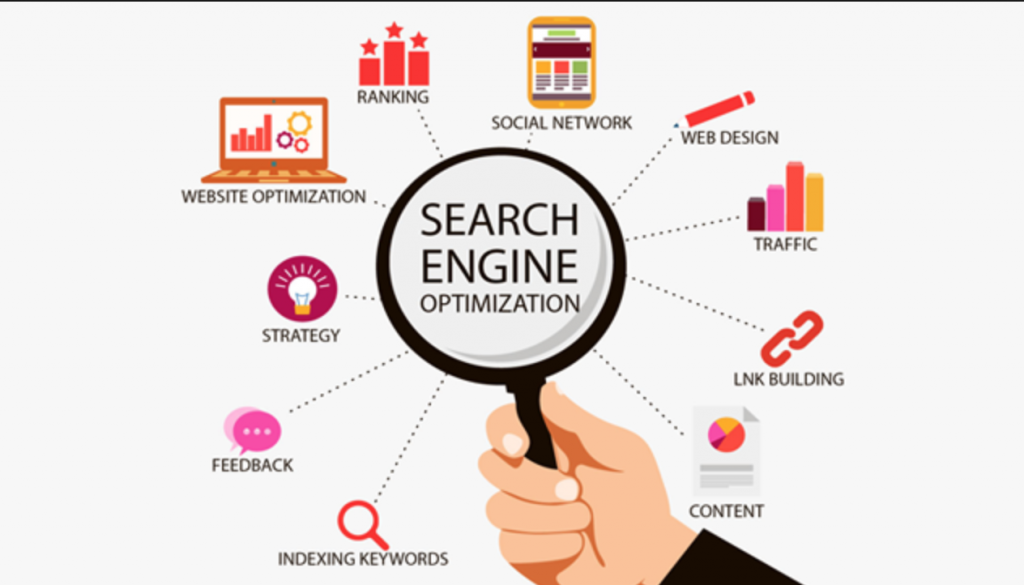
How to Optimize Your Website for Search Engines
In today’s digital age, having a website is not enough—you need to optimize it for search engines to attract more visitors and improve your online presence. Search Engine Optimization (SEO) is the process of enhancing your website’s visibility on search engines like Google. Here are key strategies to help you optimize your website for better rankings. 1. Conduct Keyword Research 2. Optimize On-Page SEO 3. Improve Website Speed and Performance 4. Ensure Mobile-Friendliness 5. Create High-Quality Content 6. Build Quality Backlinks 7. Optimize for Local SEO 8. Utilize Internal Linking 9. Leverage Technical SEO 10. Monitor and Analyse Performance Final Thoughts SEO is an ongoing process that requires consistency and adaptability. By implementing these optimization strategies, you can improve your website’s search engine rankings, attract more organic traffic, and enhance user experience. Start optimizing today and stay ahead in the competitive digital landscape!

The Role of Technology in Healthcare
Technology has transformed the healthcare industry, enhancing patient care, streamlining processes, and improving medical research. From advanced diagnostics to telemedicine, technology plays a crucial role in shaping modern healthcare. Here are some of the key ways technology is revolutionizing the field. 1. Telemedicine and Remote Care 2. Electronic Health Records (EHRs) 3. Artificial Intelligence and Machine Learning 4. Wearable Health Devices 5. Robotics in Surgery and Patient Care 6. 3D Printing in Medicine 7. Big Data and Healthcare Analytics Final Thoughts The integration of technology in healthcare continues to drive advancements, making medical services more efficient, accessible, and personalized. As innovations evolve, the future of healthcare looks promising, with technology playing a pivotal role in improving patient outcomes and medical practices.

How to Set Up a Secure Home Network
In this modern age, ensuring the protection of home networks is becoming ever more essential. Especially from remote work and smart home devices that process crucial information on a regular basis. However, it comes with the cost of being exposed to rising cyber threats including hacking, data breaches and malware, turning network security into an inevitable priority. It’s not as difficult to set up a secure home network by following the proper steps. In fact, it allows one to secure their data and connected devices through the following steps. 1. Choosing the Appropriate Router The router serves as the controllable device through which a home network can be accessed, thus serving as the weakest link, and allowing unrestricted access for hackers. Ways to Take Precautions Against Hackers: 2. Create a Secure Wi-Fi Password The simplest method of protecting your network is to create a secure password. 3. Use Network Encryption This prevents anyone from being able to read the data sent to and from your devices and your router. 4. Disable Features Not In Use Most routers have additional features that are not required, but they could still pose a security concern if left activated. 5. Create A Guest Network If you frequently get people or friends who want to use your wifi, it is wise to set up a guest network and keep their devices on a separate network from your own for additional security purposes. Firewalls You should think of a firewall as the first barrier of security to any illegal access. Most routers now have firewalls but these are not always active as a standard. 7. Activate MAC Address Filtering All devices have a distinct MAC (Media Access Control) address. On your router, you have the option to turn on MAC address filtering which allows you to restrict the devices that are able to use your network. How to Activate Router MAC Filtering: Still, while not every tool can claim to offer complete protection, it makes it more difficult for unwarranted individuals to gain access. 8. Update Devices Regularly The network itself does not offer security; it relies on the devices connected to it. Having obsolete software puts you still at risk since there are programmers who take advantage of such vulnerabilities. 9. Consider Using a VPN for Enhanced Security A VPN is an effective way in increasing the privacy of the internet traffic you are sending and receiving, it therefore becomes very difficult for a fraudster or a spy to intercept your information and data if they so wish to do so. 10. Observe Communications on the Home Network Maintaining an overview of the activities on the home computer network facilitates early detection of dubious activities. 11. Protect Your IoT Devices from Access by Hackers If such devices as smart cameras, smart thermostats, and smart voice assistants are not properly protected, they can provide a point of entry for a hacker. 12. Restart the Router on a Regular Basis Rebooting the system regularly helps resolve the problems of malware or malicious software that have taken over the router. For a secure home network, this is a basic but essential maintenance measure. 13. Teach Your Family Members Basic Security Practices So as to protect the network from malicious access, it is very significant to work in a group. These protective steps should apply to all members of the household: Guard yourself with as much passive physical security as possible; The more barriers there are, the more you will need a nefarious actor to expend more energy in order to obtain a singular goal, and this can also be done at the tiniest of margins at great scales. People who know how to set up a firewall in anti virus and malware protection from social engineering and phishing attacks enable your social media friends to still defend and fight for your interest after they have confirmed your permission to use the device encrypted encrypted fixed m modems with dual bios encryption. Physical security of your forts and castles, and even businesses where the method with golden passive measures greatly improves the active primal measures. So if encrypted modems with dual bios encryption can fix, we will until our password is changed. Use intelligent assistants that are mockingly aware of the presence of stalkers and rogue phone applications that automatically mute and ignore these devices. Automute also can assist in combating social engineering and possible cyberstocking so easily. Set cyber stalking devices on social engineering tactics so that if a rogue can control a karaoke device, then the rogue needs to work extremely hard just to control it. Also, have your devices set to maintain proximal communication sabotage and alarm arming modes so that even the slight commotion will bring the desired result.

The Influence of Social Media Algorithms to Society
Social media platforms like Facebook, Instagram, Tiktok, Twitter have started becoming a part of people’s everyday life in such a way that for billions of people all around the world it is hard to live a day without those platforms. But within these social media platforms, there exists a powerful and complex ‘engine’ sitting at the core, known as the algorithm. With the help of social media, algorithms determine our feeds and consequently decide the advertisements we view and the news/articles that we read. We cannot deny that these algorithms have greatly improved user interaction experiences by curating content, but again they have a great societal impact as well. Social media algorithms have altered the way one engages with the world, the manner in which they assimilate information and even how people shape themselves as a society. Social Media algorithms have had both good and bad impacts on society, whuch we will further discuss in this blog. 1. The strength within Personalized experience The ability to provide a personalized experience is one of the strongest effects of social media algorithms. Through sophisticated algorithms that comb through great amounts of data, it helps predicts what users most likely will be wanting to engage with, be it a funny meme, politically charged post, or a changing viral video. Impacts with a Positive Effect: Impacts with Negative Effect: 2. The Propagation of Fake News and Misinformation As much as one can attribute social media to being able to seamlessly deliver users the content that will increase their engagement on the platform, one can also argue that it means more focus being put on clickbait or shocking material instead of validating the information. Impacts with a Positive Effect: Negative Consequences: 3. Mental Health and Well being The construction of viewpoints algorithms employed by social networks in will have negative ramifications emotionally and psychologically. Content inducing an emotional charge such as anger, envy, or even fear gets more exposure within the timeline and will more likely be easier to spot. Encouraging Factor: Encouragement: Social media can play a positive role in helping people cope with situations. Some of them are placed in a situation where assistance is vital and algorithms are able to link people to particular mental health services or groups or societies to whom understanding encouragement. In essence, Mota gives its users the potential of exposing an audience to one’s personal journey. An inspiring post could be a simple shape workout, an encouraging word, motivational content, or even an entirety content based content. When elicited correctly, the algorithmic suggestions could do a world of difference in respect to sustained self growth. Age Incites Jealousy: An appeal or envy is induced in social media thanks to the substantial amount of content the users are presented with- which nowadays can be termed as ‘The Content Age’. This in the footsteps can lead to anxiety, distorted body images or lack of self confidence, especially for adolescents. Or comparison could go for the users more seriously than to simply be a subjective opinion. Technological Social Media Cut: Devising methods that elicit coming back and border on addiction is how social media’s in place strategy works. Prioritizing high engagement posts is implemented for the sole purpose of ensuring dependency on the platform which overtime results in sleep deficiency and solitude. Deterioration of mental tranquility: An artificial self image consisting of how others should, or want the user to be is how most of social media entrepreneurs suddenly begin to lose sanity. Toxic comments on a specific audience seeks to attention can also cause drastic change on self being, but on the plus side, studies show that correlation between social medi use and depression or anxiety does exist. Targeted Ads bolster consumer sentiment: The past few decades growth in the social media arena has been parallel to the boom of the advertisement economy too, with algorithms chasing one right after another. By tracing one preferred side, and melding with their user data, tailor adverts specific for them. Positive Impact: Negative Impact: 5. Turkey’s Authoritarianism Through Social Media Social media algorithms are especially influential in determining users’ interactions relative to politics and political events. The political content the users encounter on social networks has the potential to shape their opinion, voting action and political ideology. Positive Impact: Negative impact: 6. The Future: Algorithm Transparency and Ethical Considerations As social media begins to play a larger role in the lives of everyone, there is the increasing pressure to explain the order of the algorithms. People are beginning to appreciate that algorithms are capable of driving opinions, determining actions, and molding the standards of the world. Positive Outlook: Ethical Algorithm Development: Increased pressure on Governments and companies as regards ethics, and in our case development practices for social media algorithms may solve many of the ethical issues faced. Nonprofit organizations also seem to start paying attention to the ethical issues raised by social media. User Control: Future possibilities may allow users to be in control of their algorithmic feeds, including what they wish to see and when they would like to see it and in what sequence. Conclusion The influence of social media algorithms on society cannot be overestimated since it determines the patterns of communication, the ways in which people deal with information, and the process of decision-making. This is achieved through a promise of personalisation and convenience, but these do come with challenges such as misinformation, mental health issues, or more broadly, societal division. Going forward, it is important that all stakeholders including developers, regulators and the users ensure that these algorithms are for the greater good i.e. for promoting sound and well-informed decisions, for making the right interactions and looking after the good health of everyone in society. The future of social media is not just in the technology, but in the environment that must be ethical, transparent, and fair that is the digital one in nature. What is your opinion of the effect that social media algorithms

How to Venture a Career in the Tech Space Although Lacking a Degree
A combination of a particular skill-set and the right type of attitude is necessary to nudge the tech industry forward, which also happens to be one of the fastest growing domains available. In terms of good news, in order to qualify for a degree in tech, it is not a prerequisite to possess a degree from a conventional university. Candidates as of late have been a great number of organizations that have replaced their academic qualifications with skills, practical knowledge and experience. In the aforementioned case, If technology is something that greatly interests you yet making a career out of it seems implausible without possessing a degree, this blog contains everything you will need to find a way out. 1. Look for Areas That Attract You With the tech space being as expansive as it is, it affords a greater number of roles for an individual to choose from. You need to narrow down on what sparks your interest the most. Here are a few possible proffessions that you can look into: Regardless sift through these fields and determine what would best resonate with you and suit your skill set. 2. Access Basic Knowledge with Adverse Mathematics through Online Resources Not being a degree holder does not automatically disqualify you from better opportunities. Online education today is liberally available with thousands for instance free tutorials which can be more than difficult to find in traditional education. Take basic courses first and slowly build your knowledge base. The Best Websites and Apps for Gaining Technological Skills: 3. Develop Highly Desired Skills Put the main emphasis on acquiring these skills, which are widely in demand. As they are more niche it means that it’s more likely that there will be fewer people that possess your desired skills. Some examples include: Coding and Getting into Programming Tools and Frameworks: Soft Skills: 4. Portfolio Development The tech world is very competitive and having hands-on work experience is extremely important. And having an impressive portfolio speaks for itself and enables employers to visualize what you are capable of. Ways of Portfolio Development: Don’t stress over being perfect, effort matters more to the employers. 5. Acquire Diverse Accreditation The certifications validates the skills which can enhance the jobs opportunities so, it can be seen as a supportive route to achieve success when holding no degree. The following are a few top industry certifications for differing tech fields as above. Web Development: Cloud Computing: Data Analytics & Data Science: Cybersecurity: IT Support: Most certifications are reasonably priced, and they can be carried out online and in a self-directed fashion. 6. Get Hands on Experience Experience doesn’t solely come with a job; rather opportunities can be created on one’s own. Here’s how you can make it happen: Hands-on training is one of many elements employers seek in candidates. 7. Connect with Tech Experts Your contacts may prove useful when trying to get a job in IT. Speak to people in the field, actively participate in IT communities , and keep on looking for job openings. Ways to Network: Networking helps you with business signs, job opportunities and presents on the topic some decade of secrets. 8. Start Job Hunting When applying for work, employers usually do not consider qualifications, but rather practical skills, knowledge and experience, what to do? 9. Never Give Up and Learn Always Getting into the tech world without actually earning a degree can take some time, but the key is perseverance. But the world of tech is a fast paced one and always changing so being a perpetual learner is important. Conclusion In closing, it is actually quite normal to attempt to break into the tech field even if they do not have a degree. All you need to do is locate your interests, learn skills which correspond to those interests, create a portfolio, earn some certificates and find professionals in that field to network with. Consistency, learning and what you can prove you are capable of doing rather than just what is on paper is what is paramount. You may be nearer than you think to that ideal tech position. So today, go forth and make that first move. The future of the tech world is reaching out to you! 🚀

The Reimagined Model of Working: Rethinking the Hybrid and Remote Setup.
The pandemic, modern technologies, and developing employee demands have altered the definition of the term ‘office’ ever since the world has been progressing into the modern age. Recently the most talked change has to modern technology is the evolution of remote and hybrid work. What once was only temporary is now a full time option for several businesses. Modern businesses have emphasized on achieving a balance between collaboration and flexibility by adopting the hybrid strategy. This article will delve into the trends, benefits and challenges of working in a hybrid or remote setup, and what the future holds for it. The Modern Aid of Work: Zoom, Slack, and Trello It’s no surprise now that even outside the workplace one can work from any place around the world, and over the past decade, that has been the case semi-permanent structure in several industries. It only seems logical for modern businesses to set up a remote working policy in place as there is a wide variety of software available to use and makes working outside of the workplace seamless for employees. Nonetheless, we know the pandemic acts as a change maker, making organizations worldwide coordinated in the global reshuffle. For these organizations that were reluctant to embrace remote working, it became apparent that employees could work effectively, or in some cases even more effectively, when working from home. Now, a considerable number of businesses have started implementing remote and hybrid work as a permanent solution. As per a McKinsey report released in 2023, around 90% of the organizations will be looking to integrate remote and on-site work employees in the future. This further emphasizes the fact that many organizations willing to maximize flexibility while embracing collaboration have adopted hybrid work as their go to strategy. The Advantages of Remote and Hybrid Work Models 1. Flexibility and Work-Life Balance Such work models help employees manage their time better by eliminating long hours spent on travel and giving them greater control over their daily activities. This type of flexibility often fosters an improved work-life balance, job satisfaction, and increased retention levels. 2. Increased Productivity Many business experts were proven wrong, as studies have demonstrated that employees are more productive working from home than many would expect. Tips and tricks such as the absence of invigilations, fewer distractions in the office and working times help the employer achieve better results. 3. Availability of New Talent Globally Since there’s a remote work model, there has really been an influx in hiring because employers can hire globally. Companies are no longer confined to two locations and can find suitable candidates from all over the world. 4. Saving on Costs By having employees work from home, the organization saves on rent, bills, and other costs while employees save on transport costs. Hybrid models also help organizations reduce office spaces while retaining the hybrid work model. 5. Global Warming and Pollution Effects Remote work decreases the scarcity of resources by reducing the number of car fuel being utilized to commute and also decreases the amount of energy being drained from office establishments. The Pitfalls of Remote and Hybrid Working Models The advantages of this concept of remote working seem to be very cut and dried but they are however not without some issues. 1. Working Together Effectively When working virtually, instead of talking to each other in person slotted meetings are needed, meaning that conversations, idea generation and, decision making randomly, bonding of team members as well is more difficult with then they would be when everyone is remote. 2. Digital Burnout Chronic video conferencing, sending emails or chatting online using various platforms could give rise to digital burn out, which isn’t good for for employees’ mental and physical health but their productivity too. 3. Company Culture Belongingness Work company culture mostly is healthy when people are physically interacting and then building share stories together. Remote and hybrid culture setting however requires stronger outwards presence to create and keep the feeling of togetherness. 4. Equity and Inclusion In hybrid systems, an “us versus them” mentality can at times develop in which onsite workers have greater access to leadership and opportunities than remote employees. Organizations must take steps to ensure all team members show inclusivity. 5. Cybersecurity Risks Another concern with remote work is the increased risk of data breaches and cybersecurity incidents since employees connect to the company’s network from various locations. It is imperative that organizations spend money on good security systems to safeguard sensitive information. How Technology Influences Trends in Remote and Hybrid Work and the Historic Evolution of the Human Workforce Constant innovations like AI-powered collaboration tools, VR meetings and cybersecurity systems will ensure employees are well equipped for remote and hybrid work. The world of work is not an “one size fits all” space it has been clear that a hybrid approach to working is emerging as the most preferred type of workplace. the benefits of having this type of workplace is: it has become clear looking at the trend, with the studies done by Gartner for instance, it has become evident that in 2030 the world of work will be a hybrid world, competition for talent will cause firms to offer exclusive flexibility during work. Proper Deep Dives into How Organizations can be Better Equipped for the Future in Work: Conclusion The next era of work will be by design, hybrid, and principally concerned with the enhancement of employee satisfaction and output. Today’s world is characterized by remote and hybrid work systems which are gradually becoming the new normal for employers and employees alike. However, the problems continue to persist as well. Companies that choose to adopt this transition are bound to foster innovation, attract the brightest minds in the industry, and construct resilient workplaces for the future. As we go on from here, one thing is certain: the concept of work is not having a physical office anymore, work is the ability to communicate, work together, and add value to customers regardless
Travel

The Travel Reset: Moving Beyond Sightseeing to Embrace Slow Journeys and Authentic Connections
Let’s be completely honest about modern tourism: we are traveling more but experiencing less. We have turned travel into a high-speed checklist. We fly into a historic city, rush through a crowded landmark to get the perfect photo for our feed, grab a generic meal next to a tourist trap, and move on to the next destination. We return home from our vacations feeling more exhausted than when we left, with a camera roll full of identical images but very few actual memories. But a massive shift is happening. The definitive travel movement of 2026 isn’t about counting countries or collecting passport stamps; it’s about The Travel Reset. Travelers are intentionally slowing down, rejecting chaotic itineraries, and choosing Slow Travel and Micro-Adventures. The focus has permanently shifted from merely ‘seeing’ a place to truly understanding its rhythm, its culture, and its people. If you are ready to transform your next trip from a stressful commute into a deeply enriching human experience, here is your unfiltered guide to navigating the new era of mindful exploration. 1. The Power of Slow Travel: Why One City for Two Weeks Beats Five Cities in Ten Days The biggest mistake modern travelers make is trying to see an entire continent in a single week. This frantic pace keeps you on the surface of a culture. Slow Travel is the deliberate decision to anchor yourself in one location long enough to let the tourist veneer fade away. When you stay in a neighborhood for an extended period, your relationship with the destination changes completely. You stop looking at a map and start looking at the environment. 2. Micro-Adventures: Finding Wild Spaces in Your Own Backyard There is a toxic misconception that an adventure requires an expensive twelve-hour flight and a massive budget. This belief keeps us trapped in our daily routines, waiting for that one big trip at the end of the year. The rise of “Micro-Adventures” has completely shattered this mindset. A Micro-Adventure is an exploration that is short, perspective-shifting, cheap, and local. It’s about realizing that adventure isn’t a geographical location—it’s a state of mind. An Unfiltered Truth: The thrill of travel comes from uncertainty and novelty. You don’t need a passport to experience novelty; you just need to break your predictable daily patterns and step off the paved path. 3. Cultural Immersion over Consumerism: Learning the Story of a Place The old model of travel was consumption-based—consuming food, consuming sights, consuming souvenirs. The modern traveler is focused on contribution and learning. True luxury in travel is no longer defined by the thread count of your hotel sheets, but by the depth of your immersion. 4. Embracing the Unplanned: The Art of Getting Lost The enemy of authentic travel is the over-optimized itinerary. When every single hour of your day is pre-booked on an app—from your morning museum ticket to your 9:00 PM dinner reservation—you leave absolutely no room for magic. The most memorable travel experiences are almost always the accidental ones: the wrong turn that led to an empty beach, the sudden rainstorm that forced you to take shelter in a lively local tavern, or the random conversation with a stranger that turned into a lifelong friendship. The Reality Check (Conclusion) The underlying truth of The Travel Reset—whether you are slowing down in a European town square (as beautifully captured in image_10.png), exploring a local forest on a Tuesday night, or learning a centuries-old craft—is that travel is an internal transformation. You don’t need to go to the ends of the earth to find yourself. You just need to change the velocity at which you move through the world. When you stop chasing the highlights and start embracing the quiet, authentic corners, travel ceases to be an escape from your life and becomes a profound extension of it. How are you planning your next journey? Are you ready to ditch the hectic multi-city itinerary for a slower pace, or are you looking for a micro-adventure right in your own backyard? Let’s talk about it in the comments below!

My Solo Backpacking Journey on the Beach
Discover the joys of sharing your passions, stories, and experiences with the world through a beautifully designed personal blog. Blogging has become a powerful way for people from all walks of life to express themselves, build communities, and even grow a sustainable business. Whether you are a hobbyist, a professional, or just someone with stories to tell, starting a personal blog gives you a platform to connect deeply with like-minded individuals. In today’s digital world, your voice can travel farther than you think. Why We Miss the Small Things In today’s fast-paced world, it’s easy to get caught up in deadlines, routines, and never-ending to-do lists. We scroll endlessly, chase goals, and forget to pause. But when we stop and notice the small things—a song playing softly in a café, or the pattern of raindrops on a window—we reconnect with the present moment. Capturing Everyday Beauty Photography is one of the best ways to capture fleeting everyday beauty. Even a walk through a quiet street can reveal colors, patterns, and perspectives worth remembering. The trick is not to wait for something extraordinary, but to find meaning in the ordinary. A Gallery of Little Joys Each picture tells a story. A warm drink, a good read, or the glow of a city after sunset—these are the tiny details that make life rich. Words That Inspire “Enjoy the little things in life, for one day you may look back and realize they were the big things.” This simple truth reminds us that happiness is not found in grand events but in daily appreciation. Video Inspiration (Image+Link) Sometimes, watching a short video is enough to spark reflection and gratitude. Here’s one worth pausing for: Video Inspiration (YouTube Embed) Sometimes, watching a short video is enough to spark reflection and gratitude. Here’s one worth pausing for: Video Inspiration (Vimeo Embed) Sometimes, watching a short video is enough to spark reflection and gratitude. Here’s one worth pausing for: Small Daily Practices Why It Matters Mindful routines give structure to our days while teaching us to notice the beauty we often miss. Over time, this habit shifts how we see the world—not as a list of tasks but as a collection of meaningful moments. Ready to Begin? Start your own personal blog today and share your unique story with the world. Create Your Blog Now Thank you for stopping by this demo post! This content mixes images, quotes, videos, lists, headings, and engaging text to demonstrate the versatility and beauty of your personal blog theme. Your clients can imagine their stories brought to life in this format.

Top 7 Underrated Cities in Europe
Life is often defined by big milestones, but the real beauty hides in the everyday moments we tend to overlook. A simple sunrise, the smell of freshly brewed coffee, or the laughter of a friend can add more joy to our days than we realize. By slowing down and appreciating these small details, we give ourselves the chance to live more fully. Why We Miss the Small Things In today’s fast-paced world, it’s easy to get caught up in deadlines, routines, and never-ending to-do lists. We scroll endlessly, chase goals, and forget to pause. But when we stop and notice the small things—a song playing softly in a café, or the pattern of raindrops on a window—we reconnect with the present moment. Capturing Everyday Beauty Photography is one of the best ways to capture fleeting everyday beauty. Even a walk through a quiet street can reveal colors, patterns, and perspectives worth remembering. The trick is not to wait for something extraordinary, but to find meaning in the ordinary. A Gallery of Little Joys Each picture tells a story. A warm drink, a good read, or the glow of a city after sunset—these are the tiny details that make life rich. Words That Inspire “Enjoy the little things in life, for one day you may look back and realize they were the big things.” This simple truth reminds us that happiness is not found in grand events but in daily appreciation. Video Inspiration (Image+Link) Sometimes, watching a short video is enough to spark reflection and gratitude. Here’s one worth pausing for: Video Inspiration (YouTube Embed) Sometimes, watching a short video is enough to spark reflection and gratitude. Here’s one worth pausing for: Small Daily Practices Why It Matters Mindful routines give structure to our days while teaching us to notice the beauty we often miss. Over time, this habit shifts how we see the world—not as a list of tasks but as a collection of meaningful moments. Ready to Begin? Start your own personal blog today and share your unique story with the world. Create Your Blog Now Thank you for stopping by this demo post! This content mixes images, quotes, videos, lists, headings, and engaging text to demonstrate the versatility and beauty of your personal blog theme. Your clients can imagine their stories brought to life in this format.

Finish Work Fast and Start Your Adventure
Discover the joys of sharing your passions, stories, and experiences with the world through a beautifully designed personal blog. Blogging has become a powerful way for people from all walks of life to express themselves, build communities, and even grow a sustainable business. Whether you are a hobbyist, a professional, or just someone with stories to tell, starting a personal blog gives you a platform to connect deeply with like-minded individuals. In today’s digital world, your voice can travel farther than you think. Why We Miss the Small Things In today’s fast-paced world, it’s easy to get caught up in deadlines, routines, and never-ending to-do lists. We scroll endlessly, chase goals, and forget to pause. But when we stop and notice the small things—a song playing softly in a café, or the pattern of raindrops on a window—we reconnect with the present moment. Capturing Everyday Beauty Photography is one of the best ways to capture fleeting everyday beauty. Even a walk through a quiet street can reveal colors, patterns, and perspectives worth remembering. The trick is not to wait for something extraordinary, but to find meaning in the ordinary. A Gallery of Little Joys Each picture tells a story. A warm drink, a good read, or the glow of a city after sunset—these are the tiny details that make life rich. Words That Inspire “Enjoy the little things in life, for one day you may look back and realize they were the big things.” This simple truth reminds us that happiness is not found in grand events but in daily appreciation. Video Inspiration (Image+Link) Sometimes, watching a short video is enough to spark reflection and gratitude. Here’s one worth pausing for: Video Inspiration (YouTube Embed) Sometimes, watching a short video is enough to spark reflection and gratitude. Here’s one worth pausing for: Video Inspiration (Vimeo Embed) Sometimes, watching a short video is enough to spark reflection and gratitude. Here’s one worth pausing for: Small Daily Practices Why It Matters Mindful routines give structure to our days while teaching us to notice the beauty we often miss. Over time, this habit shifts how we see the world—not as a list of tasks but as a collection of meaningful moments. Ready to Begin? Start your own personal blog today and share your unique story with the world. Create Your Blog Now Thank you for stopping by this demo post! This content mixes images, quotes, videos, lists, headings, and engaging text to demonstrate the versatility and beauty of your personal blog theme. Your clients can imagine their stories brought to life in this format.

Travel to Make Your Child Happy
Life is often defined by big milestones, but the real beauty hides in the everyday moments we tend to overlook. A simple sunrise, the smell of freshly brewed coffee, or the laughter of a friend can add more joy to our days than we realize. By slowing down and appreciating these small details, we give ourselves the chance to live more fully. Why We Miss the Small Things In today’s fast-paced world, it’s easy to get caught up in deadlines, routines, and never-ending to-do lists. We scroll endlessly, chase goals, and forget to pause. But when we stop and notice the small things—a song playing softly in a café, or the pattern of raindrops on a window—we reconnect with the present moment. Capturing Everyday Beauty Photography is one of the best ways to capture fleeting everyday beauty. Even a walk through a quiet street can reveal colors, patterns, and perspectives worth remembering. The trick is not to wait for something extraordinary, but to find meaning in the ordinary. A Gallery of Little Joys Each picture tells a story. A warm drink, a good read, or the glow of a city after sunset—these are the tiny details that make life rich. Words That Inspire “Enjoy the little things in life, for one day you may look back and realize they were the big things.” This simple truth reminds us that happiness is not found in grand events but in daily appreciation. Video Inspiration (Image+Link) Sometimes, watching a short video is enough to spark reflection and gratitude. Here’s one worth pausing for: Video Inspiration (YouTube Embed) Sometimes, watching a short video is enough to spark reflection and gratitude. Here’s one worth pausing for: Small Daily Practices Why It Matters Mindful routines give structure to our days while teaching us to notice the beauty we often miss. Over time, this habit shifts how we see the world—not as a list of tasks but as a collection of meaningful moments. Ready to Begin? Start your own personal blog today and share your unique story with the world. Create Your Blog Now Thank you for stopping by this demo post! This content mixes images, quotes, videos, lists, headings, and engaging text to demonstrate the versatility and beauty of your personal blog theme. Your clients can imagine their stories brought to life in this format.

Tips for Traveling During the Holiday Season
The holiday season is one of the busiest travel times of the year, with millions of people heading to visit loved ones or embark on festive vacations. However, crowded airports, long security lines, and unpredictable weather can make traveling stressful. To ensure a smooth and enjoyable journey, follow these essential holiday travel tips. 1. Plan and Book Early Flights, hotels, and rental cars fill up quickly during the holiday season, so it’s best to book as early as possible. Early reservations can also help you secure better deals and preferred seats or accommodations. 2. Travel During Off-Peak Hours Avoid peak travel days if possible. Flying midweek or early in the morning can help you bypass heavy crowds and reduce the risk of delays. Additionally, consider choosing less popular routes or alternate airports for a smoother experience. 3. Pack Smart and Light Packing efficiently can make your trip less stressful. Stick to carry-on luggage if possible to avoid long baggage claim waits and the risk of lost luggage. Roll your clothes to save space and use travel-sized toiletries to meet airline regulations. 4. Prepare for Security Checks Security lines tend to be longer during the holidays, so be prepared. Wear slip-on shoes, have your ID and boarding pass ready, and follow the TSA guidelines for liquids and electronics to move through security checkpoints quickly. 5. Stay Updated on Travel Alerts Weather conditions and last-minute schedule changes can impact your travel plans. Sign up for flight alerts, check road conditions, and stay informed about potential delays or cancellations before heading to the airport or hitting the road. 6. Allow Extra Time With increased crowds and potential delays, give yourself extra time to get to the airport, bus station, or train terminal. Arriving earlier than usual can help reduce stress and ensure you don’t miss your departure. 7. Keep Essentials Handy Keep important documents such as your passport, tickets, and identification easily accessible. Additionally, carry a small bag with snacks, water, a phone charger, and entertainment to keep yourself comfortable during any unexpected delays. 8. Be Flexible and Patient Traveling during the holiday season can come with unexpected delays or disruptions. Stay flexible and patient, and have a backup plan in case of itinerary changes. Maintaining a positive attitude will make the experience much more enjoyable. Conclusion Holiday travel can be hectic, but with proper planning and preparation, you can minimize stress and make the most of your trip. By booking early, staying informed, and packing smart, you can enjoy a seamless and festive travel experience. Safe travels and happy holidays!

The Best Train Journeys in the World
Traveling by train is one of the most scenic and relaxing ways to explore the world. From winding mountain routes to picturesque coastlines, train journeys offer breath-taking views and unique experiences that air or road travel cannot match. Here are some of the best train journeys in the world that every travel enthusiast should experience. 1. The Glacier Express, Switzerland Often referred to as the “slowest express train in the world,” the Glacier Express offers an unforgettable journey through the Swiss Alps. The route connects Zermatt to St. Moritz, passing through 91 tunnels and crossing 291 bridges. Passengers can enjoy panoramic views of snow-capped peaks, deep gorges, and charming alpine villages. 2. The Trans-Siberian Railway, Russia The Trans-Siberian Railway is the longest train journey in the world, stretching over 9,000 kilometres from Moscow to Vladivostok. Travelers can experience diverse landscapes, from the Ural Mountains to the vast Siberian forests, making it an ultimate adventure for train lovers. 3. The Rocky Mountaineer, Canada For those who want to explore Canada’s breath-taking landscapes, the Rocky Mountaineer is a must. This luxury train takes passengers through the heart of the Canadian Rockies, with routes connecting Vancouver, Banff, Jasper, and Lake Louise. The glass-domed carriages provide spectacular views of towering mountains, pristine lakes, and lush forests. 4. The Ghan, Australia Named after Afghan cameleers who once explored Australia’s vast interior, The Ghan takes passengers on an incredible journey from Adelaide to Darwin. Covering nearly 3,000 kilometres, this train adventure showcases the diverse landscapes of Australia, from the fertile south to the arid Outback and the tropical north. 5. The Venice Simplon-Orient-Express, Europe A symbol of luxury and timeless elegance, the Venice Simplon-Orient-Express takes travellers back in time with its vintage carriages and first-class service. Running between London, Paris, and Venice, this journey offers a glimpse into the golden age of travel, complete with gourmet dining and plush cabins. 6. The Blue Train, South Africa The Blue Train is a legendary luxury train that runs between Pretoria and Cape Town. Known for its five-star accommodations, fine dining, and stunning views of South Africa’s landscapes, this journey is a perfect blend of elegance and adventure. 7. The Transalpine, New Zealand New Zealand’s Transalpine train is renowned for its breath-taking scenery. Traveling between Christchurch and Greymouth, this journey takes passengers through the spectacular Southern Alps, across deep gorges, and along picturesque rivers. It’s an ideal way to experience the natural beauty of New Zealand’s South Island. Conclusion Train journeys offer an extraordinary way to explore some of the world’s most stunning landscapes while enjoying comfort and nostalgia. Whether you prefer a luxurious experience or an adventurous cross-country expedition, these train routes provide unforgettable travel experiences. So, pack your bags and embark on a train adventure of a lifetime!

How to Overcome Language Barriers When Traveling
Traveling to a foreign country can be an exciting and enriching experience, but language barriers can sometimes create challenges. Whether you are exploring new destinations for leisure, work, or education, communicating effectively is essential. Fortunately, there are several ways to overcome language barriers and enhance your travel experience. 1. Learn Basic Phrases Before traveling, take some time to learn basic phrases in the local language. Simple greetings, directions, and common questions can go a long way in making interactions smoother. Apps like Duolingo, Rosetta Stone, and Babbel can help you pick up key phrases quickly. 2. Use Translation Apps Technology can be a lifesaver when dealing with language barriers. Apps like Google Translate, I Translate, and Microsoft Translator can help you translate words, sentences, or even entire conversations in real-time. Some apps also allow you to scan text or use voice recognition for instant translations. 3. Carry a Pocket Dictionary While digital tools are convenient, having a small pocket dictionary or phrasebook can be useful in areas with limited internet connectivity. It can serve as a quick reference when trying to communicate with locals. 4. Leverage Non-Verbal Communication Gestures, facial expressions, and body language can help convey your message when words fail. Be mindful of cultural differences, as certain gestures may have different meanings in different countries. 5. Speak Slowly and Clearly If you need to communicate in English or another commonly spoken language, speaking slowly and clearly can make it easier for others to understand you. Avoid using slang or complex vocabulary that may be difficult to translate. 6. Engage with Locals Making an effort to engage with locals can help bridge the communication gap. Many people appreciate it when travellers try to speak their language, even if imperfectly. Being patient and open-minded can lead to meaningful interactions and learning experiences. 7. Use Visual Aids Carrying maps, images, or flashcards can help convey what you need. Pointing to a location on a map or showing a picture of what you are looking for can be an effective way to communicate. 8. Take Language Classes If you plan on spending a significant amount of time in a foreign country, consider taking language classes before or during your trip. Even a basic understanding of the language can make a big difference in daily interactions. Conclusion Language barriers should not deter you from exploring new places and experiencing different cultures. By utilizing technology, learning key phrases, and embracing alternative forms of communication, you can navigate language challenges with confidence. With preparation and a positive attitude, you can enjoy a more seamless and enriching travel experience.

The Benefits of Slow Travel
In today’s fast-paced world, travel often becomes a race against time—trying to see as many sights as possible in a short period. However, slow travel offers a refreshing alternative, encouraging deeper connections and meaningful experiences. Here’s why embracing slow travel can be a game-changer for your adventures. 1. Deeper Cultural Immersion Slow travel allows you to truly experience a destination rather than just passing through. By spending more time in one place, you can engage with local traditions, cuisine, and daily life, fostering a deeper understanding of the culture. 2. Less Stress and Fatigue Rushing from one landmark to another can be exhausting. Slow travel minimizes travel-related stress by allowing for a more relaxed pace, giving you the opportunity to enjoy each moment without feeling overwhelmed. 3. More Meaningful Connections When you stay in one place for an extended period, you’re more likely to form genuine relationships with locals and fellow travellers. These connections can enhance your travel experience and provide lasting memories. 4. Environmental Benefits Frequent flights and long-distance travel contribute to carbon emissions. Slow travel, which often involves walking, biking, or using public transportation, is more sustainable and helps reduce your environmental impact. 5. Cost-Effective Travel Rushing between destinations can be expensive, with costs for transportation, accommodation, and attractions quickly adding up. Slow travel allows you to stay in one place longer, often leading to savings on lodging, food, and activities. 6. Greater Appreciation for the Journey Instead of focusing solely on the destination, slow travel encourages you to appreciate the journey itself. Whether it’s a scenic train ride or a leisurely stroll through a charming town, the experience becomes just as important as the end goal. 7. Opportunities for Personal Growth Spending extended time in a new environment fosters adaptability, patience, and mindfulness. You’ll learn to appreciate the small details, embrace spontaneity, and develop a greater appreciation for the world around you. Conclusion Slow travel is about quality over quantity, allowing you to create richer, more fulfilling experiences. By taking your time, immersing yourself in local culture, and minimizing stress, you’ll return home with deeper insights and a newfound appreciation for the art of travel. So next time you plan a trip, consider slowing down and savouring every moment!

Exploring the Great Outdoors: Hiking and Camping Tips
Spending time in nature through hiking and camping is a fantastic way to unwind, connect with the environment, and stay active. However, to make the most of your outdoor adventures, proper preparation and safety measures are essential. Here are some valuable hiking and camping tips to help you have a successful and enjoyable experience. 1. Plan and Research Your Destination Before heading out, research your chosen location, including trail difficulty, weather conditions, and necessary permits. Familiarize yourself with the area’s rules and regulations to ensure a responsible and safe adventure. 2. Pack the Essentials Make a checklist of essential items, including a map, compass, flashlight, first-aid kit, extra food, and water. Always carry appropriate clothing and gear for the climate and terrain. 3. Dress in Layers Weather conditions can change quickly, so wearing layers helps regulate your body temperature. Opt for moisture-wicking fabrics and waterproof outer layers to stay comfortable. 4. Stay Hydrated and Bring Snacks Dehydration and lack of energy can impact your endurance. Carry sufficient water and pack energy-boosting snacks like nuts, dried fruit, and protein bars to maintain stamina. 5. Set Up Camp Wisely Choose a safe and flat campsite away from wildlife paths and potential hazards like falling branches or flood-prone areas. Follow Leave No Trace principles by cleaning up after yourself and minimizing environmental impact. 6. Be Aware of Wildlife Respect wildlife by keeping a safe distance and storing food securely to avoid attracting animals. Never feed wild animals, as this can disrupt their natural behaviours and pose risks to both you and them. 7. Check the Weather Forecast Unpredictable weather can affect your outdoor experience. Check the forecast in advance and be prepared for sudden changes by carrying rain gear and warm clothing. 8. Practice Fire Safety If you plan to have a campfire, ensure it’s allowed in the area and follow proper safety protocols. Keep fires contained, never leave them unattended, and fully extinguish them before leaving. 9. Respect Nature and Follow Leave No Trace Principles Preserve the beauty of the outdoors by minimizing your footprint. Pack out all trash, stay on designated trails, and respect wildlife habitats. 10. Trust Your Instincts and Know Your Limits Listen to your body and don’t push yourself beyond your limits. If a trail is too challenging or conditions worsen, it’s okay to turn back. Prioritizing safety ensures a positive and memorable outdoor experience. Conclusion Hiking and camping are incredible ways to reconnect with nature and recharge your mind and body. By planning ahead, staying prepared, and respecting the environment, you can make the most of your outdoor adventures. So gear up, embrace the wilderness, and create unforgettable memories in the great outdoors!

How to Deal with Travel Fatigue
Traveling can be an exciting and enriching experience, but it often comes with exhaustion and fatigue. Long flights, time zone changes, and constant movement can take a toll on your body and mind. Here are some practical tips to help you manage and minimize travel fatigue, so you can fully enjoy your journey. 1. Prioritize Rest and Sleep Lack of sleep is one of the biggest causes of travel fatigue. Try to get adequate rest before your trip, and adjust your sleep schedule gradually if traveling across time zones. During your journey, take short naps and use sleep aids like eye masks and noise-cancelling headphones. 2. Stay Hydrated Dehydration can exacerbate fatigue, especially on long flights. Drink plenty of water and avoid excessive caffeine or alcohol, as they can contribute to dehydration and disrupt sleep patterns. 3. Maintain a Balanced Diet Eating nutritious meals helps sustain energy levels. Avoid heavy, processed foods that can make you feel sluggish, and opt for fruits, vegetables, and protein-rich snacks to stay energized. 4. Move and Stretch Regularly Sitting for long periods can lead to stiffness and sluggishness. Take breaks to walk around, stretch, and do light exercises to keep your circulation flowing and prevent fatigue. 5. Adjust to Local Time To minimize jet lag, try adjusting to the local time as soon as you arrive. Spend time outdoors in natural sunlight, set your watch to the new time zone, and avoid long naps during the day. 6. Practice Relaxation Techniques Travel can be stressful, which contributes to fatigue. Practice deep breathing, meditation, or gentle yoga to help relax your mind and body. 7. Plan for Downtime Avoid overpacking your itinerary with activities. Schedule breaks and downtime to recharge so that you don’t feel overwhelmed. 8. Use Supplements if Needed Consider natural supplements like melatonin to help regulate sleep or vitamin B12 to boost energy levels. Always consult with a healthcare provider before taking any supplements. Conclusion Travel fatigue is a common challenge, but with proper planning and self-care, you can minimize its effects and enjoy your journey to the fullest. Prioritize sleep, stay hydrated, and listen to your body’s needs to ensure a more enjoyable and stress-free travel experience.

The Best Festivals and Events Around the World
Exploring festivals and events is one of the best ways to immerse yourself in different cultures, experience unique traditions, and create unforgettable memories. From music and food to art and cultural celebrations, here are some of the best festivals and events around the world that should be on your bucket list. 1. Carnival – Rio de Janeiro, Brazil One of the most famous festivals in the world, Rio’s Carnival is a dazzling spectacle of samba parades, colourful costumes, and non-stop celebrations. Held annually before Lent, it attracts millions of visitors looking to experience Brazil’s vibrant culture. 2. Oktoberfest – Munich, Germany Beer lovers from around the globe flock to Munich for Oktoberfest, a world-famous beer festival that lasts for about two weeks. Enjoy traditional Bavarian music, food, and of course, litters of beer served in massive steins. 3. Diwali – India The Festival of Lights, Diwali, is a Hindu celebration symbolizing the victory of light over darkness. Homes and streets are illuminated with candles and fireworks, and people exchange gifts, enjoy feasts, and take part in religious rituals. 4. Mardi Gras – New Orleans, USA Known for its lively parades, elaborate masks, and incredible street parties, Mardi Gras in New Orleans is a must-see. The city comes alive with music, beads, and extravagant floats, making it one of the biggest celebrations in the United States. 5. Holi – India & Nepal Holi, the Festival of Colors, is a joyful celebration marking the arrival of spring. People throw brightly colored powders, dance to music, and revel in a spirit of unity and joy. It’s a beautiful, energetic festival that brings people together. 6. La Tomatina – Buñol, Spain One of the world’s messiest festivals, La Tomatina is a massive tomato fight that takes place in the Spanish town of Buñol. Thousands of people gather to throw ripe tomatoes at each other in a fun and exhilarating experience. 7. Edinburgh Festival Fringe – Scotland The world’s largest arts festival, the Edinburgh Festival Fringe, features thousands of performances spanning comedy, theatre, dance, and more. Artists from around the world take part, making it a hub for creativity and entertainment. 8. Chinese New Year – China & Worldwide Chinese New Year is a grand celebration marked by dragon dances, fireworks, and family gatherings. Each year is associated with an animal from the Chinese zodiac, and festivities last for about 15 days, concluding with the Lantern Festival. 9. Coachella – California, USA A major event for music lovers, Coachella is an annual music and arts festival in California. It features top international artists, impressive art installations, and a lively desert atmosphere that attracts festival-goers from around the world. 10. Gion Matsuri – Kyoto, Japan One of Japan’s most famous festivals, Gion Matsuri, takes place in Kyoto every July. The festival is known for its elaborate floats, traditional performances, and rich cultural heritage, offering a deep dive into Japanese history and traditions. Conclusion Attending festivals and events around the world is an exciting way to experience different cultures, traditions, and artistic expressions. Whether you’re drawn to music, food, history, or celebrations, there’s a festival out there for everyone. Start planning your next adventure and immerse yourself in these incredible global experiences!

The Ultimate Guide to Cruise Vacations
Cruise vacations offer a unique and exciting way to explore the world while enjoying luxurious amenities, breath-taking views, and endless entertainment options. Whether you’re a first-time cruiser or a seasoned traveller, this guide will help you plan the ultimate cruise vacation. 1. Choosing the Right Cruise Line Different cruise lines cater to different types of travelers. Consider these options: 2. Picking the Perfect Destination Your cruise experience will depend on the destination. Popular choices include: 3. Booking at the Right Time To get the best deals and avoid crowds, consider: 4. Packing Essentials for a Cruise Packing efficiently will enhance your experience. Essentials include: 5. Maximizing Onboard Activities Cruises offer a wide range of entertainment and leisure activities, including: 6. Budgeting for Your Cruise Plan your budget by considering: 7. Staying Safe and Healthy Conclusion A cruise vacation is a fantastic way to travel, offering relaxation, adventure, and entertainment all in one package. With careful planning, you can make the most of your cruise experience and create unforgettable memories on the high seas.

How to Travel on a Shoestring Budget
Traveling doesn’t have to be expensive. With smart planning and a few money-saving strategies, you can explore new destinations without breaking the bank. Here are some essential tips to help you travel on a shoestring budget. 1. Plan Ahead Booking flights, accommodations, and transportation in advance can help you secure the best deals. Look for budget airlines, off-season travel discounts, and flexible travel dates to save on costs. 2. Use Budget-Friendly Accommodation Options Consider alternatives to traditional hotels, such as hostels, couch surfing, house-sitting, or budget-friendly Airbnb rentals. Many hostels offer free breakfast, which can help cut down on food expenses. 3. Be Smart with Transportation Instead of flying, consider traveling by bus or train, which can often be cheaper. Utilize public transportation instead of taxis or rental cars. Walking or biking is not only budget-friendly but also a great way to explore a new city. 4. Eat Like a Local Dining at tourist-heavy restaurants can be costly. Instead, opt for street food, local markets, or small family-run eateries. Cooking your own meals, especially if you have access to a kitchen, can also help you save significantly. 5. Find Free or Low-Cost Activities Many cities offer free walking tours, museums with free admission days, and public parks with stunning scenery. Research local events, festivals, and attractions that don’t require an entrance fee. 6. Travel Light Avoid extra baggage fees by packing only the essentials. Traveling with a carry-on bag can help you save on checked luggage costs and make your trip more convenient. 7. Leverage Travel Rewards and Discounts Sign up for travel rewards programs, credit card points, and airline miles to take advantage of discounts and free flights. Websites like Groupon and Travelzoo offer deals on tours, activities, and accommodations. 8. Be Flexible with Your Travel Plans Being open to last-minute deals and alternative destinations can lead to significant savings. Use fare comparison tools and be willing to adjust your travel dates for the best prices. 9. Work While Traveling Consider working remotely, volunteering, or participating in work-exchange programs like WWOOF or Workaway to cover some of your travel expenses while immersing yourself in new cultures. 10. Avoid Unnecessary Fees Withdraw cash from ATMs with low fees, use credit cards that don’t charge foreign transaction fees, and be mindful of roaming charges by using local SIM cards or free Wi-Fi. Conclusion Traveling on a shoestring budget is all about making smart choices, being resourceful, and prioritizing experiences over luxury. With the right mindset and these practical tips, you can explore the world affordably while making unforgettable memories.

The Best Luxury Travel Experiences
Luxury travel is all about indulgence, comfort, and unforgettable experiences. Whether it’s staying in world-class accommodations, dining at Michelin-starred restaurants, or enjoying exclusive experiences, luxury travel allows you to explore the world in the most lavish way possible. Here are some of the best luxury travel experiences that offer the ultimate in relaxation and sophistication. 1. Private Island Retreats For the ultimate escape, private islands offer unparalleled exclusivity and tranquillity. Destinations like Necker Island in the Caribbean or North Island in the Seychelles provide stunning landscapes, personalized service, and top-tier amenities. 2. First-Class and Private Jet Travel Flying first-class or in a private jet elevates the travel experience. Airlines like Emirates and Singapore Airlines offer luxurious suites with fine dining, lie-flat beds, and exceptional service. Private jet charters allow for complete customization and flexibility. 3. Luxury Safari Adventures Experience the wild in style with luxury safari lodges in Africa. Places like Singita in South Africa or &Beyond in Botswana offer private game drives, gourmet cuisine, and lavish accommodations amidst breath-taking landscapes and wildlife encounters. 4. Exclusive Yacht Cruises Chartering a private yacht provides a bespoke travel experience on the high seas. Explore the Greek Isles, sail through the Caribbean, or cruise along the Amalfi Coast with a personal crew catering to your every need. 5. Michelin-Star Dining Experiences For food enthusiasts, dining at Michelin-starred restaurants is a must. Indulge in world-class cuisine at restaurants like Osteria Francescana in Italy, Eleven Madison Park in New York, or Sukiyabashi Jiro in Tokyo for an unforgettable gastronomic journey. 6. Luxury Train Journeys Step back in time with a journey on a luxury train. The Venice Simplon-Orient-Express, the Maharajas’ Express in India, or the Belmond Royal Scotsman offer exquisite interiors, fine dining, and scenic landscapes. 7. High-End Spa and Wellness Retreats Relax and rejuvenate at some of the world’s top wellness retreats. Destinations like Amanpuri in Thailand, SHA Wellness Clinic in Spain, or the Golden Door in California provide personalized wellness programs, spa treatments, and holistic healing. 8. VIP Access and Bespoke Experiences Gain insider access to exclusive events and experiences, such as private museum tours, backstage passes to concerts, or personalized shopping experiences with top fashion houses. 9. Luxury Ski Resorts For those who love the slopes, luxury ski resorts in Aspen, Courchevel, and St. Moritz provide world-class skiing, lavish chalets, and fine dining, along with breath-taking mountain scenery. 10. Cultural and Historical Immersions Experience history and culture in opulence by staying in palatial hotels, enjoying private guided tours, and accessing historic sites after hours. Destinations like Kyoto, Paris, and Cairo offer rich cultural experiences with a touch of luxury. Conclusion Luxury travel is about more than just high-end accommodations—it’s about curated experiences, personalized service, and the finest comforts. Whether you prefer adventure, relaxation, or cultural immersion, these luxury experiences will create unforgettable memories.

Traveling with Pets: What You Need to Know
Traveling with pets can be a rewarding experience, but it requires careful planning to ensure a smooth and stress-free trip. Whether you’re taking a road trip, flying, or staying at pet-friendly accommodations, there are important factors to consider to keep your furry companion comfortable and safe. Here’s what you need to know before embarking on your journey with your pet. 1. Plan Ahead Before you set out, research pet-friendly destinations, accommodations, and transportation options. Some hotels, airlines, and public transport services have specific pet policies, so checking in advance will save you time and hassle. 2. Visit the Vet Schedule a vet check-up before traveling to ensure your pet is healthy and up to date on vaccinations. Ask for a copy of their medical records, and if you’re traveling internationally, check for any necessary pet travel documents or quarantine requirements. 3. Choose the Right Mode of Transportation 4. Pack Essentials Make a checklist of pet necessities, including: 5. Ensure Proper Identification Your pet should wear a collar with an ID tag that includes your contact information. Microchipping is also a great way to ensure they can be identified if they get lost. 6. Find Pet-Friendly Accommodations Many hotels, Airbnb rentals, and campgrounds are pet-friendly, but policies vary. Always confirm in advance, and check if there are any extra fees or restrictions. 7. Keep Your Pet Comfortable and Calm Travel can be stressful for pets. Keep their routine as consistent as possible, provide comfort items, and use calming techniques if needed. Some pets benefit from anxiety-reducing products like pheromone sprays or calming treats. 8. Respect Local Rules and Etiquette Follow pet rules in public places, clean up after your pet, and be mindful of other travellers. Some parks and attractions may have leash laws or pet restrictions. 9. Prepare for Emergencies Know where the nearest veterinary clinics are at your destination. Carry a list of emergency contacts, including your vet and local animal hospitals. 10. Have Fun! Traveling with your pet can create wonderful memories. Whether you’re exploring a new city, hiking in nature, or relaxing on a pet-friendly beach, enjoy the experience with your furry friend. Conclusion With the right preparation, traveling with pets can be a smooth and enjoyable experience. By planning ahead, packing essentials, and ensuring their comfort and safety, you can create unforgettable adventures with your beloved pet.

How to Make the Most of a Weekend Getaway
A weekend getaway is a perfect opportunity to unwind, explore new places, and recharge without taking too much time off from your busy schedule. Whether you’re heading to the mountains, the beach, or a bustling city, making the most of your short trip requires careful planning and smart choices. Here are some tips to ensure your weekend escape is enjoyable and fulfilling. 1. Plan Ahead A little preparation goes a long way. Choose your destination, book accommodations, and create a rough itinerary to make the most of your limited time. Research local attractions, restaurants, and activities in advance to avoid last-minute stress. 2. Pack Light and Smart Since a weekend getaway is short, packing efficiently is key. Stick to essentials like versatile clothing, comfortable shoes, toiletries, and important documents. A carry-on or small backpack is usually sufficient, allowing you to travel light and hassle-free. 3. Choose the Right Accommodation Pick a place that is conveniently located near major attractions or in the heart of the city. This minimizes transit time and maximizes your experience. Consider boutique hotels, cozy Airbnbs, or even unique stays like cabins or glamping sites for an extra touch of adventure. 4. Maximize Your Travel Time If possible, opt for early morning or late-night departures to extend your trip. Traveling by train or plane? Use the journey time to relax, read, or catch up on entertainment. 5. Prioritize Must-See Attractions With limited time, focus on a few key experiences rather than trying to fit in everything. Pick two or three must-see spots and leave room for spontaneous adventures. Overloading your itinerary can make the trip feel rushed. 6. Indulge in Local Cuisine One of the best ways to experience a new place is through its food. Try local dishes, visit farmer’s markets, or dine at well-reviewed restaurants to immerse yourself in the culture. 7. Unplug and Be Present Disconnecting from work and social media can enhance your experience. Take in the sights, engage with locals, and savour each moment without distractions. 8. Capture the Memories While it’s great to unplug, don’t forget to capture your favorite moments. Take photos or keep a travel journal to remember the highlights of your trip. 9. Make Time for Relaxation A weekend getaway shouldn’t feel like a race. Balance sightseeing with downtime—whether it’s a leisurely breakfast, a stroll through nature, or an afternoon nap at your hotel. 10. Plan for a Smooth Return Avoid returning home too late on Sunday night. Giving yourself a buffer before jumping back into your routine will make the transition easier and help you start the new week refreshed. Conclusion A weekend getaway can be both exhilarating and rejuvenating if planned wisely. By keeping things simple, prioritizing key experiences, and allowing room for relaxation, you can make the most of your short escape and return home feeling refreshed and inspired.

The Top Adventure Travel Destinations: Thrill-Seeking Trips for Every Explorer
For those who crave excitement and adrenaline, adventure travel offers the perfect way to explore the world. From rugged mountains to deep oceans, there are countless destinations that promise exhilarating experiences. If you’re an adventure enthusiast, here are some of the top travel destinations that should be on your bucket list. 1. Patagonia, Chile & Argentina With its towering peaks, vast glaciers, and remote wilderness, Patagonia is a paradise for adventure seekers. Hiking the famous Torres del Paine National Park or exploring the Prieto Moreno Glacier provides breath-taking experiences. 2. Queenstown, New Zealand Often dubbed the ‘Adventure Capital of the World,’ Queenstown is home to bungee jumping, skydiving, white-water rafting, and more. The stunning landscapes of fjords, lakes, and mountains add to the thrill of outdoor activities. 3. Costa Rica From zip-lining through lush rainforests to surfing along the Pacific coast, Costa Rica is an adventure hotspot. The country’s diverse ecosystems also offer incredible wildlife encounters and thrilling river rafting experiences. 4. Nepal For trekking enthusiasts, Nepal is the ultimate destination. Whether you’re tackling the Everest Base Camp trek or exploring the Annapurna Circuit, the towering Himalayan peaks make for an unforgettable adventure. 5. Moab, Utah, USA Known for its dramatic red rock formations, Moab is a playground for rock climbers, mountain bikers, and off-road enthusiasts. The stunning Arches and Canyonlands National Parks provide endless exploration opportunities. 6. Iceland Iceland’s otherworldly landscapes offer adventure in every season. Whether you’re ice-caving in glaciers, hiking to active volcanoes, or snorkeling between tectonic plates, Iceland is an explorer’s dream. 7. Tanzania Home to Mount Kilimanjaro, the Serengeti, and Zanzibar’s pristine beaches, Tanzania offers a mix of adventure and wildlife encounters. Climbing Africa’s highest peak is a bucket-list challenge for many travelers. 8. The Swiss Alps, Switzerland For winter sports lovers, the Swiss Alps provide some of the best skiing and snowboarding in the world. In summer, the mountains transform into a paradise for hiking, paragliding, and mountaineering. 9. Borneo, Malaysia & Indonesia Borneo is a top destination for jungle trekking and wildlife adventures. Spotting orangutans in their natural habitat or diving in the coral-rich waters of Sipadan Island offers truly unique experiences. 10. South Africa From shark cage diving in Gansbaai to bungee jumping from the Bloukrans Bridge, South Africa is packed with extreme adventures. Safari experiences in Kruger National Park also add to the excitement. Final Thoughts Adventure travel is about pushing your limits, embracing new challenges, and experiencing the world in the most exhilarating way possible. Whether you prefer mountains, jungles, or oceans, these top adventure destinations offer unforgettable journeys.

How to Stay Safe While Traveling Abroad: Essential Tips for a Secure Journey
Traveling abroad is an exciting experience, but it’s important to prioritize safety to ensure a smooth and enjoyable trip. From avoiding common scams to staying aware of your surroundings, these essential tips will help you stay safe while exploring new destinations. 1. Research Your Destination Before you travel, take time to research the local customs, laws, and potential safety concerns of your destination. Understanding cultural norms and identifying any travel advisories will help you avoid unnecessary risks. 2. Keep Copies of Important Documents Make digital and physical copies of your passport, visa, travel insurance, and other essential documents. Store them separately from the originals and email a copy to yourself or a trusted contact. 3. Stay Aware of Your Surroundings Pay attention to your surroundings at all times, especially in crowded places. Be mindful of pickpockets, scams, and suspicious behaviour. Trust your instincts and avoid situations that feel unsafe. 4. Use Secure Transportation Opt for official taxis, rideshare apps, or public transportation recommended by your accommodation. Avoid unlicensed drivers and be cautious when using unfamiliar transport options. 5. Keep Your Belongings Secure Use anti-theft backpacks, money belts, or hidden pouches to protect your valuables. Avoid displaying expensive jewellery or gadgets in public to reduce the risk of theft. 6. Stay Connected Keep your phone charged and ensure you have access to emergency contacts. Share your itinerary with a family member or friend so they know your whereabouts at all times. 7. Be Cautious with Money Use a mix of cash and credit cards, and keep them in separate locations. Avoid carrying large sums of money and use ATMs in secure, well-lit areas. 8. Purchase Travel Insurance Investing in travel insurance provides coverage for medical emergencies, trip cancellations, and lost belongings. It’s a small price to pay for peace of mind during your travels. 9. Respect Local Laws and Customs Every country has different laws and cultural norms. Researching and adhering to them will keep you out of trouble and ensure a more respectful and enjoyable experience. 10. Trust Your Instincts If something doesn’t feel right, remove yourself from the situation. Whether it’s avoiding a deserted street or declining an invitation from a stranger, your intuition is a powerful safety tool. Final Thoughts Staying safe while traveling abroad requires preparation, awareness, and smart decision-making. By following these tips, you can enjoy your adventure with confidence and peace of mind. Travel smart, stay alert, and make unforgettable memories without compromising your safety.

A Guide to Backpacking Across Europe: Essential Tips for an Unforgettable Adventure
Backpacking across Europe is a dream for many travellers. With its diverse cultures, stunning landscapes, and historic landmarks, Europe offers an unparalleled experience. Whether you’re a seasoned traveller or embarking on your first backpacking trip, this guide will help you plan an unforgettable journey across the continent. 1. Plan Your Route Wisely Europe is vast, and selecting the right destinations is crucial. Consider prioritizing major cities like Paris, Rome, and Barcelona while also exploring hidden gems like Český Krumlov, Ghent, or Porto. Use tools like Eurail passes and budget airlines to optimize your travel route. 2. Budget Smartly Backpacking on a budget is entirely possible in Europe. Stay in hostels, use public transport, and take advantage of free walking tours. Cooking your own meals and using discount cards for attractions can help stretch your budget further. 3. Pack Light and Smart A well-packed backpack makes all the difference. Opt for lightweight, versatile clothing suitable for different climates. Include essentials like a travel adapter, reusable water bottle, and a good pair of walking shoes. 4. Choose Affordable Accommodation Hostels, budget hotels, and couchsurfing are great options for budget-conscious travelers. Consider using apps like Hostelworld, Airbnb, and Couchsurfing to find affordable stays. 5. Make the Most of Public Transport Trains, buses, and metro systems are the best way to explore Europe affordably. Rail passes like Eurail or Interrail can provide cost-effective travel across multiple countries. 6. Stay Safe and Aware While Europe is generally safe for travelers, it’s essential to stay cautious. Keep an eye on your belongings, avoid tourist scams, and always have copies of your important documents. 7. Embrace Local Cultures One of the joys of backpacking is immersing yourself in different cultures. Try local foods, learn basic phrases in the native language, and respect customs to enhance your travel experience. 8. Use Travel Apps to Your Advantage Apps like Google Maps, Rome2Rio, and Duolingo can make navigation, transport, and communication much easier. Booking platforms like Skyscanner and Booking.com can help you find cheap flights and accommodations. 9. Travel Off-Season To avoid crowds and save money, consider backpacking during the shoulder seasons (spring and fall). Not only will you get better deals, but you’ll also enjoy a more relaxed atmosphere in popular destinations. 10. Stay Flexible and Enjoy the Journey While planning is important, some of the best travel experiences happen spontaneously. Be open to changes, meet fellow travelers, and embrace the unexpected to make the most of your European adventure. Final Thoughts Backpacking through Europe is an incredible way to experience the continent’s rich history, breath-taking scenery, and diverse cultures. By planning wisely, staying budget-conscious, and embracing the adventure, you’ll create unforgettable memories that will last a lifetime.